hello@slated.gg
Powered by IGDB•Privacy•Terms

© 2026 Slated.gg

Slated.gg
Popular GamesAboutDiscover Games
1666: Amsterdam

Panache Digital Games • 2026 • PC (Microsoft Windows)
Perfect for a weekendStory-driven
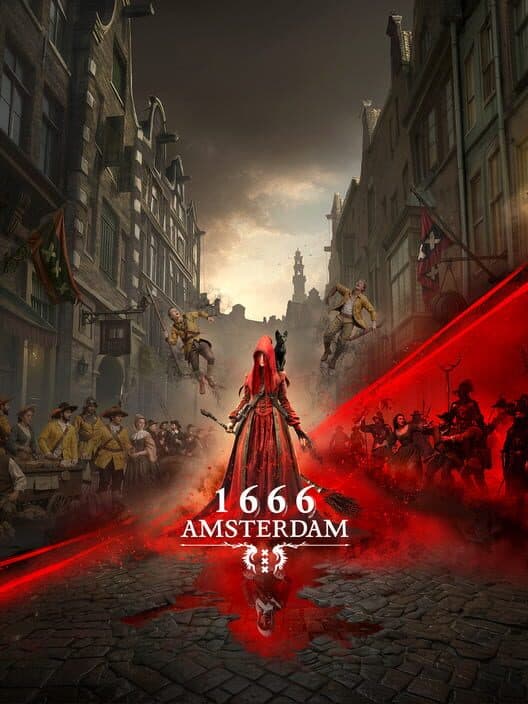
1666: Amsterdam cover art

1666: Amsterdam

Panache Digital Games • 2026 • PC (Microsoft Windows)

Perfect for a weekendStory-driven

Is 1666: Amsterdam Worth It?

Yes, if atmosphere and mystery matter more to you than polish. 1666: Amsterdam already delivers a memorable setup: stalking demonic suspects through smoky canals, piecing together clues by day, then cashing that work in during darker nighttime confrontations. The Noa and Aaron partnership gives exploration a nice twist, and the setting is easily the game’s best hook. The catch is that this is still very much an Early Access experience. Combat often feels stiff, performance can wobble, and the autosave-only system is a real annoyance if your playtime is limited. Buy at full price if you love strange historical mood, can forgive jank, and enjoy supporting promising works in progress. Wait for a sale or more patches if you want smoother action, better optimization, or stronger onboarding. Skip it for now if rough controls, technical issues, or mature occult content are likely dealbreakers. There is real promise here, but right now you are buying potential plus atmosphere, not a polished sure thing.

Opinions of 1666: Amsterdam

What Players Love

  • Players Love

    Amsterdam’s dark atmosphere carries the game through rough moments

    Players consistently praise the smoky canals, occult visuals, and strong sense of place. Even critical reviews often say the setting alone kept them curious.

  • Players Love

    Noa and Aaron together make investigation feel fresh

    Switching between Noa and her cat companion gives exploration and infiltration a memorable twist. Many players cite this duo as the clearest sign of the game’s potential.

Common Concerns

  • Common Concern

    Combat feels clunky and too shallow for its ambition

    A common complaint is that fights lack impact and lean too hard on dodging. Rough lock-on, camera friction, and limited options make repeated battles wear thin.

  • Common Concern

    Performance and polish issues often break the spell

    Stutter, crashes, uneven frame rate, and general roughness are widely reported. For many players, the technical instability is the main reason to wait for updates.

  • Common Concern

    Autosave-only progress handling can waste a good session

    A smaller but real complaint centers on uneven save points. Losing ten minutes after a death or a poorly timed quit hits harder in a story-heavy game.

Divisive Aspects

  • Divisive

    Unusual controls and light tutorials split players early on

    Some enjoy learning its strange rhythm, while others bounce off the camera, cat movement, and sparse explanations. That opening friction can color the whole experience.

What does 1666: Amsterdam demand from you?

Time

LOW

Time

The current release is a 10 to 15 hour chapter with decent stopping points, but autosaves and clue-heavy returns make breaks less smooth.

LOW

Right now, the current chapter asks for a medium commitment rather than a season-long obsession. Most people looking for the full shape of the current release will reach that point in about 10 to 15 hours, with a little extra time if they search every corner and read everything. That makes it manageable across a couple of weeks, not months. The good news is that the structure helps. Investigations, safehouses, and night confrontations create natural places to stop, and full pause means real-life interruptions are usually fine. The less good news is that the autosave system adds friction. You cannot freely lock in progress whenever you want, so ending a session carelessly can cost you recent work. Returning after a week away also takes a few minutes, because you may need to remember which suspect you were chasing and what clues still matter. This is a solo game with no social obligations, no team schedule, and no ladder to maintain. It fits a normal week reasonably well, as long as you respect the autosave rhythm.

Tips
  • Plan sessions around one investigation step or one night showdown, then stop at a safehouse or clear autosave instead of gambling progress.
  • Keep a phone note with suspect names, open leads, and current resources; returning after a week becomes much smoother.
  • This is best in 60 to 90 minute blocks, long enough to make progress but short enough that the rough edges do not overstay.

Focus

MODERATE

Focus

You’ll spend most sessions tracking clues, watching suspicion, and reading spaces carefully, with enough dodging and route planning that distracted play rarely works.

MODERATE

Most sessions ask for steady, active attention, but not absolute tunnel vision. You’re usually tracking several light threads at once: where a suspect was last seen, which rooms you already searched, whether using magic in public is worth the risk, and when to switch from Noa to Aaron for a cleaner route. That layered thinking is the real workload. The combat itself is simpler than the mystery side, but it still wants real-time dodges, camera control, and potion use, so the game never becomes something you can half-watch while folding laundry. In return, that attention pays off in strong detective momentum. A clue found in daylight can make a whole district click, and a clever cat-led shortcut can make you feel sharper than the systems really are. The rough onboarding raises the first few hours, because you’re learning around the game’s awkward edges as much as through its actual design. Once it settles, the experience feels more like careful tracking than raw button pressure.

Tips
  • Use the pause screen and codex after each clue burst so you do not carry too many half-remembered details into the next district.
  • Scout with Aaron before forcing an entry; seeing rooftops, windows, and guard paths first lowers both confusion and wasted combat.
  • Treat night objectives as separate missions and restock potions before triggering them, because they demand cleaner attention than daytime wandering.

Challenge

MODERATE

Challenge

It’s more awkward to learn than brutally hard: manageable systems, uneven teaching, and some clumsy controls slow the path to feeling comfortable.

MODERATE

This is medium difficulty, but the learning process is bumpier than the enemy design alone would suggest. The main hurdle is getting comfortable with its rhythm: investigate during the day, manage suspicion, understand what Aaron can do, and recognize when you have enough preparation to survive the night. None of that is wildly deep on paper. What slows you down is that the game explains itself unevenly and asks you to absorb a few unusual controls and camera habits before things start feeling natural. The good news is that it does not demand perfect execution every second, and it is nowhere near a punishing action game built around flawless reactions. The bad news is that mistakes can waste time because saves are not fully in your hands, and deaths can reset momentum in annoying ways. The game asks for patience up front and delivers a satisfying sense of “I finally get how this works” once its day-night loop clicks.

Tips
  • Spend your first few hours learning movement, switching, and suspicion rules instead of rushing story progress; comfort matters more than speed here.
  • When combat feels sloppy, focus on dodge timing and spacing first; the game rewards surviving cleanly more than flashy aggression.
  • Replay early routes with Quick Start if needed, because repeated low-stakes practice helps the controls click faster than pushing deeper.

Intensity

MODERATE

Intensity

The game feels grim and tense more than overwhelming, with stress spiking during night hunts and rough fights instead of pounding you nonstop.

MODERATE

The mood is dark, uneasy, and occasionally sharp, but it is not nonstop panic. Long stretches are about walking smoky streets, reading notes, and quietly narrowing down a suspect. The pressure rises when suspicion starts climbing, when night falls, or when an Esbat fight begins and the game asks you to dodge cleanly while managing space and supplies. That creates a nice horror-adjacent push and pull: calm setup by day, anxious payoff by night. The catch is that some stress comes from the build’s roughness rather than from clean dramatic design. A messy camera, weak lock-on, or uneven save timing can make failure feel more irritating than thrilling. If you like spooky historical mood with bursts of action, that trade can still work well. If you want smooth, confident combat or pure cozy exploration, this may feel harsher than its mystery framing suggests. It is tense in pockets, grim in tone, and only occasionally heart-racing.

Tips
  • Do your clue gathering before you feel tired, then decide whether you actually want one more night fight before starting it.
  • Keep a small stock of healing and escape tools for Esbat sequences; entering underprepared turns manageable tension into avoidable frustration.
  • If the camera starts fighting you, take a short break instead of forcing progress through irritation.

Frequently Asked Questions

1666: Amsterdam is medium difficulty, and most of the challenge comes from roughness rather than brutal design. It is not a Souls-like and it is not built around frame-perfect mastery. Most enemies and fights look readable, and the core actions are straightforward: dodge, manage space, use supplies, and survive the night. What makes it harder than a smooth story adventure is the uneven teaching. The controls, camera, switching between Noa and Aaron, and clue flow can all feel strange at first, so the opening hours are tougher than the systems really deserve. Hard to learn and hard to master are different here. Learning the rhythm may take several sessions, but once it clicks, the game seems closer to something like God of War on a normal setting than to Elden Ring. Players who hate awkward onboarding or unreliable lock-on will find it harder than the raw mechanics suggest. Players who enjoy experimenting and can tolerate a few messy losses will probably find it demanding but manageable.

Right now, 1666: Amsterdam is roughly a 10 to 15 hour game for most people, because the current release is an Early Access first chapter rather than a full final campaign. If you move carefully, read notes, explore side spaces, and retry a few rough fights, expect more like 15 to 18 hours. That makes it a medium commitment, not a months-long project. The game fits best in 60 to 90 minute sessions. That is enough time to investigate a district, chase a few clues, and possibly finish an Esbat showdown without feeling rushed. The main warning is the save system. Because saving is autosave-only, you do not always have full control over the safest quitting point, so it helps to stop after a safehouse visit or a clear objective. Replay value exists through alternate routes, randomized coffer abilities, and Quick Start, but the current package is still one story slice. You can see what it offers without giving it your whole season.

1666: Amsterdam is moderately stressful, with tension that comes in waves rather than hitting nonstop. Most daytime play feels moody and watchful: you are exploring, talking to people, reading clues, and deciding how much risk to take in public. That is more uneasy than panicky. The sharper stress arrives at night, when suspicion can boil over into combat and the game asks you to dodge well, manage supplies, and keep control of the camera in darker, more hostile spaces. That can be exciting in a good way, especially when a long investigation pays off in a strong confrontation. The less fun stress comes from the game’s rougher side. Uneven performance, awkward controls, and autosave timing can make failure feel more annoying than dramatic. So this is not cozy, but it is also not the kind of horror game that leaves your pulse high for hours. It works best when you have enough energy to pay attention and enough patience to absorb a little friction.

Yes. It is fully soloable because it is designed as a single-player-only game, and it can fit casual play with a few caveats. There is no co-op, no PvP, no party scheduling, and no pressure to keep up with friends. You explore, follow clues, switch between Noa and Aaron, and decide when you are ready for the next nighttime confrontation entirely on your own pace. That makes it easy to step away without social guilt. The caveat is that solo-friendly does not mean friction-free. Because progress depends on autosaves, your stopping point is not always as flexible as it would be in a save-anywhere story game. Returning after a longer break can also take a few minutes while you remember your suspect, clue chain, and supplies. So if by casual you mean short, independent sessions with no outside obligations, yes. If you mean effortless drop-in comfort play, only partly. It asks for some memory and a little patience.

No. 1666: Amsterdam is a straight one-time purchase right now, and there is no sign of pay-to-win design in the current build. The store listing points to a normal Early Access setup: you buy the game once, get the current chapter, and receive future updates during the Early Access period. There are no boosters, power packs, paid equipment advantages, energy timers, or competitive systems where spending money gives you a gameplay edge. That matters here because the game already has enough friction through combat roughness, performance issues, and autosave limits. None of that appears to be monetized away. The separate soundtrack listing is the only extra add-on mentioned, and that does not affect play. As always with Early Access, pricing and future DLC plans can change over time, but based on the product on sale today, your success depends on how well you learn the systems and how much patience you have for the rough edges, not on opening your wallet again after purchase.

You Might Also Like

Games with a similar rhythm and feel, even if they look different

Explore more→
Dreadmoor game cover art

Dreadmoor

Time
MODERATE
Focus
MODERATE
Challenge
MODERATE
Intensity
MODERATE
Stranger Than Heaven game cover art
Story-driven

Stranger Than Heaven

Time
MODERATE
Focus
MODERATE
Challenge
MODERATE
Intensity
MODERATE
Magicians: The Devil's Deal game cover art
Perfect for a weekendStory-driven

Magicians: The Devil's Deal

Time
MODERATE
Focus
HIGH
Challenge
MODERATE
Intensity
MODERATE
Exodus game cover art
Perfect for a weekendStory-driven

Exodus

Time
MODERATE
Focus
MODERATE
Challenge
MODERATE
Intensity
MODERATE
Ill game cover art
Perfect for a weekend

Ill

Time
MODERATE
Focus
HIGH
Challenge
MODERATE
Intensity
HIGH
Kingdom Come: Deliverance II game cover art
Story-driven

Kingdom Come: Deliverance II

Time
HIGH
Focus
HIGH
Challenge
MODERATE
Intensity
MODERATE
← Back to Home