hello@slated.gg
Powered by IGDB•Privacy•Terms

© 2026 Slated.gg

Slated.gg
Popular GamesAboutDiscover Games
Impermanence

Duckosaurus Games • 2027 • PC (Microsoft Windows)
Easy to jump intoEmotionally heavyTense
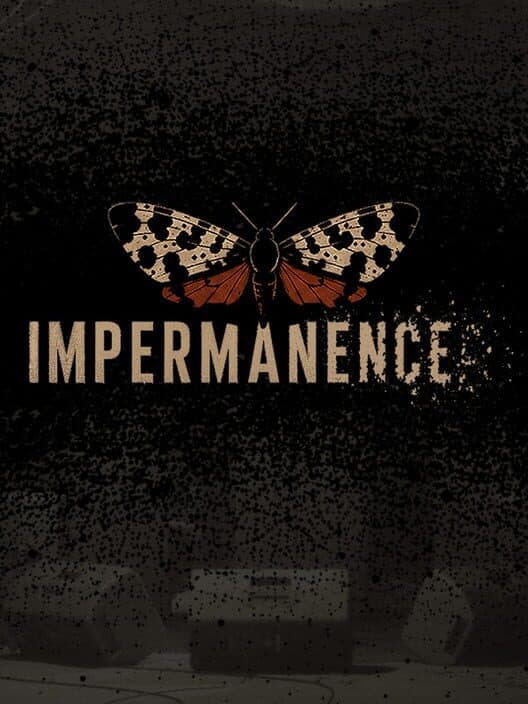
Impermanence cover art

Impermanence

Duckosaurus Games • 2027 • PC (Microsoft Windows)

Easy to jump intoEmotionally heavyTense

Is Impermanence Worth It?

Right now, Impermanence looks worth wishlisting, not blind-buying. Official sources in the research set still frame it as a 2027 release, so the real question is whether it should stay on your radar. It looks most promising for people who want intimate psychological horror, slow exploration, and a story about grief that may hit hard. The big draw is easy to see: a ruined theatre, sound-driven interactions, and a small, focused journey where your choices may shape the ending. It does not look like a good fit for action seekers or anyone wanting comfort play after a long day. Mechanically, it seems approachable. Emotionally, it looks heavy, and it will probably work best when you can give it full attention and decent headphones. If launch reviews say the puzzle flow stays strong and the ending lands, story-first horror fans could justify full price. If you like the premise but need proof that the moment-to-moment play holds up, wait for reviews or a sale. Skip it if you dislike grief-focused stories, subtle horror, or games that trade combat for mood and interpretation.

What is Impermanence like?

Opinions of Impermanence

What Players Love

  • Players Love

    The theatre setting and grief premise instantly stand out

    Early reactions keep circling back to the hook itself: a condemned theatre, a father’s obsession, and a voice from beyond create instant curiosity.

  • Players Love

    The no-combat horror pitch feels fresh and appealing

    People interested in psychological horror like that the fear seems built from memory, sound, and loss instead of weapons, monster fights, or gore-heavy shock.

Common Concerns

  • Common Concern

    Players still want clearer proof of the moment-to-moment loop

    The premise is strong, but many still want to see what a full session actually feels like. Questions focus on puzzle flow, interaction variety, and pacing.

  • Common Concern

    Early interest is tempered by unfinished build caution

    Developer openness about the project’s early state helps trust, but it also keeps excitement careful. Many viewers want hands-on previews before committing.

What does Impermanence demand from you?

Time

LOW

Time

This looks built for 45 to 90 minute solo sessions with pause support, though clue-driven progress may take a few minutes to rebuild after time away.

LOW

Impermanence seems built for a manageable solo schedule. A session of 45 to 90 minutes should be enough to explore a few rooms, test an idea, and reach a clean stopping point after a reveal or state change. Full pause support is a big plus when life interrupts, and the overall structure looks contained rather than endless. The main caveat is the autosave setup. If you like quitting exactly where you choose, it may feel less flexible than a true save-anywhere game. It also looks like the kind of story where returning after a week away may require a short refresher: what clue were you chasing, what did that object placement mean, and why did that last room change matter? The bigger ask is emotional, not total hours. One run to an ending appears to be the real payoff, with extra endings acting as optional bonus runs. That makes it potentially appealing if you want a complete, memorable arc instead of a long-term hobby.

Tips
  • Best stopping points are after a clear room change, major clue, or likely autosave beat, not halfway through an experiment.
  • Expect one main run to be the core experience; chase extra endings only if the story really grabs you.
  • After a longer break, spend five minutes rechecking your shrine and latest clues before pushing deeper.

Focus

MODERATE

Focus

You won’t need fast reactions, but you will need quiet attention to rooms, sounds, and clue meaning or the mystery loses much of its power.

MODERATE

Impermanence looks like the kind of game that wants quiet, undivided attention rather than fast hands. Most of your effort will probably go into reading spaces, listening for subtle audio changes, remembering what an object might mean, and deciding what to test next. The theatre itself seems to be part of the puzzle, so wandering is not empty downtime. It is how you notice the details that move the story forward. That makes it a good fit for nights when you want to lean in, wear headphones, and let the mood work on you. The good news is that it does not appear mechanically busy. You likely will not juggle enemies, weapon systems, or demanding timing. The trade is that distraction will hurt the experience more than failure will. If you check your phone every few minutes or play with lots of background noise, you may miss both clues and atmosphere. Give it your attention, and it should pay you back with a steady drip of unease, discovery, and meaning.

Tips
  • Use headphones if you can; subtle sound shifts look central to both clue reading and the game’s dread.
  • Keep a quick note or screenshot when you stop so shrine choices and clue threads are easier to remember later.
  • Play when you can give it full attention, not while half-watching TV or juggling other tasks.

Challenge

LOW

Challenge

Getting started should be simple, but reading the game’s clues and hidden logic may take patience if the sound and placement systems stay mysterious.

LOW

Getting into Impermanence should be fairly doable for most players. The expected actions seem simple: explore, inspect, place objects, experiment with sound or light, and follow the theatre’s reactions. That means the first hurdle is unlikely to be complicated controls. The harder part will probably be interpretation. You may know what the game is about long before you know exactly what it wants from you in the next room. That kind of friction can feel smart and satisfying when the clues are clear enough, or frustrating when the signals are too vague. Based on what is shown so far, it looks closer to a moody mystery with regular problem-solving than a brutal horror test. It also seems more forgiving than combat-heavy games because mistakes are likely to cost a little time, not a huge reset. If the final build explains just enough and lets you learn by trying things, it could hit a nice middle ground: easy to start, thoughtful to finish.

Tips
  • Test one change at a time with sound, light, or object placement so you can tell what actually caused a reaction.
  • If you feel stuck, revisit recently changed rooms first; narrative horror games often place answers near the latest shift.
  • Treat wrong guesses as scouting, not failure; this looks built around experimentation more than perfect execution.

Intensity

MODERATE

Intensity

The strain seems to come from dread, grief, and unease rather than punishment, making it emotionally heavy even if the mechanics stay fairly gentle.

MODERATE

The strain here looks emotional first and mechanical second. Impermanence does not seem built as a punishing gauntlet, but it does look heavy. The horror appears to come from grief, obsession, distorted memory, and the feeling that the theatre is pushing back against what you are trying to do. That is a different kind of stress than a chase-heavy survival game. Instead of constant panic spikes, expect a slow knot in your stomach, with occasional moments that hit harder when a room changes, a sound answers back, or a story beat lands. For some people, that is the good kind of stress: eerie, immersive, and memorable. For others, especially if stories about child loss and sorrow are hard subjects, it may feel draining even when the gameplay itself is gentle. Failure probably will not sting much, but the mood might. This looks best for evenings when you want something haunting and can sit with it afterward, not as a sleepy comfort game before bed.

Tips
  • If grief-heavy stories hit hard for you, avoid late-night sessions and pair this with something lighter afterward.
  • When the theatre starts feeling oppressive, slow down and check spaces carefully instead of rushing the next reveal.
  • Take breaks after major story beats; this seems like a game that may linger emotionally more than mechanically.

Frequently Asked Questions

Impermanence looks more easy-to-medium than hard, at least mechanically. Based on the current footage and store information, the challenge seems closer to a moody mystery than a survival horror gauntlet. You probably will not be dealing with demanding combat, fast aiming, or long strings of punishing deaths. The tricky part is likely to be interpretation. Figuring out what a room change means, which object belongs where, or how a sound-based interaction is supposed to work may create the real friction. In that sense, it may feel more demanding than a pure walking sim like Gone Home, but far less intense than something like Resident Evil or a combat-heavy horror game. The learning curve also looks gentle at first because the core actions seem simple and limited. The unknown is whether later sections introduce more layered systems or vaguer clue chains. So if you dislike unclear puzzle logic, it could feel harder than the low-action setup suggests. If you mostly struggle with reflex games, though, this appears much friendlier.

A reasonable estimate right now is about 6 to 9 hours for one ending, with 8 to 12 hours if you explore more carefully and spend time testing choices. That is still a projection, not a confirmed runtime, because official sources in the research set describe the game as unreleased and do not list a final length. For most people, this looks like a few nights or one focused weekend rather than a month-long commitment. Sessions should fit well into 45 to 90 minute blocks, since the game seems built around exploration, clue discovery, and room-state changes that create natural stopping points. The main catch is the save setup. Autosave-only usually means you can stop often enough, but not always at the exact second you want. If you chase multiple endings, replay time could stretch into the low teens, though that feels optional rather than required. One complete run appears to be the real finish line for most players.

Yes, it looks fairly stressful, but more in a slow, emotional way than a frantic one. Impermanence does not seem built around constant jump scares, chase sequences, or punishing combat. Instead, the stress appears to come from grief, dread, hostile atmosphere, and the feeling that the theatre is reacting to what you are doing. That kind of pressure can be the good kind of stress if you like horror that gets under your skin and stays there. It can also be the bad kind if stories about death, obsession, and child loss hit especially hard for you. In other words, this probably will not exhaust your hands, but it may absolutely weigh on your mood. If you enjoy psychological horror and want something haunting, that is a plus. If you want a relaxing evening game, it is probably the wrong choice. Best time to play is when you are alert, wearing headphones, and not already emotionally drained. Worst time is late at night when you wanted something cozy.

Yes, and it appears designed specifically for solo play. There are no signs of co-op systems, online obligations, party roles, or group scheduling. In fact, the whole appeal seems to depend on being alone with the theatre, the sound design, and the story’s grief-heavy tone. If you mean ‘Can I enjoy it without other people,’ the answer looks like a clear yes. If you mean ‘Can I fit it into casual solo sessions,’ that also seems mostly yes. Full pause support should help when life interrupts, and one run appears short enough to finish over a few nights. The only caution is mental re-entry. After several days away, you may need a few minutes to remember your latest clue, what changed in the environment, or why a certain object placement mattered. So this is very solo-friendly and probably schedule-friendly too, but not ideal as half-attentive background play. It seems best when you can sit down, focus, and let the atmosphere work.

No. Everything official points to a standard one-time purchase with a single-player structure, no cash shop, no battle pass, no premium currency, and no paid power shortcuts. Pay-to-win also makes even less sense here than in a competitive game because Impermanence is not built around beating other players or keeping up with a live-service economy. The bigger questions are not monetization but execution: how long the game is, how smooth the autosave system feels, and whether the sound-and-shrine mechanics stay interesting across a full run. One caution is that the latest official sources in the research set still listed the game as heading toward a 2027 release, so this is based on current store information rather than a final launch audit. Unless the business model changes before release, there is no sign of pay-to-win, paid progression pressure, or locked convenience features. This looks like a straightforward buy-once experience.

You Might Also Like

Games with a similar rhythm and feel, even if they look different
Explore more→
Soma game cover art
Easy to jump intoTense

Soma

Time
LOW
Focus
MODERATE
Challenge
LOW
Intensity
MODERATE
Amnesia: Rebirth game cover art
Easy to jump intoEmotionally heavy

Amnesia: Rebirth

Time
MODERATE
Focus
MODERATE
Challenge
LOW
Intensity
MODERATE
Dark Mass game cover art
Emotionally heavyTense

Dark Mass

Time
LOW
Focus
MODERATE
Challenge
LOW
Intensity
HIGH
Trainwatch game cover art
Story-driven

Trainwatch

Time
LOW
Focus
MODERATE
Challenge
MODERATE
Intensity
MODERATE
Lost in Art game cover art

Lost in Art

Time
LOW
Focus
MODERATE
Challenge
MODERATE
Intensity
MODERATE
Silent Hill 2 game cover art
Easy to jump intoEmotionally heavy

Silent Hill 2

Time
MODERATE
Focus
MODERATE
Challenge
LOW
Intensity
HIGH
← Back to Home