hello@slated.gg
Powered by IGDB•Privacy•Terms

© 2026 Slated.gg

Slated.gg
Popular GamesAboutDiscover Games
Toem 2

Something We Made • 2026 • PC (Microsoft Windows), PlayStation 5, Nintendo Switch
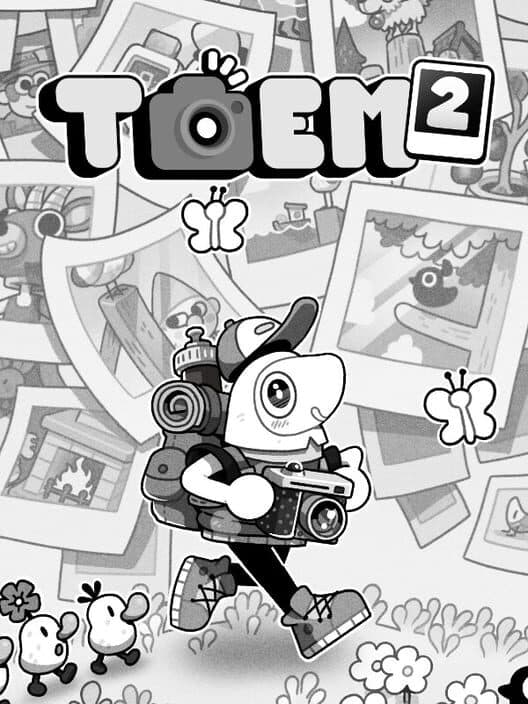
Easy to pick back upQuick sessionsSatisfying to complete
Toem 2 cover art

Toem 2

Something We Made • 2026 • PC (Microsoft Windows), PlayStation 5, Nintendo Switch

Easy to pick back upQuick sessionsSatisfying to complete

Is Toem 2 Worth It?

Probably yes, if you want a short, low-stress game about exploring, noticing tiny details, and solving gentle photo-based puzzles. The biggest caveat is that this verdict is based on demo and preview evidence, not a fully launched version. If the final game keeps the demo's charm and smooths out the rough edges, TOEM 2 looks easy to recommend. What makes it stand out is the way it turns small observations into progress. Instead of combat or big drama, you get compact bursts of satisfaction: find the odd thing, take the right photo, help someone, earn a stamp, move on. It asks for steady visual attention and a little clue-reading, but not much hand skill, stress tolerance, or schedule commitment. Buy at full price if you already love games like TOEM, Alba, or A Short Hike and want a polished weekend-sized unwind. Wait for a sale if you only dabble in light puzzle adventures or want proof the launch build fixed demo bugs. Skip if you need combat, deep systems, or strong story drama.

What is Toem 2 like?

Opinions of Toem 2

What Players Love

  • Players Love

    Charming art, music, and cozy mood land immediately

    Players consistently praise the grayscale look, warm soundtrack, and gentle humor. Even the demo feels like a comforting place to wander and poke around.

  • Players Love

    Taking photos and noticing details feels genuinely rewarding

    The big hook is turning small observations into progress. Spot a critter, frame the right object, help someone, and the game pays you back almost right away.

Common Concerns

  • Common Concern

    Camera controls and menus still need some polish

    Most criticism targets handling, not the concept. Players mention awkward button layouts, camera rotation preferences, and journal flow that can interrupt the easy rhythm.

  • Common Concern

    Demo bugs and save issues were hard to ignore

    Pre-release feedback mentions black screens, save oddities, and settings hiccups. Several problems were patched, but launch stability still feels like an open question.

  • Common Concern

    A few clues can be more opaque than expected

    Most requests seem readable, but a smaller group of players got stuck when clue wording felt vague. It usually causes a short stall rather than total frustration.

What does Toem 2 demand from you?

Time

LOW

Time

Built for short solo sessions, easy pausing, and natural stopping points, with enough structure that coming back later should feel simple rather than like homework.

LOW

For a busy schedule, TOEM 2 looks unusually accommodating. It appears designed around compact regions, small requests, and stamp turn-ins that naturally break the adventure into tidy chunks. That means a 30- to 90-minute session should still feel productive. Full pause and save-anywhere support also matter a lot here. If you need to stop suddenly, the likely cost is just remembering what clue you were chasing, not replaying a long stretch. Because it is solo-only, there are no group obligations, no missed events, and no pressure to keep up with a community. The main caveat is that this is still a prerelease projection. The best current guess is a short multi-session journey rather than a huge sinkhole, probably something you can finish over a few evenings or a relaxed weekend if the final scale matches the demo's promise. In exchange for a modest time ask, it seems set to deliver a complete, satisfying trip instead of an endless checklist.

Tips
  • Think in 30- to 90-minute outings: one region sweep, a few requests, then a clean stop after turning in stamps.
  • Before quitting, leave yourself on an obvious next step so returning after a week feels like picking up a bookmark.
  • Save after finishing a clue chain or unlocking a region; those moments should make the next session much easier to resume.

Focus

LOW

Focus

You quietly scan scenes, read hints, and line up photos; it is gentle on reflexes but works best when your eyes are fully on it.

LOW

TOEM 2 looks light on hand skill but not truly brain-off. Most of the game seems to be about reading a request, scanning the environment, noticing a strange prop or animal, and figuring out whether a photo, a different angle, or a tool solves the problem. That means it asks for steady visual attention and a little deduction. It does not ask for speed, strict timing, or constant high-stakes choices. The cozy tone can make it seem like a background game, but the actual play loop is built on noticing tiny details, so half-paying attention will probably slow you down more than you expect. In return, the game seems to deliver frequent little bursts of satisfaction. You spot the odd thing, snap the right picture, help someone, and get a quick payoff. For many players, that will feel like light detective work wrapped in a soft, friendly walk rather than a demanding puzzle gauntlet.

Tips
  • Read the exact request text twice before searching; the wording itself often seems to hide the intended object, angle, or nearby area.
  • Play on the biggest screen you can manage when possible; tiny visual details appear central to both puzzle solving and the game's charm.
  • If free wandering turns aimless, pick one open request and let it guide your route through the region.

Challenge

LOW

Challenge

You can learn the basics fast, then spend the rest of the journey getting better at reading clues, using tools, and thinking like the game.

LOW

TOEM 2 does not look hard to learn in the usual sense. You will probably understand movement, camera use, and journal tracking within the first hour or two. The challenge is softer than that. It asks you to absorb the game's logic: how it phrases clues, what kinds of details matter, when a strange prop is just decoration, and when it is actually the answer. That means the learning curve is more about mindset than mechanical skill. The good news is that the cost of failure seems tiny. If one request refuses to click, you can likely wander off, solve something else, and come back later with fresh eyes. That makes the game welcoming even when it is being a little indirect. In return for a small amount of early adaptation, it seems to offer a steady run of satisfying 'oh, of course' moments. You are not training for mastery so much as learning how to see the world the way the game wants you to.

Tips
  • Spend the opening hour testing camera tools on anything suspicious; that experimentation will likely teach the game's logic faster than tutorials alone.
  • Treat easy early quests as lessons, not filler; they seem designed to teach how later clues want you to think.
  • If a solution feels impossible, change your angle, zoom, or location before assuming you missed a hidden mechanic.

Intensity

VERY LOW

Intensity

This is a calm unwind game with almost no pressure, and its only real spikes come from the occasional stubborn clue.

VERY LOW

This looks like a very gentle game emotionally. The main mood is curiosity, warmth, and small amusement, not panic, dread, or high-stakes struggle. There is no visible combat, no timer pressure, and no sense that the game wants to punish you for being slow or making mistakes. That makes it a strong candidate for nights when you want progress without stress. The only real friction seems likely to come from brief stalls: a clue that feels more vague than expected, a photo target you somehow keep missing, or control quirks that make the camera less comfortable than it should be. Even then, the likely feeling is mild annoyance, not real tension. In exchange for that low-pressure approach, the game offers a cozy rhythm of observation, solution, reward, and movement to the next small mystery. It seems built to leave you pleasantly curious and satisfied rather than drained, rattled, or emotionally wrung out.

Tips
  • When a clue stops being fun, walk away and solve something else first; the low-stakes structure seems built for detours.
  • Adjust camera controls early if the full game allows it; small comfort fixes may remove most of the friction players mention.
  • End a session right after a stamp or completed request so you carry the cozy satisfaction forward instead of a lingering stall.

Frequently Asked Questions

TOEM 2 does not look hard in the usual sense. Based on the demo and preview coverage, it seems much closer to Alba, A Short Hike, or the first TOEM than to The Witness or any demanding action game. The challenge comes from observation: reading a clue carefully, spotting a hidden object, or realizing the right angle or tool for a photo. It does not seem built around fast hands, punishing failure, or long stretches of repetition after mistakes. It may take 30 to 90 minutes to feel comfortable with moving, camera controls, and the journal, but basic play should click quickly. The harder part is learning how the game thinks. A few requests may be more indirect than expected, and that can briefly stall progress. Still, the cost of being wrong looks tiny, and you can usually leave a task and come back later. If you enjoy gentle puzzle adventures, this should feel approachable. If you want tough brain-burners or demanding platforming, it may feel almost too soft.

Because TOEM 2 was still unreleased when this analysis was built, any length estimate is a projection, not a confirmed finish time. The safest guess is around 6 to 10 hours for the main trip and roughly 8 to 12 hours if you spend time on extra requests, critter photos, and light cleanup. I would not expect a massive 20-plus-hour game from the current evidence. It also looks easy to fit into real life. The structure seems built around compact regions, small quests, and stamp turn-ins, so 30- to 90-minute sessions should feel productive. Full pause and save-anywhere support make stopping easy, and each solved request acts like a natural break point. If you mainline objectives, you'll probably finish it over a few evenings or one relaxed weekend. If you like wandering and taking in every little detail, the same game could stretch comfortably across a couple of weeks.

TOEM 2 looks very low-stress. The main feeling seems to be calm curiosity, gentle humor, and small 'aha' moments when a clue clicks. There is no sign of combat, chase scenes, timers, or heavy punishment, so it should be closer to a cozy evening walk than a white-knuckle challenge. The good kind of pressure here is tiny and local. You might stare at a request for a few minutes, wonder what detail you're missing, then feel smart when the answer reveals itself. That is very different from panic or frustration caused by losing lots of progress. The more annoying kind of stress, if it shows up, will likely come from two places: clue wording that is a little too vague, or camera and menu controls that feel awkward before launch polish settles in. This looks like a great game for winding down after work, especially if you still want a sense of progress. It is probably a bad fit only if even mild puzzle stalls break your mood or if you want something loud and exciting.

Yes. TOEM 2 is designed as a solo game, and that makes it especially easy to play casually. There are no party requirements, no matchmaking waits, and no pressure to keep up with friends. You can wander at your own pace, solve one request, save, and leave without feeling like you let anyone down. Just as important, the structure appears friendly to short sessions. Requests are small, region goals are clear, and stamp progress gives you natural places to stop. Full pause and save-anywhere support mean real-life interruptions should be easy to handle. The only mild catch is that coming back after a week may require a quick journal check to remember which photo clue you were working on. That is a small tax, not a major barrier. So yes, this looks very casual-friendly as long as you like the core activity of observing scenes and solving gentle clues. If you want something you can half-ignore while doing something else, it may ask for more eyes-on attention than its cozy tone suggests.

No. Everything currently points to a standard one-time purchase with no pay-to-win systems at all. Store pages describe TOEM 2 as a normal premium release, and the only separate public item surfaced in the research is a free demo. There is no sign of paid power, battle passes, energy timers, booster packs, or anything else that would let you spend money to skip difficulty or gain an advantage. That said, this answer carries the same prerelease caveat as the rest of the profile. The game was still unreleased when the research was gathered, so we are relying on official store information rather than a live post-launch economy. Still, TOEM 2 would be a strange fit for monetized advantage even in theory. It is a quiet solo adventure about photographing, exploring, and helping townsfolk, not a competitive grind or loot race. Unless the launch version introduces something completely out of character, you can treat this as a straightforward buy-once game.

You Might Also Like

Games with a similar rhythm and feel, even if they look different
Explore more→
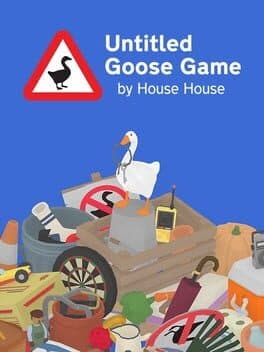
Untitled Goose Game game cover art
Satisfying to completeRelaxing & low-pressure

Untitled Goose Game

Time
VERY LOW
Focus
LOW
Challenge
VERY LOW
Intensity
VERY LOW
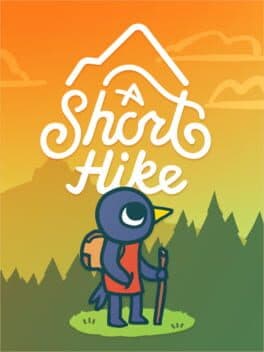
A Short Hike game cover art
Satisfying to completeEasy to pick back up

A Short Hike

Time
VERY LOW
Focus
VERY LOW
Challenge
VERY LOW
Intensity
VERY LOW
Thank Goodness You're Here! game cover art
Satisfying to completeRelaxing & low-pressure

Thank Goodness You're Here!

Time
VERY LOW
Focus
LOW
Challenge
VERY LOW
Intensity
VERY LOW
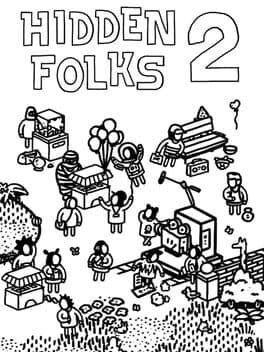
Hidden Folks 2 game cover art
Easy to pick back upRelaxing & low-pressure

Hidden Folks 2

Time
VERY LOW
Focus
LOW
Challenge
VERY LOW
Intensity
VERY LOW
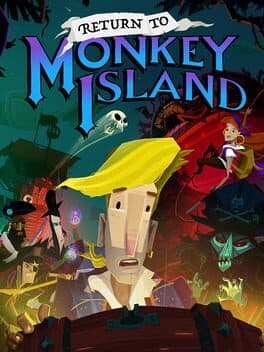
Return to Monkey Island game cover art
Quick sessionsSatisfying to complete

Return to Monkey Island

Time
LOW
Focus
LOW
Challenge
LOW
Intensity
VERY LOW
Pikmin 4 game cover art
Satisfying to completeRelaxing & low-pressure

Pikmin 4

Time
MODERATE
Focus
MODERATE
Challenge
LOW
Intensity
LOW
← Back to Home