A Short Hike

Adam Gryu2019PlayStation 4, Linux, PC (Microsoft Windows), Mac, Xbox One, Nintendo Switch
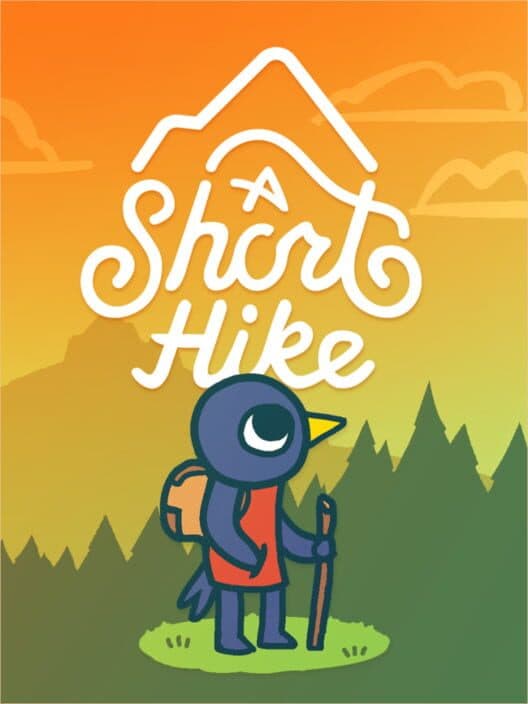
Cozy open island exploration and gliding

Finishable story in a single evening

Designed for calm, low-pressure solo play

Is A Short Hike Worth It?

A Short Hike is absolutely worth it if you want a cozy, low-commitment game you can finish in one or two relaxed sittings. It’s not about challenge or grinding; it’s about taking a tiny digital vacation on a charming mountain island. For the price and length, you get a lovingly crafted world, satisfying movement, and a small but heartfelt story that lands especially well if you’re often “on call” in real life. The game asks very little from you: no build planning, no combat, no time pressure, and almost no frustration. In return, it delivers calm exploration, frequent little discoveries, and an ending that feels quietly restorative. Buy it at full price if you value your time and like short, complete experiences. If you mainly chase massive, long-term games, it’s still worth owning as a palate cleanser, especially on sale. Skip it only if you need deep systems or high difficulty to enjoy a game.

When is A Short Hike at its best?

When you finish a long workday and only have an hour or so, but still want a complete, soothing experience instead of starting a 50-hour epic.

On a quiet weekend morning with coffee, when you’d enjoy slowly wandering a beautiful space, listening to gentle music, and maybe reaching the summit by lunchtime.

Sharing the couch with a partner or child, passing the controller back and forth as you explore, read dialogue aloud, and treat it like a short animated film you control together.

What is A Short Hike like?

In terms of time, A Short Hike is incredibly friendly. Most adults will see the summit and credits in about 2–4 hours, which can be one long sit-down or a few short nights. The structure is loose: there’s a clear destination at the top of Hawk Peak, but almost everything between the campsite and the summit happens when and how you choose. You can stop after helping one character, finishing a race, grabbing a few feathers, or simply reaching a pretty lookout. The game autosaves frequently and lets you quit anywhere, so you never feel trapped mid-mission. Coming back after a break is painless because there are no long quest logs or dense systems to remember—just “keep exploring and head upward eventually.” There’s no social obligation, no raids, no co-op schedules to coordinate. It’s the kind of game you can comfortably fit around a busy life, then set aside guilt-free once you’ve had your little mountain vacation.

Tips

  • Plan on two or three 45–90 minute sessions if you want to reach the summit without rushing and still enjoy side activities.
  • Use natural moments, like finishing a small quest or buying a feather, as cues to stop if you only have a short window.
  • If you step away for weeks, just wander a bit when you return; your goal and the controls will quickly come back to you.

This is one of the easiest games to slip into when your brain is tired. Most of the time you’re just steering Claire around the island, tapping jump to climb a bit, and holding a button to glide. You’ll glance at the screen enough to avoid running into walls and to spot feathers or characters, but nothing bad happens if you stop moving for a while. The handful of moments that need more attention—like races or slightly trickier climbs—are optional and short. Thinking mainly shows up as soft navigation: deciding which direction looks interesting, remembering a landmark or two, and occasionally planning how to use your limited feathers to reach a ledge. For a busy adult, that means you can play this while half-watching a show, chatting with someone, or winding down before bed. It asks for presence only when you want it, and happily turns into a soothing background walk when you don’t.

Tips

  • Save races and tricky jumps for times when you feel awake; on low-energy nights, just wander, collect feathers, and chat with characters.
  • If you’re multitasking, stroll along the safer lower paths and beaches where navigation is simple and interruptions are easiest to handle.
  • Use the camera to spin around slowly at viewpoints; it helps you spot new paths without needing intense concentration.

You’ll understand almost everything this game asks of you within the first half hour. Move with the stick or keys, press jump, hold to climb until feathers run out, and glide back down. That’s basically it. There are no combos, builds, or skill trees to research, and no complicated boss patterns to memorize. As a result, you won’t feel a long, satisfying arc of mechanical improvement the way you might in a deep action or strategy game. You can get a bit smoother at movement, learn faster routes, or improve your racing lines, but the experience isn’t built around that growth. For a busy adult, this is a plus or minus depending on what you want. If you’re craving a game to slowly master over months, this won’t scratch that itch. If you’re relieved by the idea of “no homework, no practice, just play,” A Short Hike fits perfectly.

Tips

  • Don’t worry about mastering movement; focus on collecting feathers, which matter far more than tight inputs for reaching new areas.
  • Treat races as playful experiments instead of serious tests; if you win, great, if not, you’ve still enjoyed the glide.
  • If you’re new to games, take a few minutes near the campsite to practice jumping and gliding before heading into steeper terrain.

Emotionally, A Short Hike is about as soft as games get. There are no enemies, no health bars, no time limits breathing down your neck. You can’t die or lose anything important, so you never feel that "oh no, I messed up" spike of panic. If you miss a jump or lose a race, you just try again immediately, often with a laugh instead of frustration. The story touches on real worries like anxiety and needing to be reachable, but it does so kindly and resolves in a reassuring, grounded way. The final climb and summit scene might give you a small lump in your throat, yet it’s more cathartic than upsetting. For a busy adult coming off a long day, this is a game you can confidently start even when you’re already drained. It won’t ratchet up your stress; if anything, it tends to bleed it off and leave you calmer than when you started.

Tips

  • Lean into the relaxing vibe; if a side activity annoys you, just walk away and explore somewhere else instead.
  • Save the final ascent for when you want a small emotional lift, not when you’re feeling rushed or distracted.
  • If you find yourself chasing perfection in races, remember they’re fully optional and don’t meaningfully change the ending.

Frequently Asked Questions