hello@slated.gg
Powered by IGDB•Privacy•Terms

© 2026 Slated.gg

Slated.gg
Popular GamesAboutDiscover Games
Hidden Folks 2

Hidden Folks • 2027 • Linux, PC (Microsoft Windows), Mac
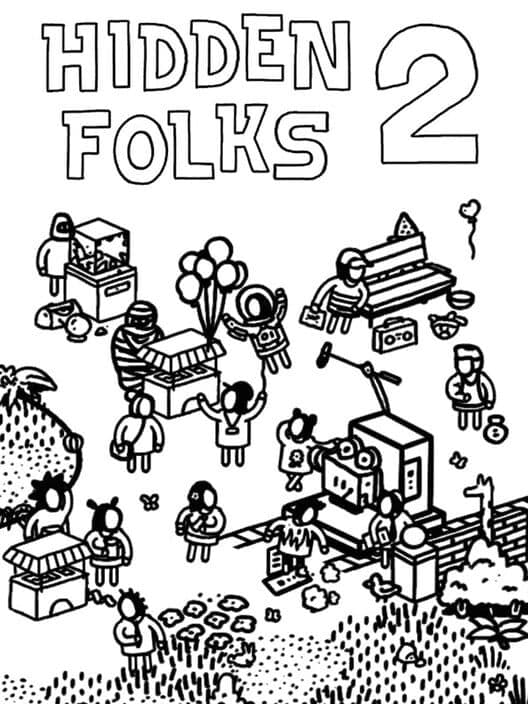
Satisfying to completeEasy to pick back upRelaxing & low-pressure
Hidden Folks 2 cover art

Hidden Folks 2

Hidden Folks • 2027 • Linux, PC (Microsoft Windows), Mac

Satisfying to completeEasy to pick back upRelaxing & low-pressure

Is Hidden Folks 2 Worth It?

Hidden Folks 2 looks worth it if you want a short, cozy search game that can fit neatly into weeknight play, but it is probably a wait-for-reviews purchase unless you already loved the first one. Its big selling point is not scope or depth. It is charm. The hand-drawn scenes, silly sounds, and tiny interactive jokes turn simple hide-and-seek into something warmer and more playful than a basic hidden-object game. It also seems unusually kind to your schedule. You can play alone, pause freely, and make visible progress in small chunks. What it asks from you is patience, attention, and a tolerance for occasional pixel-hunt friction. If you enjoy slowly combing through busy scenes and getting that little “there it is” payoff, this could be a lovely buy at full price. If you like cozy games but dislike visual clutter or vague clues, a sale or a few launch impressions would be the smarter move. Skip it if you want story, action, endless replay value, or something you can half-play while distracted.

What is Hidden Folks 2 like?

Opinions of Hidden Folks 2

What Players Love

  • Players Love

    Fans are excited the original charm seems intact

    Early reactions are strongest around the sequel keeping the hand-drawn art, mouth-made sounds, and playful search feel that made the first game memorable.

  • Players Love

    Pressure-free searching is a big part of the appeal

    The no-timer, no-score setup is landing well in early discussion. People are responding to it as a cozy unwind game rather than a stressful test.

Common Concerns

  • Common Concern

    Hands-on proof is still very limited right now

    Confidence is softer than usual because the available evidence is mostly pre-release. Buyers still lack broad player reports on scope, save behavior, and long-term staying power.

  • Common Concern

    Launch scope sounds good but still not fully locked

    Official materials present area counts and some features as planned rather than final. That leaves mild caution for players who want exact value before buying.

What does Hidden Folks 2 demand from you?

Time

VERY LOW

Time

Short, flexible, and built for solo play. It should fit neatly into small weekday sessions without asking for social scheduling or long warm-up time.

VERY LOW

This looks like a very schedule-friendly game, and that is one of its biggest strengths. It asks for a few evenings rather than a season of your life, and the area-based structure should make progress easy to measure. You can chip away at a scene for fifteen minutes, finish a few targets, and walk away feeling like the session counted. Full pause and a likely persistent auto-save setup should help even more, though the exact save details still carry some uncertainty because available information is pre-release. The bigger point is that the design itself is flexible. There are clear goals, no social obligations, and almost no re-entry tax after time away. If you return after a week, the unfinished scene and clue list should quickly remind you what you were doing. The only real time friction is that dense maps can tempt you into saying “just one more clue” longer than planned. In exchange for a modest, self-paced commitment, the game offers tidy progress, easy stopping points, and a full experience that should feel complete without a giant time sink.

Tips
  • Use area boundaries as your default stopping point, since they provide the cleanest sense of closure for a short weekday session.
  • If you only have ten minutes, chase one or two clues instead of starting a fresh area and scattering your attention.
  • Take a quick screenshot or mental note on stubborn clues before quitting, though the target list should already make returning fairly painless.

Focus

LOW

Focus

Mostly calm clue-reading and careful scanning. You will not need fast hands, but you will need your eyes, patience, and real attention on the screen.

LOW

This game asks for a narrow kind of concentration and pays that back with small, steady bursts of satisfaction. You are not juggling enemies, timers, or complex systems. Instead, you are reading a clue, scanning a dense scene, noticing tiny visual tells, and testing what might react when clicked. That makes it mentally simpler than most action or strategy games, but not effortless. The challenge is sustained observation. If you are tired, distracted, or trying to half-watch a show, your progress will likely slow to a crawl because the whole point is seeing little things other games would treat as background detail. The good news is that it is rarely overwhelming. The rules look easy to grasp, and most of the thinking is local and readable. You solve one small problem at a time. In return for that steady attention, the game delivers a pleasant rhythm of tiny discoveries, silly animations, and the very specific joy of finally spotting something that was hiding in plain sight.

Tips
  • Clear the easiest clues first so the scene feels less crowded before you start chasing the vague or interaction-based targets.
  • If a clue feels stubborn, zoom out mentally for a moment and test nearby objects instead of clicking randomly across the whole map.
  • Play in shorter sittings than you expect, because visual search fatigue will hit before the game feels mentally complicated.

Challenge

VERY LOW

Challenge

Easy to learn and gentle to fail in. The real skill is learning how the game likes to hide things and when to stop overthinking.

VERY LOW

This game should be easy to pick up and surprisingly satisfying to improve at. The basic actions are immediate. You look around, click on things, follow clues, and slowly build a feel for what kinds of objects are suspicious or interactive. That means the early minutes are welcoming even if you almost never play puzzle games. Where the game starts to deepen is not in complex rules, but in reading its habits. You begin to notice how clue wording works, what sorts of places people or objects like to hide in, and which props are most likely to trigger a reveal. That creates a nice sense of growth without demanding a long training period. It also helps that mistakes barely hurt. You are not being punished for experimenting, so trial and error feels playful instead of discouraging. In exchange for a little persistence, the game gives you the pleasure of getting sharper at something very specific. You are not mastering a huge system. You are learning the secret language of its tiny worlds.

Tips
  • When a clue seems impossible, look for wording that implies an action, because some targets are hidden behind objects you need to trigger first.
  • Notice recurring hiding logic across areas; once you spot the game's habits, later scenes should feel less random and more readable.
  • Do not force a perfect clear mentality early, because playful experimentation works better here than treating every clue like a high-stakes exam.

Intensity

VERY LOW

Intensity

Very low pressure and easy on the nerves. The main risk is eye strain or mild annoyance, not panic, punishment, or heavy emotional drain.

VERY LOW

This is the kind of game that asks for patience instead of nerve and gives back a gentle, cheerful wind-down. There is no sign of combat, time pressure, or harsh failure. Wrong guesses seem to cost you almost nothing, and even getting stuck on a clue is more likely to feel mildly irritating than truly stressful. That makes it a strong fit for nights when you want something engaging but not draining. The emotional texture should stay light throughout, helped by the silly art, playful animations, and hand-made sound effects. The only real friction point is stubbornness. A dense scene can make your eyes tired, and one vague clue might trap you in a loop of scanning the same space over and over. That is the bad kind of stress this game is most likely to create. Even then, it looks built to soften the blow with extra clue support and a forgiving structure. In exchange for a little patience, you get cozy amusement, tiny surprises, and low-stakes satisfaction rather than high drama.

Tips
  • Use the extra clue help early when frustration starts building, because this is a better game when you stay amused instead of forcing a bad clue.
  • Treat eye fatigue as your stop signal; the game stays fun longer when you leave a scene before it turns into visual sludge.
  • Save the hardest targets for a fresh session, since rested eyes often solve the exact clue that felt impossible the night before.

Frequently Asked Questions

Hidden Folks 2 does not look hard in the usual sense. It should be easy to learn, low on punishment, and almost entirely free of reflex pressure. If you can understand “read clue, search scene, click suspicious thing,” you can play it. The challenge comes from stubborn targets, crowded art, and the patience needed to keep scanning when something blends into the background. So it is closer to a detailed Where's Waldo page than to a demanding action or logic game. That split matters. It looks easy to understand but capable of getting tricky in bursts. A late-game clue may keep you stuck for several minutes, especially if it depends on noticing an interaction instead of spotting a visible object. The good news is that mistakes appear cheap and the sequel promises stronger clue support, so being stuck should feel more like a speed bump than a wall. If you enjoy hidden-object games, it will likely feel comfortably mild. If you hate pixel hunting, it may feel harder than the score suggests because the friction is visual, not mechanical.

Expect roughly 4 to 8 hours for the planned base launch set, with maybe 8 to 10 hours if you linger on every target and clean up nearly everything. That estimate is a little softer than usual because the available source material was still pre-release, but everything shown points to a short-to-moderate game rather than a giant commitment. The nice part is how naturally it should break into small sessions. One area, a handful of finds, or even one stubborn clue can be enough for a satisfying 15 to 45 minute play window. The area-by-area unlock structure also gives you clean stopping points, which matters more than raw length for many players. Save details are less certain, but the game appears built around persistent progress and easy resume. In practical terms, this looks like a several-evening project, not a month-long hobby. If you want a game you can meaningfully move forward in without giving it your whole weekend, that is one of its strongest advantages.

Hidden Folks 2 looks very low-stress overall. The main feeling should be cozy focus, light amusement, and the small burst of satisfaction that comes from finally spotting something clever. There is no sign of combat, timers, score pressure, or punishing failure, so it should be much closer to a wind-down game than a pulse-raiser. The stress it can create is the mild, nagging kind. A dense scene may make your eyes tired, and one vague clue can turn a relaxing session into ten minutes of staring at the same corner of the map. That is frustration, not adrenaline. For most people, it will be the good kind of tension in small doses. You are nudged to keep looking, not bracing for disaster. If you are already mentally spent, though, even gentle visual search can feel more taxing than expected. Best time to play it is when you want something calm but not mindless. It looks great for quiet evenings, bad for moments when you want pure passive comfort or something you can fully play in the background.

Yes, and it also looks very casual-friendly. Everything about Hidden Folks 2 points to a solo-first design with no group scheduling, no social pressure, and no need to keep up with anyone else's progress. You should be able to open a scene, find a few targets, pause whenever life interrupts, and come back later without much friction. That makes it a strong fit for uneven schedules. The area structure gives you natural stopping points, and even leaving mid-scene should not be a big problem because the target list tells you what still matters. Returning after a few days also looks painless. You may forget a half-tested theory on one tricky clue, but you should not need a long re-learning period. The only real caveat is that casual-friendly does not mean background-friendly. While the game is forgiving with time, it still wants your eyes on the screen while you are actively playing. So yes, this looks easy to fit into real life. It is best for short, focused solo sessions, not for distracted play or shared online routines.

No. Hidden Folks 2 shows no signs of pay-to-win design, and the whole idea barely applies to a game like this in the first place. It is a single-player hidden-object game with a standard one-time purchase model, not a competitive or progression-gated economy game where spending money can give you an advantage over other players. Based on the official materials, there are no boosters, gacha pulls, energy timers, ranked ladders, or paid power shortcuts. The developers have also discussed future free content updates rather than monetized advantage systems. That matters because it suggests the value proposition is simple: buy the game, play the handcrafted areas, and enjoy the full core loop without extra spending pressure. The only caution is procedural rather than practical. At the time of the source research, the game was still pre-release, so final store details were not fully locked. Still, there is currently no evidence of aggressive monetization, and this looks about as far from pay-to-win as a modern game can get.

You Might Also Like

Games with a similar rhythm and feel, even if they look different
Explore more→
Untitled Goose Game game cover art
Satisfying to completeRelaxing & low-pressure

Untitled Goose Game

Time
VERY LOW
Focus
LOW
Challenge
VERY LOW
Intensity
VERY LOW
Thank Goodness You're Here! game cover art
Satisfying to completeRelaxing & low-pressure

Thank Goodness You're Here!

Time
VERY LOW
Focus
LOW
Challenge
VERY LOW
Intensity
VERY LOW
Stray game cover art
Satisfying to completeRelaxing & low-pressure

Stray

Time
VERY LOW
Focus
LOW
Challenge
LOW
Intensity
LOW
A Short Hike game cover art
Relaxing & low-pressureSatisfying to complete

A Short Hike

Time
VERY LOW
Focus
VERY LOW
Challenge
VERY LOW
Intensity
VERY LOW
Over the Hill game cover art
Great for winding downSatisfying to complete

Over the Hill

Time
LOW
Focus
MODERATE
Challenge
LOW
Intensity
LOW
Cocoon game cover art
Satisfying to completeRelaxing & low-pressure

Cocoon

Time
LOW
Focus
MODERATE
Challenge
MODERATE
Intensity
LOW
← Back to Home