THQ Nordic • 2025 • Xbox Series X|S, PC (Microsoft Windows), PlayStation 5
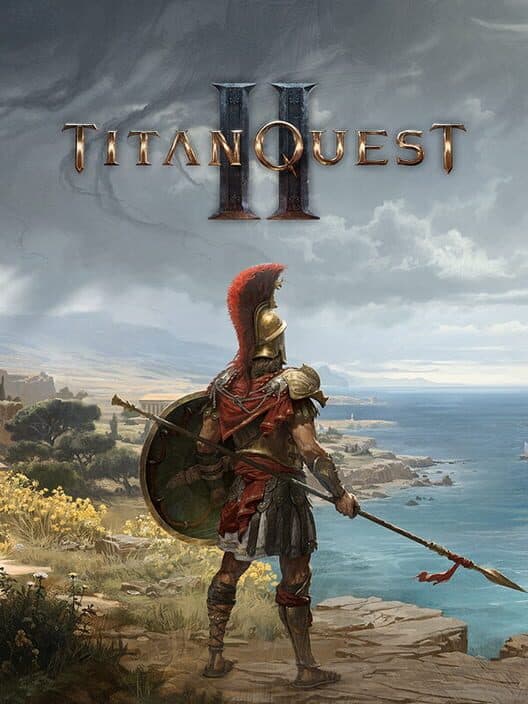
Titan Quest II
THQ Nordic • 2025 • Xbox Series X|S, PC (Microsoft Windows), PlayStation 5
Is Titan Quest II Worth It?
Titan Quest II is worth it right now if you want a slower, more readable loot adventure and you're comfortable buying an unfinished PC Early Access game. Its best quality is the world itself: Greek-myth locations feel handcrafted, side paths are worth poking into, and combat has more weight than mindless screen clearing. It asks you to pay attention to enemy tells, resistances, and how your two skill schools work together, but it stops short of the giant spreadsheet energy some games in this space demand. The main catch is polish. Loot often doesn't hit with the excitement many players want, and performance or save worries can interrupt the fun. Buy at full price if that slower pace sounds like a relief and you enjoy shaping builds over one solid campaign run. Wait for a sale or for 1.0 if you need smoother performance, stronger item rewards, or console availability. Skip it for now if you mainly want nonstop spectacle, endless loot highs, or a fully finished long-term endgame.
What is Titan Quest II like?
Opinions of Titan Quest II
What Players Love
- Players Love
Greek mythology and handcrafted areas leave a strong impression
Players regularly praise the sunlit ruins, monster-filled coasts, and hidden side paths. The world feels shaped by hand, which makes exploration more memorable.
- Players Love
Slower old-school pacing feels refreshing to many players
Fans like that fights are measured and systems stay readable. It feels less like a live-service treadmill and more like a calmer campaign you can settle into.
Common Concerns
- Common Concern
Loot upgrades often lack excitement or clear build impact
A common complaint is that new drops rarely create those big wow moments. Too many upgrades feel flat, which weakens the reward loop between fights.
- Common Concern
Performance problems and technical rough edges still frustrate
Recent feedback often mentions frame drops, crashes, and heavy hardware demands. Those issues matter more here because they can interrupt longer dungeon runs.
Divisive Aspects
- Divisive
Measured combat and slower progression split the audience
Some players love the cleaner pace and lower loot spam. Others read those same qualities as bland, making this the game's clearest taste-based divide.
What does Titan Quest II demand from you?
Time
MODERATETime
One current campaign run fits weeknight play fairly well, though autosaves, mild return friction, and Early Access technical wobble make it less carefree than top pick-up games.
Focus
HIGHFocus
Combat needs steady eyes on the screen, but the thinking stays readable: dodge clear attacks, watch cooldowns, and make small build choices between battles.
Challenge
MODERATEChallenge
Expect a few evenings of learning skills, resistances, and gear logic, then the fun becomes shaping a character that actually feels like your own.
Intensity
MODERATEIntensity
Pressure comes from fair fights, not panic. Bosses can spike the stakes, yet the mood stays adventurous and measured more than harsh or exhausting.
Frequently Asked Questions
You Might Also Like
Games with a similar rhythm and feel, even if they look different