hello@slated.gg
Powered by IGDB•Privacy•Terms

© 2026 Slated.gg

Slated.gg
Popular GamesAboutDiscover Games
DragonSword: Awakening

Hound13 • 2026 • PC (Microsoft Windows)
Perfect for a weekend
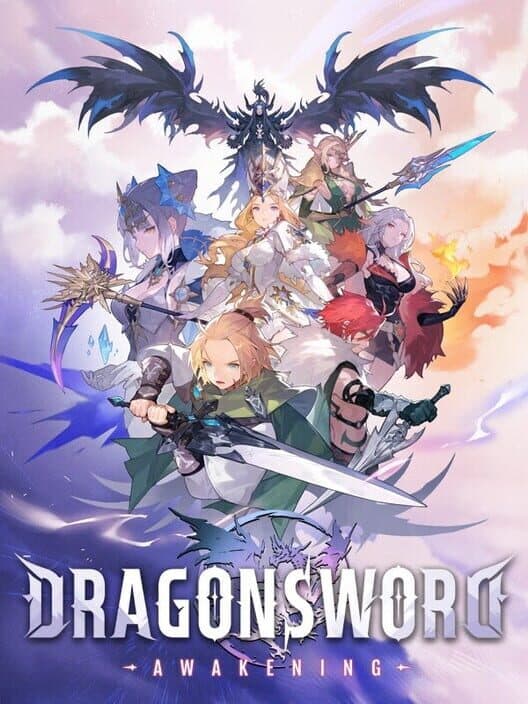
DragonSword: Awakening cover art

DragonSword: Awakening

Hound13 • 2026 • PC (Microsoft Windows)

Perfect for a weekend

Is DragonSword: Awakening Worth It?

Yes, DragonSword: Awakening is worth it if you want flashy team combat, open-world wandering, and a fair buy-once package instead of gacha pressure. Its best trick is how good fights feel once your three-character team starts chaining status effects and follow-up attacks. The world is bright and easy to roam, mounts help keep travel pleasant, and building one favorite team gives the whole journey a nice sense of momentum. The catch is polish. Menus are busy, English text can feel rough, progression still has some grindy leftovers from the game's old live-service shape, and the lack of a true pause is a real downside for busy evenings. The story also seems more serviceable than unforgettable. Buy at full price if combat systems and anime adventure charm matter more to you than perfect convenience. Wait for a sale if menu clutter, grind, or story quality are big deal-breakers. Skip it if you need clean onboarding, strong narrative payoff, or a game that handles interruptions well.

What is DragonSword: Awakening like?

Opinions of DragonSword: Awakening

What Players Love

  • Players Love

    Premium model drops gacha pressure and feels refreshingly fair

    Players love getting hero collecting and long-term progression without banners, stamina timers, or pay-to-win pressure. Most rewards feel earned through play.

  • Players Love

    Tag-team combat and status combos carry the whole experience

    The switching system clicks when you start setting up ailments and cashing them into follow-up attacks. Many players say combat keeps them invested through rough edges.

  • Players Love

    Exploration, mounts, and anime charm make roaming enjoyable

    Roaming the world on mounts, dipping into caves, and picking up side discoveries gives the journey an easygoing sense of adventure beyond the main path.

Common Concerns

  • Common Concern

    Grind and currency clutter still show old live-service roots

    Many players feel the old live-service skeleton still shows through repeatable grinds, layered currencies, and reward pacing that can make progress feel padded.

  • Common Concern

    Rough translation, busy menus, and no pause hurt comfort

    Awkward English text, mobile-style menus, and the lack of a true pause come up constantly. These issues do not ruin the game, but they do wear on busy players.

Divisive Aspects

  • Divisive

    Story lands as charming filler or thin payoff

    Some players enjoy the story's simple charm and hero moments, while others find the plot thin or abrupt. It matters less if combat is your real reason to stay.

What does DragonSword: Awakening demand from you?

Time

MODERATE

Time

You can get the best of it in a few weeks, but the lack of true pause makes each combat-heavy session feel less flexible than the game first appears.

MODERATE

The best version of this game is a several-week adventure, not a forever obligation. Most people will see the main story in around 10 to 15 hours, while a fuller run with exploration, hero unlocks, and some post-story hunts lands closer to 20 to 30. That is a healthy size for someone playing a few evenings a week. The catch is flexibility. Autosaves are frequent and quitting is usually safe, but there is no true pause, so surprise interruptions during combat are more annoying than they should be in a mostly solo game. Sessions usually fit well into 60 to 90 minutes because towns, quest turn-ins, hunts, and dungeon clears create decent stopping points. At the same time, the world constantly offers one more cave, one more upgrade, or one more material run, so you often stop by personal discipline rather than a hard endpoint. Returning after a break takes some reorientation, especially if you forget your team setup. Social pressure stays low, though, since co-op is optional and the main journey stands on its own.

Tips
  • End sessions in town when possible, so your next login starts with quest markers, shops, and upgrades instead of a random field fight.
  • Ignore repeatable hunts until you finish several story chapters; they can quietly stretch a short campaign into a grindier side hobby.
  • If you take a week off, read your quest log and team loadout before moving; five reset minutes save a messy restart.

Focus

MODERATE

Focus

Combat wants your full eyes and hands, while travel and gathering give you a little room to breathe between bursts of dodging, swapping, and menu sorting.

MODERATE

Most of your attention goes to combat and cleanup, not constant world-state planning. In ordinary fights you are reading enemy tells, dodging on time, watching status buildup, and deciding when to swap characters to trigger follow-up attacks. That asks for real concentration and fast hands, especially because the game cannot be truly paused once trouble starts. The menus also add early friction. Cooking buffs, layered currencies, hero upgrades, and team setup can make the first several hours feel busier than the colorful presentation suggests. The upside is that this effort pays you back in satisfying flow. Once you settle on a main trio, the game becomes easier to read and your brain can spend less time decoding systems and more time enjoying movement, exploration, and combo rhythm. Travel between objectives is calmer, so it is not wall-to-wall strain, but this is still a game that wants your eyes on the screen whenever combat is active. It works best when you can give it a focused hour, not when you plan to half-watch TV beside it.

Tips
  • Before leaving town, lock one main trio and ignore extra heroes for a while so combat rhythm settles and menu load stays manageable.
  • Use travel stretches for gathering and map cleanup, then tackle hunts or dungeons only when you can give the screen full attention.
  • Build a tiny login ritual: check the quest marker, refill healing, review gear, then head out before the menus start pulling you sideways.

Challenge

MODERATE

Challenge

The early game is harder to parse than it is to survive, because the real hurdle is messy systems and team synergy, not brutally punishing enemies.

MODERATE

The hardest part is understanding the game cleanly, not surviving it at all. DragonSword piles real-time dodging and character swaps on top of hero growth, cooking, currencies, gear layers, and status interactions. That means the early hours can feel messy, especially when the interface or English text does not explain things gracefully. A lot of players will need five to ten hours before the systems stop feeling noisy and start feeling natural. The good news is that the skill curve settles down once you commit to a favorite team. You do not need to master every hero or memorize every upgrade path to enjoy the game. Learn one clear status-combo plan, keep your gear reasonably current, and the combat starts paying you back with flashy, rewarding rhythm. Mistakes are not free, but they are rarely catastrophic, so the game usually teaches through retries instead of hard walls. Players who like experimenting with builds will find more depth later, while players who just want a solid main run can reach comfort without turning the game into homework.

Tips
  • Treat the first several hours as onboarding, and resist spreading resources across the whole roster before you understand what each status effect actually does.
  • Pick one damage plan, like freeze into burst or poison into follow-ups, and build around it instead of chasing every new hero.
  • Use a short community guide for currencies and upgrade paths; a little outside clarity removes some of the game's roughest early friction.

Intensity

MODERATE

Intensity

Most of the game feels lively rather than punishing, but bosses and hunts can spike tension fast because dodge windows are tighter than the bright art suggests.

MODERATE

This is more lively than punishing. Most sessions create a medium level of pressure: enough to keep you alert, not enough to leave you wrung out. Bosses, hunts, and longer dungeon fights can absolutely spike the tension because dodge windows are tighter than the bright anime look first suggests, and a bad team setup can make those mistakes feel sharper. The lack of a true pause also adds a small background stress that other single-player adventures simply do not have. What keeps it from feeling brutal is the broader safety net. Failure usually costs time rather than major progress, autosaves are generous, and the tone stays adventurous instead of bleak or scary. This is not horror-game stress, and it is not the relentless pressure of a punishing skill check like Sekiro. It is the good kind of action-game stress most of the time: short bursts of danger followed by relief, loot, and the pleasure of seeing your team plan work. Play it when you want to feel engaged and a little challenged, not when you want pure comfort food.

Tips
  • Save tougher hunts and raids for nights when you want active action, not half-distracted wind-down time after a long day.
  • Bring a team built around one clear status plan instead of three random favorites; cleaner synergy lowers panic in longer fights.
  • If a boss feels unfair, step out and upgrade gear or cooking buffs first rather than hammering your head against repeated retries.

Frequently Asked Questions

DragonSword: Awakening is moderately hard, closer to a sharper open-world action game than a punishing wall like Sekiro. The challenge mostly comes from real-time dodging, quick character swaps, and building a team that actually works together. If you ignore status combos or fall behind on gear, bosses and hunts can feel rougher than the bright art style suggests. It is harder to read at first than it is to survive. The bigger hurdle for many players is the cluttered upgrade flow, multiple currencies, and rough explanations. Expect the first five to ten hours to feel messier than the rest. Once you lock in a favorite three-hero team, the combat becomes far easier to understand and the game settles into a fair rhythm. Most players used to God of War or Horizon-level action should be fine after the learning phase. If you want clean onboarding or very generous dodge timing, it may feel frustrating. If you enjoy learning one solid combat loop and improving through repetition, it lands in a satisfying middle zone.

Plan on about 10 to 15 hours for the main story, 20 to 30 hours for the version most players will find satisfying, and 50 to 80+ if you chase extra heroes, gear, hunts, and achievements. The story path itself is not enormous, but exploration and progression systems make it easy to stretch the game well beyond the credits. A normal session fits pretty well into 60 to 90 minutes. Quests, towns, and dungeon clears give you reasonable stopping points, though the world is very good at tempting you with one more cave, chest, or upgrade before bed. Autosaves are frequent and quitting is usually safe, which helps a lot. The one catch is flexibility inside a session. There is no true pause, so this is less friendly to sudden interruptions than most solo adventures. If you only want the core experience, treat it as a two- to four-week game played a few nights a week. If you enjoy team tinkering and repeatable post-story content, it can last much longer.

DragonSword: Awakening is moderately stressful in a good action-game way, not in a horror-game or life-sim pressure way. Most of the tension comes from boss fights, tighter dodge windows, and the need to react quickly when your team plan starts to fall apart. You will feel alert during tougher hunts, but the game is not built to make you anxious for hours at a time. What keeps it manageable is the overall tone. The world is bright, colorful, and adventurous, and failure usually costs you a retry rather than a huge loss. Frequent autosaves also soften the sting of mistakes. The main annoyance is that there is no true pause, which can create bad stress if real life interrupts you mid-fight. This is a good pick when you want active, upbeat combat and a little friction to stay engaged. It is a weaker pick for late-night winding down, multitasking, or any evening where you may need to step away from the screen without warning.

Yes, DragonSword: Awakening is very playable solo, and that is clearly the way it was built first. The story, open-world wandering, regular dungeons, and everyday progression all work as a single-player experience. Official materials and post-launch messaging both frame it as a buy-once solo adventure, not a co-op-first game that becomes annoying alone. There is optional online co-op for certain subjugation and raid activities, but those modes are extra seasoning, not the main meal. You do not need a fixed group, a voice chat schedule, or a social checklist to enjoy the game. That is good news if your playtime comes in short evening windows. The only real caveat is technical rather than social. Offline support is limited on PC, and the lack of a true pause can make solo play less convenient than it should be. Even so, if you want to explore, build a favorite three-hero team, and finish the main campaign at your own pace, playing alone is not just viable. It is the standard way most people will experience it.

No, DragonSword: Awakening is not pay-to-win. Its biggest selling point is that it takes the hero-collecting and progression appeal of a gacha-style game, then strips out the usual pressure points. There are no random character banners, no stamina timer pushing you to spend, and no power sold through cash purchases. Heroes, gear, and progression come from playing the game. That matters because the whole structure could easily have felt manipulative given the layered currencies and roster-building systems. Instead, the business model is unusually clean for this kind of adventure. The paid extras that do exist are things like costumes, mounts or familiars, and deluxe-style bonus content rather than stat advantages. The bigger concern is not monetization. It is that some progression systems still feel grindy, as if they were designed for an older live-service version and then converted into a premium release. So you may feel friction, but it is not because the game is trying to sell you power. If fairness matters to you, this is one of the game's clearest strengths.

You Might Also Like

Games with a similar rhythm and feel, even if they look different
Explore more→
Titan Quest II game cover art

Titan Quest II

Time
MODERATE
Focus
HIGH
Challenge
MODERATE
Intensity
MODERATE
Kemuri game cover art

Kemuri

Time
MODERATE
Focus
HIGH
Challenge
MODERATE
Intensity
MODERATE
Wuthering Waves game cover art

Wuthering Waves

Time
MODERATE
Focus
MODERATE
Challenge
MODERATE
Intensity
MODERATE
Where Winds Meet game cover art

Where Winds Meet

Time
MODERATE
Focus
MODERATE
Challenge
MODERATE
Intensity
MODERATE
Fallout 76 game cover art

Fallout 76

Time
HIGH
Focus
MODERATE
Challenge
MODERATE
Intensity
MODERATE
Star Wars Jedi: Survivor game cover art

Star Wars Jedi: Survivor

Time
MODERATE
Focus
HIGH
Challenge
MODERATE
Intensity
MODERATE
← Back to Home