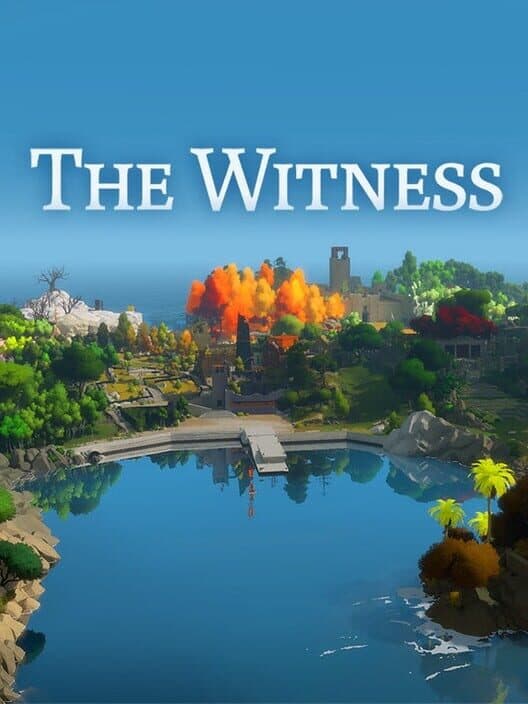
The Witness

Thekla, Inc2016PlayStation 4, PC (Microsoft Windows), iOS, Mac, Xbox One
First-person island of pure puzzles

Non-verbal logic with big aha moments

Highly flexible, interruption-friendly sessions

Is The Witness Worth It?

The Witness is absolutely worth it if you love brainy puzzle games and don’t need traditional story or combat to stay engaged. The whole island is one big, interconnected set of logic challenges, and the thrill comes from slowly teaching yourself how its strange symbols work. You’re paying for a concentrated hit of “aha” moments, not flashy set pieces or loot. What it asks from you is patience, curiosity, and real mental effort. Some panels will stump you for ten or twenty minutes, and the game never gives hints or quest markers. In exchange, when a solution finally clicks, it feels genuinely earned. For full-price buyers, it’s a great value if you expect to spend at least a few weeks dipping in most nights. If you’re puzzle-curious but unsure you’ll stick with something this demanding, it’s an excellent sale pickup. People who mainly play for narrative, character progression, or fast-paced action will likely bounce off and should probably skip it.

When is The Witness at its best?

When you have an hour or so on a quiet evening and want a deep, screen-only brain teaser instead of TV, you can wander the island and clear a few puzzle chains.

On a weekend afternoon with a partner or friend who likes puzzles, you can take turns at the controller, talking through ideas together without worrying about timers or sudden action.

After a mentally restless workday when you still have some focus left, it’s great for a solo walk, a few tough panels, then stopping whenever real life calls.

What is The Witness like?

For a busy adult, The Witness fits nicely into a few weeks of evening play. Seeing the credits and a solid mix of regions typically lands around 20–30 hours, which feels like a complete run without touching every optional challenge. Sessions are extremely flexible. You can drop in for twenty minutes to solve a handful of panels or settle in for a 90-minute wander around the island. The game saves constantly and pauses cleanly, so real-life interruptions are no problem. You can literally stop mid-step or mid-panel and resume later. The main time risk is cognitive, not structural: if you leave for a couple of weeks, you may forget specific symbol rules or where you were focusing, making re-entry slower. There are no social obligations, matchmaking queues, or raid schedules to juggle—this is a purely on-your-own-time experience. Key takeaways: - Roughly a few weeks’ worth of play - Sessions can be very short or long - Breaks are fine, but long gaps add confusion

Tips

  • Plan to play in 30–90 minute chunks a few nights a week; that rhythm keeps the rules fresh without burning you out.
  • When stopping for the night, leave yourself a clue by snapping a photo or jotting a note about the area and type you’re on.
  • If you’ve been away for more than a week, intentionally revisit a completed region first to rebuild confidence and recall before tackling brand-new areas.

The Witness is all about giving your mind something chewy to work on. Most of a typical session is spent standing at a panel, tracing possible routes, undoing them, and trying again while you reason through what the symbols must mean. There’s almost no pressure from the controller side: you move slowly, aim the cursor, and draw a line, with unlimited time to think. The challenge comes from holding rules in your head, spotting patterns, and connecting what you see in the world to what’s on the grid. Because nothing happens unless you move or draw, it technically tolerates distraction very well—you can pause mid-thought, answer a message, and come back with no penalty. In practice, though, the puzzles are dense enough that you’ll get the most out of it when you can give it a quiet, focused chunk of time. Key takeaways: - High mental effort, zero twitch - Best in quiet, low-distraction sessions - Thinking-heavy, action-light playstyle

Tips

  • Play when you’re mentally fresh, not at the end of an exhausting day, so you actually enjoy wrestling with tougher late-game puzzles.
  • If household distractions are common, solve one or two panels at a time instead of forcing long runs of deep concentration.
  • Keep a notebook or phone photos of key symbol rules to lighten the mental load, especially if you take breaks between sessions.

The basic premise of The Witness is easy to pick up: walk around, find panels, draw a line from start to finish. Within an hour or two you’ll understand how early symbol sets work and feel comfortable clearing simple sequences. The deeper learning comes from gradually internalizing a whole library of visual rules and how they interact. As regions layer mechanics together, you move from trial and error to genuine fluency. Skill growth changes the experience in a satisfying way. Early on, many panels look impossible; later, the same patterns feel almost trivial because your brain recognizes them instantly. That improvement unlocks harder optional sections and environmental secrets that would have been impenetrable before. There isn’t endless depth in the sense of a competitive game, but there is a clear sense that your own understanding, not character stats, is what advances. Key takeaways: - Easy to start, rules-rich depth - Knowledge, not reflexes, drives progress - Mastery opens up optional challenges

Tips

  • Treat early regions as a classroom and resist the urge to brute-force solutions; noticing how panels teach you will pay off later.
  • When a symbol set feels opaque, deliberately replay its earliest puzzles to refresh how the rule was introduced before tackling later, trickier variants.
  • Avoid using online guides unless you’re truly stuck for days, since outside answers short-circuit the satisfying feeling of building your own understanding.

On the surface, The Witness feels gentle: there’s no combat, no enemies, and no way to die. You can stroll the island at your own pace, set the controller down whenever you like, and you’ll never face a sudden jump scare or timed gauntlet. The strain comes from within. Tough panels can tie your brain in knots, and spending ten or twenty minutes staring at the same grid can feel intense in a very specific, exam-question kind of way. Because there’s no penalty for failure, the stakes stay low. Getting something wrong just means trying again or wandering off to another area. That keeps frustration from spiraling, as long as you’re willing to walk away from a stubborn problem. High points are quiet but powerful: the moment a confusing rule finally clicks, or you notice an environmental puzzle hiding in plain sight. Key takeaways: - Cognitive difficulty, low adrenaline - Frustration possible, never catastrophic - Best when you’re patient with yourself

Tips

  • At the first sign of real frustration, consciously switch areas or take a short break; breakthroughs often arrive faster after stepping away.
  • Avoid marathoning bitterly hard panels late at night, since tiredness turns fair challenges into demoralizing walls that can poison your enjoyment.
  • Treat getting stuck as information, not failure, and reframe it as a cue to explore elsewhere rather than grind on one unsolved board.

Frequently Asked Questions