Nintendo • 2017 • Wii U, Nintendo Switch
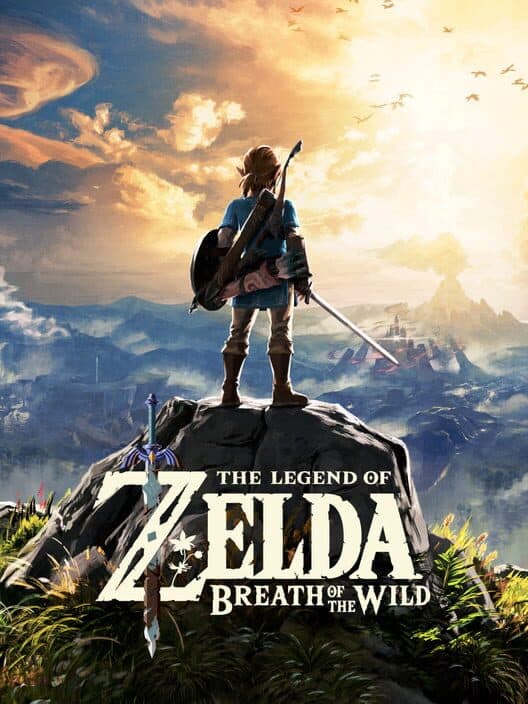
Vast open world, go anywhere.
Long adventure, great in nightly chunks.
Calm exploration with light puzzle combat.
Breath of the Wild is absolutely worth it if you enjoy exploration, gentle challenge, and making your own fun. It shines for adults who like to wander, poke at systems, and progress at a relaxed pace instead of being dragged along a rigid story. You’re signing up for a big adventure that can easily run 50–80 hours, but it slices cleanly into short, satisfying sessions thanks to shrines, towers, and flexible saving. The game asks you for curiosity and patience: lots of quiet travel, experimenting with physics powers, and accepting that you’ll miss some secrets. In return, it delivers a gorgeous world, frequent small discoveries, and a steady feeling of growth from fragile wanderer to legendary hero. If you need intense narrative focus or tightly scripted setpieces, you might find it too loose. For players on a tight budget who love open worlds, it’s worth full price. If you’re unsure about long games or exploration-first design, grabbing it on sale is a safer bet.

Nintendo • 2017 • Wii U, Nintendo Switch
Vast open world, go anywhere.
Long adventure, great in nightly chunks.
Calm exploration with light puzzle combat.
Breath of the Wild is absolutely worth it if you enjoy exploration, gentle challenge, and making your own fun. It shines for adults who like to wander, poke at systems, and progress at a relaxed pace instead of being dragged along a rigid story. You’re signing up for a big adventure that can easily run 50–80 hours, but it slices cleanly into short, satisfying sessions thanks to shrines, towers, and flexible saving. The game asks you for curiosity and patience: lots of quiet travel, experimenting with physics powers, and accepting that you’ll miss some secrets. In return, it delivers a gorgeous world, frequent small discoveries, and a steady feeling of growth from fragile wanderer to legendary hero. If you need intense narrative focus or tightly scripted setpieces, you might find it too loose. For players on a tight budget who love open worlds, it’s worth full price. If you’re unsure about long games or exploration-first design, grabbing it on sale is a safer bet.
When you have an hour or so on a weeknight and want to unwind by wandering, clearing a shrine, and making a little visible progress without heavy story or pressure.
On a quiet weekend afternoon when you can sink two to three hours into tackling a Divine Beast, upgrading gear, and really exploring a new region in depth.
When you’d like one long-term “comfort game” to dip into over several weeks, chipping away at shrines and main quests whenever real life gives you a free evening.
A long journey best enjoyed over many evenings, but with flexible saves and bite-sized goals that fit 60–90 minute sessions well.
This is not a weekend-length game; it’s more like a favorite show you watch over several weeks. To see the main arc through the four Divine Beasts and the final battle, you’re typically looking at dozens of hours. At 5–15 hours a week, that translates to a comfortable month or more of casual play. The good news is that the structure fits adult life very well. You can save almost anywhere, pause instantly, and treat shrines, towers, and short quests as neat little episodes. There’s no pressure to log in daily, no limited-time events, and no social obligations. If work or family pulls you away for a week or two, the map and quest list make it pretty painless to reorient. The main risk is simply its size: if you personally dislike long-term projects, you might bounce off before the credits. But if you enjoy having one big, reliable game to return to, it’s an excellent slow-burn companion.
You’ll be thinking and paying attention, but the game mixes focused shrine puzzles with plenty of relaxed wandering and gentle, low-pressure combat.
Playing this feels like alternating between short bursts of focus and long, relaxing strolls. Early in a session you’ll usually check your map, set a loose goal, and then glide or ride toward something interesting. Along the way you’ll decide how to approach small enemy camps, which ingredients to gather, and what gear to equip for weather or damage type. Shrines ask you to slow down and think: they’re compact, self-contained puzzles or combat rooms that reward experimentation more than raw skill. Outside of those focused bits, there’s a lot of low-demand time simply crossing terrain, climbing, or poking around for materials. You can chat with someone in the room, listen to a podcast during easy travel, or pause whenever you need to. It’s not a game you’ll truly “background,” but it won’t devour your full attention every second either, which works well for tired evenings after work.
Easy to get comfortable with in a few sessions, with extra depth if you enjoy experimenting and refining your combat and movement tricks.
You don’t need to be a lifelong gamer to get into this. The opening plateau walks you through climbing, gliding, basic combat, and powers at a friendly pace. Within your first several hours, you’ll probably feel capable: you know how to dodge, cook, and survive most regions if you’re careful. There’s plenty more to learn—like perfect dodge timing, advanced physics tricks with bombs and stasis, or slick shield-surfing—but those are bonuses, not gatekeepers. Because gear, hearts, and food buffs matter so much, you can smooth over many mistakes with preparation rather than raw skill. Improving does make the game more fun: fights become less chaotic, exploration more efficient, and tough enemies more manageable. But it rarely feels like a strict test of mastery. For a time-constrained adult, that balance is kind: you can play “good enough” and still finish, while having room to grow if you fall in love with the systems.
Mostly calm and soothing, with occasional spikes of tension from bosses, guardians, or risky climbs that rarely feel punishing for long.
The emotional feel here is much closer to a quiet hike than an action movie. Most sessions are spent in soft music, open landscapes, and low-stakes skirmishes that you can usually control or walk away from. The world’s ruined state adds a gentle melancholy, but it’s rarely heavy or bleak. When intensity does jump—like when a guardian laser locks on you, lightning storms roll in, or a Divine Beast boss appears—it’s sharp but brief, and recovery is easy with healing items and autosaves. Because failure usually only costs a bit of time, the game doesn’t create constant dread or frustration. There’s no social ranking, no raid group relying on you, and no permanent character wipes. For a busy adult, that means you can engage without bracing for big emotional swings. It’s stimulating enough to feel adventurous, but not so stressful that you’ll finish a session feeling wrung out.
Games with a similar rhythm and feel, even if they look different