hello@slated.gg
Powered by IGDB•Privacy•Terms

© 2026 Slated.gg

Slated.gg
Popular GamesAboutDiscover Games
The Eternal Life of Goldman

THQ Nordic • 2026 • Xbox Series X|S, PC (Microsoft Windows), PlayStation 5, Nintendo Switch
Satisfying to completePerfect for a weekend
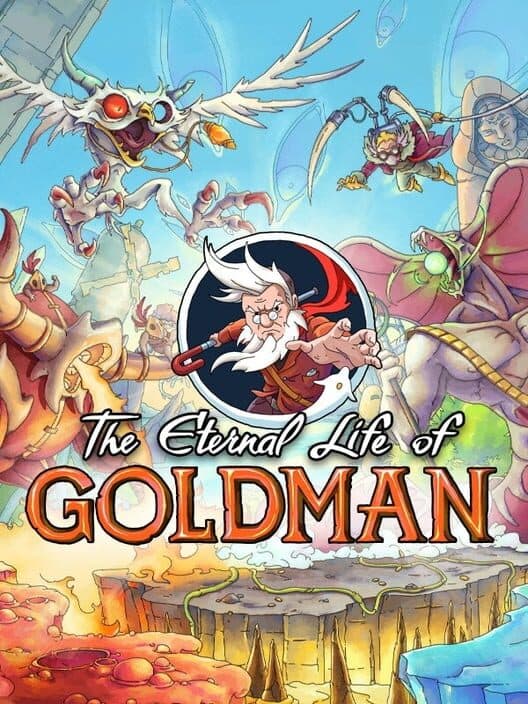
The Eternal Life of Goldman cover art

The Eternal Life of Goldman

THQ Nordic • 2026 • Xbox Series X|S, PC (Microsoft Windows), PlayStation 5, Nintendo Switch

Satisfying to completePerfect for a weekend

Is The Eternal Life of Goldman Worth It?

Based on the demo and developer interviews, The Eternal Life of Goldman looks worth it if you want a beautiful solo adventure with real platforming bite. Its big hook is obvious: almost everyone who has touched it comes away talking about the hand-drawn animation, strange creatures, and dark fairy-tale mood. Better still, the movement does not seem to be carried by art alone. The pogo and hook platforming looks deliberate, skillful, and rewarding once it clicks. The catch is that this does not look like a breezy comfort game. It asks for steady attention, exact jumps, and some patience with story scenes that may feel wordy if you mainly want action. If final reviews confirm the demo's promise, it looks like a strong full-price buy for people who enjoy precise movement and authored adventures with a real ending. If you are unsure, it feels like an ideal Game Pass or sale pickup. Skip it if you dislike retry-heavy platforming, small-readability risks, or games that interrupt the action for dialogue.

What is The Eternal Life of Goldman like?

Opinions of The Eternal Life of Goldman

What Players Love

  • Players Love

    Hand-drawn art and dark storybook mood stand out

    Across demo reactions, the biggest praise is pure craft: dense frame-by-frame animation, striking creature design, and a world that feels charming and unsettling at once.

  • Players Love

    Platforming clicks once the cane movement makes sense

    Players who stick with the early adjustment period often say the pogo and hook movement becomes satisfying, especially when bosses and routes start to feel readable.

Common Concerns

  • Common Concern

    Early dialogue can slow the pace more than expected

    A common complaint is that the opening leans hard on conversations and text. For players coming mainly for movement, those story beats can interrupt momentum.

  • Common Concern

    Small text and control friction hurt readability for some players

    Many demo players mention tiny text, couch-distance readability issues, and early control confusion. Patch notes show the team already adjusting tutorials, hitboxes, and input feel.

Divisive Aspects

  • Divisive

    The precise challenge delights some and pushes others away

    The same exacting jumps that excite platforming fans can frustrate players wanting something breezier. It looks intentionally demanding, and not everyone wants that here.

What does The Eternal Life of Goldman demand from you?

Time

LOW

Time

This is a compact solo journey that fits across a few weeks, with decent stopping points but less freedom than a true save-anywhere adventure.

LOW

For most players, this looks like a compact solo trip rather than a long-term hobby. Developer estimates place the main path around 12 to 16 hours, with extra time for secret hunting and ability-gated revisits. That is long enough to feel substantial, but short enough to finish over a few weeks of normal evening play. The structure also seems friendly to that pace. Islands, hubs, checkpoints, and fast-travel spots should give you decent stopping points, and there are no co-op schedules, guild duties, or endless daily chores pulling you back. The main caution is flexibility inside a session. Public info points to checkpoint saving, not full save-anywhere freedom, so you'll often want to push to the next node before stopping. Coming back after several days also may take a few minutes while you remember your current island, goal, and cane setup. In exchange, the game appears to offer something many busy players want: a complete, authored adventure with a real ending, not a forever game that quietly asks for months.

Tips
  • Aim to stop at checkpoints or fast-travel spots. The game looks much better in tidy chunks than in the middle of a hard room.
  • After a week away, spend two minutes checking your current island, next goal, and equipped cane parts before attempting tricky sections.
  • Use shorter sessions for secret cleanup or revisits. Start fresh main-path pushes when you have enough time to settle into the controls.

Focus

MODERATE

Focus

You’ll spend most of your time reading the screen, timing jumps, and reacting to hazards, with just enough exploration and story breaks to catch your breath.

MODERATE

This asks for real, steady attention and pays you back with satisfying movement and strong visual discovery. Most active play looks built around reading the screen, judging spacing, and timing exact jumps, bounces, and hooks. On top of that, you will likely swap cane parts to fit a room or route, so your brain is not just pushing buttons on instinct. The good news is that it does not seem mentally messy. There are no giant build trees, party management, or huge maps full of chores. Instead, the demand is clean and direct: look carefully, react well, and keep your hands in sync with what you see. Short story scenes and quieter exploration paths give you little breathers, but this still seems like a game you play with your eyes up, not one you half-watch while catching up on a show. If you enjoy that locked-in feeling, it should reward you with crisp room-to-room momentum and the pleasure of mastering a beautifully drawn world.

Tips
  • Treat it like a hands-on game, not a podcast game. Most mistakes will come from looking away during hooks, hazards, and enemy bounce chains.
  • When you unlock a new cane part, test it near a checkpoint for a few minutes before pushing into tougher rooms.
  • Use dialogue scenes and hub walks as breathers, then tackle harder platforming when you can give the screen your full attention.

Challenge

MODERATE

Challenge

It asks you to learn exact movement, pogo timing, and cane tools, but the systems themselves look readable once your hands catch up.

MODERATE

This doesn't seem hard to understand, but it does look demanding to play well. The main learning curve appears to be physical: getting comfortable with pogo timing, hook use, hazard spacing, enemy bounce chains, and knowing when a different cane part changes the solution. For most people, the first couple of hours will probably be adjustment time rather than instant flow. That is especially true because early demo feedback pointed to small text, control feel issues, and under-explained mechanics, even though the team has already patched some of those pain points. The upside is that the systems themselves look fairly readable once the basics settle in. You are not memorizing dozens of stats or deciphering hidden rules; you are building hand skill and room-reading confidence. If you like games where you can feel yourself getting cleaner and calmer with practice, this could be very satisfying. If you want breezy first-try success, it may feel sharper than the art style suggests.

Tips
  • Practice pogo timing on basic enemies before harder sequences. That bounce seems to be a foundation for both travel and combat.
  • Swap cane parts with a purpose. Learning what each tool solves will save you hesitation when a room gets busy.
  • If text or UI feels small, play closer to the screen or on a monitor until the final release confirms broader accessibility options.

Intensity

MODERATE

Intensity

This feels tense more than punishing: tricky platforming and a dark fairy-tale mood keep you alert, but quick retries stop mistakes from turning into misery.

MODERATE

This feels tense more than punishing, and that distinction matters. The pressure seems to come from exact jumps, enemy placements, and bosses that ask you to read patterns cleanly, all wrapped in a fairy-tale world with a sad, uneasy edge. That can raise the pulse, especially when you are one clean sequence away from a checkpoint. But the game also seems designed to keep failure moving. Death reportedly costs only a small amount of money, checkpoints are fairly generous, and the challenge is about retrying a room better, not crawling back through a long punishment loop. That means the bad kind of stress should stay limited for most players, even if a hard section can absolutely frustrate you in the moment. In return, it looks poised to deliver that great platformer payoff where a room that felt impossible 15 minutes ago suddenly clicks. Best played when you want alert, focused satisfaction rather than total relaxation.

Tips
  • If a room starts spiraling, stop at the next checkpoint. Tired hands make fair jumps feel unfair in precision platformers.
  • Don't hoard every coin out of fear. The reported death penalty is small, so quick retries matter more than perfect efficiency.
  • Give bosses one scouting attempt first. Reading the pattern calmly often helps more than trying to force a win immediately.

Frequently Asked Questions

From the public demo, The Eternal Life of Goldman looks medium-hard. It does not seem hard because of confusing systems or brutal punishment. It looks hard because the movement asks for exact timing, careful spacing, and quick correction when a jump, pogo bounce, or hook route goes slightly wrong. That kind of challenge can surprise people because the art style reads charming before the controls show their teeth. For learning, it seems tougher than a breezy mainstream platformer but not like the hardest levels of Celeste or the nastier optional gauntlets in Hollow Knight. Most players should understand what the game wants fairly quickly. The harder part is getting your hands comfortable enough to do it cleanly. Checkpoints and the reported small death penalty should soften the blow, which matters a lot. If you enjoy practice leading to visible improvement, this could feel satisfying. If you want to clear most rooms on the first or second try, it may feel stricter than you'd like. Final difficulty confidence is limited because public feedback still comes mostly from the demo.

Expect about 12 to 16 hours for a normal playthrough, and around 16 to 20 or a bit more if you chase lots of secrets and revisit side paths. That makes it a medium-size adventure, not a giant months-long commitment. For someone playing a few nights a week, it looks like the kind of game you could comfortably finish over two or three weeks. The structure also seems fairly evening-friendly. Public info points to islands, hubs, checkpoints, and fast-travel nodes, so you should have regular places to stop without losing your sense of progress. Most sessions will probably feel good in the 45 to 90 minute range, especially if you like ending after a checkpoint or a boss attempt. The main limitation is the save style. This appears to rely on checkpoints rather than full save-anywhere freedom, so you may sometimes want five more minutes to reach a cleaner stopping point. If you go for full completion, expect extra backtracking and some tougher optional routes, but the main story still looks like the natural finish line.

It looks moderately stressful, mostly in the good way. The Eternal Life of Goldman seems built around precise jumps, enemy placement, and a slightly eerie storybook tone that keeps you alert. When a room asks for clean timing, you will probably feel real pressure. The important part is that the pressure appears short-cycle. Checkpoints are frequent, the reported death penalty is small, and failure seems meant to send you right back into another try instead of dragging you through a long punishment loop. So is it casual-friendly? In schedule terms, yes, fairly. In attention terms, not really. This looks like a game that fits normal weeknight sessions, but not one you half-play while watching TV or handling constant interruptions. The best time to play it is when you have 45 minutes or more and enough energy to focus on exact movement. If you are looking to unwind with something soft and low-stakes, this may feel too sharp. If you enjoy that locked-in, one-more-try feeling, it could hit the sweet spot.

Yes. The Eternal Life of Goldman is not just playable alone, it is clearly built for solo play from the ground up. Everything public about it points to a one-player adventure with no co-op, no versus mode, no online schedules, and no pressure to coordinate with friends. That is great news if you like moving at your own pace, stopping when life gets busy, and learning hard sections without feeling like you are holding anyone back. That solo-first design also shapes the whole rhythm of the game. The story beats, island exploration, and precision platforming all seem tuned around one person's attention and one person's skill growth. You won't need to build a party role, keep up with a group meta, or log in at set times. The only real catch is that solo does not automatically mean easygoing. This still looks like a fairly demanding platformer, so the challenge comes from the game itself rather than from other players. If you want a self-contained adventure you can own and finish on your own terms, this seems like a strong fit.

No. Everything official points to The Eternal Life of Goldman being a straightforward premium release with no pay-to-win systems at all. Store pages describe it as a one-time purchase, and while it is also planned for day-one availability on Xbox Game Pass, there are no listed boosters, power packs, battle passes, gear skips, or competitive advantages for sale. Since the game is single-player, the whole idea of buying an edge over other people doesn't really apply here in the first place. As always with unreleased games, the small caveat is that plans can change before launch. But based on the public material available now, this does not look like a game built around live-service monetization or drip-fed pressure tactics. It looks like a complete adventure you buy once and play through. If you avoid games with manipulative stores, timed currencies, or constant upsells, this appears to be the opposite of that model.

You Might Also Like

Games with a similar rhythm and feel, even if they look different

Explore more→
Ori and the Will of the Wisps game cover art
Satisfying to completePerfect for a weekend

Ori and the Will of the Wisps

Time
LOW
Focus
MODERATE
Challenge
MODERATE
Intensity
MODERATE
Prince of Persia: The Lost Crown game cover art
Satisfying to complete

Prince of Persia: The Lost Crown

Time
MODERATE
Focus
HIGH
Challenge
MODERATE
Intensity
MODERATE
Deltarune: Chapter 5 game cover art
Satisfying to completePerfect for a weekend

Deltarune: Chapter 5

Time
LOW
Focus
MODERATE
Challenge
MODERATE
Intensity
MODERATE
The Adventures of Elliot: The Millennium Tales game cover art
Satisfying to completePerfect for a weekend

The Adventures of Elliot: The Millennium Tales

Time
MODERATE
Focus
MODERATE
Challenge
MODERATE
Intensity
MODERATE
Star Wars Jedi: Survivor game cover art

Star Wars Jedi: Survivor

Time
MODERATE
Focus
HIGH
Challenge
MODERATE
Intensity
MODERATE
Metroid Prime 4: Beyond game cover art
Satisfying to completePerfect for a weekend

Metroid Prime 4: Beyond

Time
LOW
Focus
MODERATE
Challenge
MODERATE
Intensity
MODERATE
← Back to Home