hello@slated.gg
Powered by IGDB•Privacy•Terms

© 2026 Slated.gg

Slated.gg
Popular GamesAboutDiscover Games
Deltarune: Chapter 5

tobyfox • 2026 • PlayStation 4, Nintendo Switch 2, PC (Microsoft Windows), PlayStation 5, Mac, Nintendo Switch
Satisfying to completePerfect for a weekendLighthearted & fun
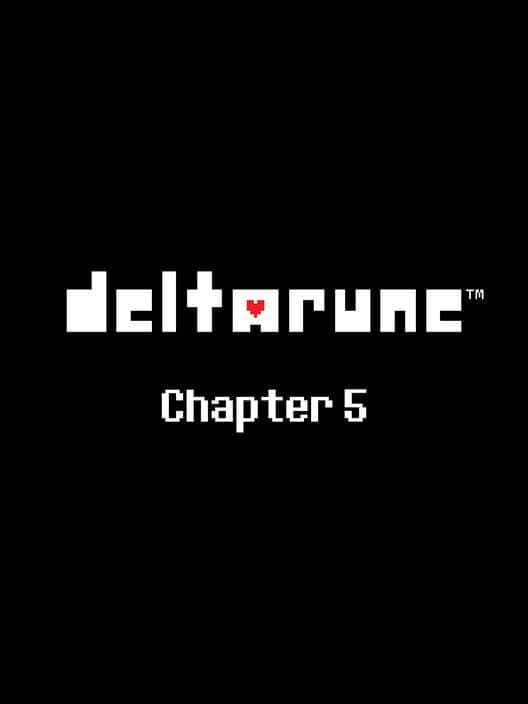
Deltarune: Chapter 5 cover art

Deltarune: Chapter 5

tobyfox • 2026 • PlayStation 4, Nintendo Switch 2, PC (Microsoft Windows), PlayStation 5, Mac, Nintendo Switch

Satisfying to completePerfect for a weekendLighthearted & fun

Is Deltarune: Chapter 5 Worth It?

Yes, Deltarune: Chapter 5 is worth it for players who love strong character writing, memorable music, and inventive battles in a compact package. Its best qualities are easy to see right away: the jokes land, the cast stays charming, and the chapter keeps remixing its combat and traversal enough to feel fresh. For someone playing a few evenings a week, that is a great value. The catch is that this chapter works better as a strong step in an ongoing story than as a giant payoff on its own. If you want huge answers, major closure, or a long RPG with deep build freedom, this may leave you a little unsatisfied. A few bosses also spike harder than the warm tone suggests. Buy at full price if you already care about Deltarune's world or want a 5 to 8 hour story-heavy adventure with real personality. Wait for a sale if you are curious but sensitive to boss retries or want more complete story resolution. Skip it if you dislike lots of reading, authored pacing, or games that mix menu strategy with live dodging.

What is Deltarune: Chapter 5 like?

Opinions of Deltarune: Chapter 5

What Players Love

  • Players Love

    Characters, jokes, music, and visuals carry the whole chapter

    Players consistently praise the cast, sharp humor, standout soundtrack, and lively set pieces. Even people with story complaints often say the presentation keeps them invested.

  • Players Love

    New platforming and traversal keep the chapter feeling fresh

    Many players love the added movement ideas, faster action beats, and genre-mixing set pieces. They make Chapter 5 feel less like more of the same.

Common Concerns

  • Common Concern

    Story feels more like setup than payoff here

    A common concern is that this chapter spends more time building mood and future stakes than delivering major answers, especially after a long wait between releases.

  • Common Concern

    Boss spikes and early bugs tested some players' patience

    Players often separate the strong writing from rougher edges like difficult bosses, awkward new mechanics, and launch-period crashes, softlocks, or balance issues.

Divisive Aspects

  • Divisive

    Great gameplay, but not everyone loves the slower story

    Some players rank Chapter 5 among the series' best for moment-to-moment play, while others miss the stronger plot payoff and momentum of earlier favorites.

What does Deltarune: Chapter 5 demand from you?

Time

LOW

Time

This is a compact 5 to 8 hour chapter with clean stopping points, though coming back after a break may mean relearning story details and rhythm.

LOW

This chapter is friendly to a normal weekly schedule. A full clear is usually a short weekend or several weeknights, not a month-long project. Most sessions naturally end at a save point, after a story scene, or before a boss, so you rarely have to invent your own stopping place. It is not perfect for interruptions, though. You cannot save anywhere, and active fights or platforming rooms are better finished than abandoned halfway through. The bigger hidden ask is coming back after time away. The chapter is story-heavy, and its characters, jokes, and mechanics make more sense when the earlier momentum is still fresh in your head. What it asks from you is consistent short-term attention rather than a huge long-term lifestyle commitment. What it gives back is a strong feeling of progress every time you sit down. It is also fully solo, so there is no social pressure to keep up with friends or coordinate schedules. If you like compact, authored adventures you can chip away at in 60 to 90 minute blocks, it fits well.

Tips
  • Aim for 60 to 90 minute sessions so you can usually reach a save point, finish a major scene, or make a meaningful boss attempt.
  • If you know a break is coming, stop after a story recap-heavy scene so returning later feels less disorienting.
  • Keep a simple note on your phone about your current goal, route choice, and any tricky mechanic you just learned.

Focus

MODERATE

Focus

You'll bounce between reading witty dialogue, planning battle choices, and dodging busy attack patterns, so it wants steady attention more than raw speed.

MODERATE

This chapter asks for steady, active attention, but not the all-consuming kind. In calm stretches, you're reading constantly, checking side paths, and deciding how you want to handle fights. In battle, you switch from menu thinking to real-time dodging, so your brain keeps changing gears. That mix is what defines the moment-to-moment feel. The good news is that it rarely feels overwhelming for long. The story scenes, save points, and clear structure give you little breathers between harder bursts. It also helps that most choices are understandable in the moment. You are not solving giant build puzzles or managing a dozen layered systems. What it asks from you is presence: read the jokes, watch the patterns, and stay awake to sudden shifts in pace. What it gives back is a lively rhythm that keeps even quieter scenes engaging. If you like games that reward paying attention to writing, enemy tells, and small optional details, this lands well. If you want something you can half-watch while doing something else, it is a poor fit.

Tips
  • Treat battles like two separate jobs: use menu time to plan healing and TP, then use enemy turns only for movement and survival.
  • If you are playing tired, stop at the next save point before a boss room instead of pushing through a fight that needs pattern reading.
  • Talk to party members and inspect side rooms when you have energy, because many of the best jokes and clues live off the main path.

Challenge

MODERATE

Challenge

Easy enough to start, but the chapter expects you to learn enemy patterns, read gimmicks, and stay patient through a few rougher fights.

MODERATE

This is a medium challenge game with a few sharper edges than its cheerful tone suggests. The basics are easy to grasp: pick actions, build TP, dodge attacks, heal when needed, and keep moving forward. That makes the first hour approachable even if you are not a genre expert. The real ask comes from learning how specific fights behave. Bosses often become much easier once you recognize attack shapes, safe spaces, and the best times to spend resources. Chapter 5 also adds some traversal and gimmick-heavy moments that can briefly throw off players who were comfortable with earlier routines. What it asks from you is patience more than mastery obsession. You do not need perfect execution, but you do need to notice patterns and accept a few retries. What it gives back is the satisfying feeling of a fight going from messy to readable. If you enjoy learning by repetition without harsh punishment, this lands well. If repeated boss attempts sour your mood quickly, the rougher spikes may feel more tiring than rewarding.

Tips
  • Before a big fight, check equipment and items at the save point so retries focus on learning patterns instead of fixing preventable setup mistakes.
  • On early attempts, spend more attention watching how attacks behave than trying to play efficiently; understanding the pattern matters most.
  • If a new gimmick feels awkward, let yourself do one throwaway attempt just to learn movement and timing without worrying about winning.

Intensity

MODERATE

Intensity

Mostly warm and funny, then suddenly tense when bosses or darker scenes arrive. It challenges you more with spikes than with nonstop pressure.

MODERATE

The emotional ride here is uneven on purpose. Most of the chapter feels playful, funny, and inviting, with lots of jokes and charming character work. Then a boss arrives, the music hardens, or the story hints at something darker, and the mood tightens fast. That contrast gives the chapter its spark. What it asks from you is tolerance for short bursts of pressure. A tricky fight can mean several retries, and some late moments carry real dread even when the art stays cute. Still, the average session is not exhausting. This is not a horror game, and it is not trying to keep your heart rate high the whole time. What it gives back is a strong tonal mix: comfort, surprise, and just enough unease to make the bigger scenes land. It works best when you want something emotionally lively without signing up for relentless stress. If you are looking for a soothing bedtime game, some bosses may be a little too sharp. If you enjoy playful worlds with occasional bite, it hits nicely.

Tips
  • Play earlier in the evening if you are sensitive to eerie mood shifts, because a few late scenes and bosses land harder when tired.
  • Use healing items a little earlier than you think you need to, since survival matters more than perfect efficiency in longer fights.
  • If a boss starts feeling frustrating, take five minutes away and come back fresh; these fights usually improve once the pattern clicks.

Frequently Asked Questions

Deltarune: Chapter 5 is moderately hard, with a few fights that punch above the rest. It is not Souls-level punishing, but it is tougher than a cozy story RPG. The main challenge comes from mixing turn-based choices with live dodging. You need to read attack patterns, manage healing and TP, and adapt when a boss introduces a new gimmick. The good news is that it is much easier to learn than it is to master. Most players will understand the basics within the first hour or two of the chapter. The harder part is staying patient through boss retries until patterns click. That makes it feel closer to a friendly bullet-dodging RPG than to a dense tactics game. If you handled Undertale, Mario RPGs, or lighter action RPGs comfortably, you should be fine here. If you dislike repeated boss attempts or get frustrated by pattern-heavy fights, Chapter 5 may feel sharper than expected. Current patches also make the roughest late challenge a bit less punishing than it was at launch, which helps a lot.

A normal clear of Deltarune: Chapter 5 currently looks like about 5 to 8 hours for most players. If you take time to poke into side rooms, chase optional coins, replay harder fights, or try extra route content, that can stretch closer to 8 to 12 hours. This is still a compact chapter, not a giant months-long commitment. The nice part is how naturally that time breaks up. Most sessions end cleanly at a save point, after a story scene, or before a boss. A 60 to 90 minute play session usually feels productive, and a full weekend is enough for many people to finish the main route. The save system is decent but not fully freeform. You save at specific points rather than anywhere, though autosaves soften the pain of retries. If you step away for a week or two, expect a short reorientation period while you remember the story mood, your current goal, and how certain chapter-specific mechanics work. It is short overall, but best played with steady momentum.

Deltarune: Chapter 5 is more playful than stressful overall, but it absolutely has pressure spikes. Most of your time is spent with funny dialogue, charming characters, and exploratory moments that feel inviting rather than draining. The stress mainly comes from boss fights, bullet-dodging sections, and the chapter's occasional darker turns. That means the stress here is mostly the good kind. You are not dealing with constant dread or harsh punishment. Instead, you get short bursts of tension followed by relief, jokes, or story scenes. When a boss pattern finally clicks, the pressure usually turns into satisfaction pretty quickly. The less fun stress shows up if you are tired, impatient with retries, or sensitive to eerie imagery. Some late moments and harder fights can feel more intense than the art style suggests. This is a good game for evenings when you want something lively and engaging, not for nights when you want to fully switch your brain off. If you enjoy warm adventures with occasional bite, the balance works well.

Yes. Deltarune: Chapter 5 is completely built for solo play, and in practice it works well for people who play casually in short sessions. There is no co-op, no multiplayer pressure, and no need to coordinate with friends. You can move at your own pace, stop at save points, and treat the chapter like a compact personal adventure. That said, solo-friendly does not mean totally frictionless. You cannot save anywhere, so it is best to stop at a save point rather than in the middle of a boss or hazard section. The chapter is also story-heavy, so long gaps between sessions can make it harder to remember the emotional context and little mechanical quirks. For most players, 60 to 90 minute sessions feel ideal. That is usually enough time to clear an area, finish a major scene, or get a real boss attempt in. If you want a game you can dip into alone without social obligation, it is an easy yes. If you need something that tolerates constant interruptions or distracted play, it is only a partial fit.

No. Deltarune: Chapter 5 is not pay-to-win in any meaningful sense. It is part of a one-time purchase, and the game does not sell power, boosters, better gear, extra lives, or shortcuts that affect your progress. Everyone gets the same core gameplay systems, the same difficulty curve, and the same story content once they own the product. This matters even more because the game is single-player only. There is no PvP ladder, no online economy, and no social ranking where spending money could create an unfair advantage. Any success comes from reading patterns, choosing actions well, and learning fights, not from opening your wallet. The only extra purchase commonly mentioned is the soundtrack, which is optional and does not affect play. Future chapters are also planned as free updates within the existing paid product rather than separate advantage packs. So if you are worried about monetization pressure, this is one of the cleaner premium releases around: buy once, play the same game as everyone else.

You Might Also Like

Games with a similar rhythm and feel, even if they look different

Explore more→
Undertale game cover art
Satisfying to completePerfect for a weekend

Undertale

Time
LOW
Focus
MODERATE
Challenge
LOW
Intensity
MODERATE
007 First Light game cover art
Satisfying to completePerfect for a weekend

007 First Light

Time
MODERATE
Focus
MODERATE
Challenge
MODERATE
Intensity
MODERATE
The Eternal Life of Goldman game cover art
Satisfying to completePerfect for a weekend

The Eternal Life of Goldman

Time
LOW
Focus
MODERATE
Challenge
MODERATE
Intensity
MODERATE
Pragmata game cover art
Satisfying to completePerfect for a weekend

Pragmata

Time
LOW
Focus
HIGH
Challenge
MODERATE
Intensity
MODERATE
Mouse: P.I. For Hire game cover art
Satisfying to completePerfect for a weekend

Mouse: P.I. For Hire

Time
MODERATE
Focus
MODERATE
Challenge
MODERATE
Intensity
MODERATE
Final Fantasy VII Rebirth game cover art
Story-driven

Final Fantasy VII Rebirth

Time
HIGH
Focus
MODERATE
Challenge
MODERATE
Intensity
MODERATE
← Back to Home