Hypixel Studios • 2026 • Linux, PC (Microsoft Windows), Mac
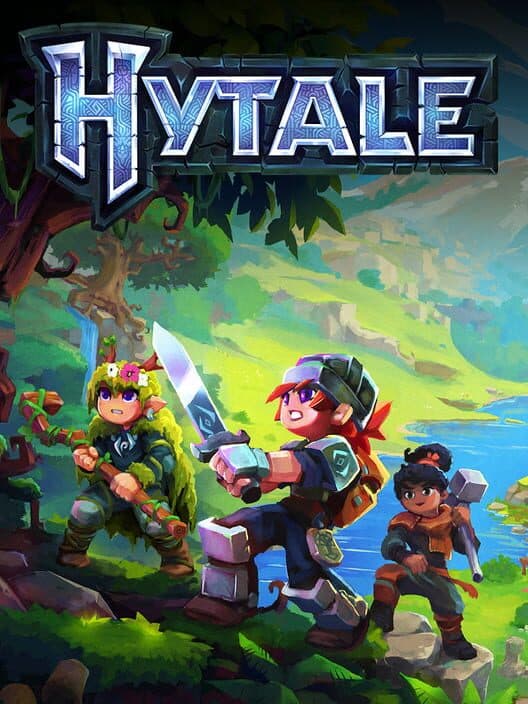
Hytale is worth it right now if you love cozy survival sandboxes and building, and you’re comfortable with an early-access work in progress. The core experience is carving out a base in a pretty voxel world, upgrading tools and armor, poking into dungeons, and gradually unlocking quality-of-life perks like teleporters and bigger backpacks. It’s especially good value if you enjoy Minecraft-style play but want more structure around crafting tiers and a richer toolbox for creating your own spaces or maps. What it asks from you is a willingness to set your own goals, accept some rough edges, and relax into a loop that’s more about comfort than adrenaline. In return, you get flexible sessions, forgiving difficulty, strong creative tools, and lots of room for solo or casual co-op. If you mainly want a tight, story-led campaign or demanding combat, you should probably wait for Adventure Mode and future balance updates. For builders and explorers, buying at full price is easy to justify; others might watch patches or wait for a sale.

Hypixel Studios • 2026 • Linux, PC (Microsoft Windows), Mac
Hytale is worth it right now if you love cozy survival sandboxes and building, and you’re comfortable with an early-access work in progress. The core experience is carving out a base in a pretty voxel world, upgrading tools and armor, poking into dungeons, and gradually unlocking quality-of-life perks like teleporters and bigger backpacks. It’s especially good value if you enjoy Minecraft-style play but want more structure around crafting tiers and a richer toolbox for creating your own spaces or maps. What it asks from you is a willingness to set your own goals, accept some rough edges, and relax into a loop that’s more about comfort than adrenaline. In return, you get flexible sessions, forgiving difficulty, strong creative tools, and lots of room for solo or casual co-op. If you mainly want a tight, story-led campaign or demanding combat, you should probably wait for Adventure Mode and future balance updates. For builders and explorers, buying at full price is easy to justify; others might watch patches or wait for a sale.
Best when you have 60–90 minutes after work and want a low-stress loop of exploring, looting a small dungeon, then relaxing with some base-building.
Great for a weekly co-op evening with one or two friends who enjoy splitting roles between gathering, crafting, and decorating without needing strict coordination or intense combat focus.
Ideal as a gentle side project over a few weeks when you’d like to slowly grow a single world, improving your base and gear bit by bit around real-life commitments.
Medium-length, highly flexible experience that fits well into 60–90 minute sessions, with easy saving and only modest friction when you return.
For a time-limited adult, Hytale is fairly accommodating. You can make real progress in an hour: a quick resource run, a small dungeon, or a meaningful base upgrade all fit neatly into a typical evening. Worlds autosave, you can exit almost anywhere, and solo play doesn’t require scheduling with others, so it’s easy to stop when real life interrupts. Over a few weeks of casual sessions, you’ll likely take a world from fragile startup camp to well-equipped home base and feel you’ve experienced the current build. The trade-off is that the structure is very loose. Without a main campaign, you decide when you’re “done” with a world, and some players may drift without a clear endpoint. Coming back after a break involves a brief reorientation—checking chests, workbenches, and maps to remember what you were doing—but the loop is simple enough that it reestablishes quickly. Co-op and servers can extend the game into a long-term hobby, but that’s optional rather than required.
Keeps you mildly engaged with planning and exploration, while allowing relaxed building segments where you can safely play on tired evenings.
Hytale asks for a moderate, steady level of attention rather than constant razor-sharp focus. In exploration and combat you’ll watch for cliffs, enemy windups, and resources, but encounters are forgiving enough that momentary lapses rarely ruin a run. A lot of your time is spent in low-pressure tasks like sorting chests, tending furnaces, and decorating or expanding your base, which you can comfortably do while a podcast runs or kids wander in and out of the room. The thinking here tends to be light planning rather than deep calculation. You’ll mentally track which workbench upgrade you’re aiming for, what materials you need, and which direction you plan to explore next, but you’re not constantly juggling intricate builds or timers. That mix makes it a good fit when you want something engaging but not exhausting. The main adjustment is remembering that because goals are self-chosen, you need to decide what you feel like doing before you drift into autopilot wandering.
Easy to pick up, with a satisfying but not life-consuming payoff for learning systems, routes, and better building habits.
Getting started in Hytale is straightforward, especially if you’ve played other block-based survival games. Within a couple of hours you’ll understand basic tools, crafting, and combat well enough to survive comfortably near spawn. From there, the learning curve slowly shifts toward understanding how workbench tiers, Memories, ore distribution, and Ancient Gateways connect. It takes a few relaxed evenings—not months—to feel like you “get” the core systems. Improving your skills brings noticeable rewards, but not in a sweaty, high-stakes way. Knowing efficient mining routes, recognizing biome patterns, and organizing your base intelligently all shorten time-to-fun. Learning how to design stronger or prettier structures can make your world feel uniquely yours. Combat mastery matters less right now because difficulty is low; you won’t need perfect dodging just to progress. For busy adults, this is a nice balance: the game rewards attention and experimentation, but you don’t have to treat it like a second job to see that payoff.
Generally calm and low-stress, with only mild tension spikes in dungeons or new biomes and very gentle punishment for failure.
Emotionally, Hytale sits firmly on the relaxing side of the spectrum. Most of your time is spent in cozy loops of gathering, crafting, and decorating, with bright visuals and gentle music softening any sense of pressure. Even in combat, enemies usually telegraph attacks clearly and default tuning is mild, so your heart rate rarely spikes. Death penalties are configurable and often light, meaning a mistake is more of an “oops” than a stomach-dropping disaster. Dungeons and unfamiliar regions can add a little good stress: you’ll watch your health, scan for threats, and feel some nerves when you first dive into the unknown. But those peaks are brief and manageable, not the relentless tension of horror games or hardcore survival. For a tired adult at the end of the day, this balance is helpful—you get enough excitement to stay engaged without feeling wrung out afterward. If you crave punishing difficulty or nail-biting risk, you’ll likely find the current build too gentle.
Games with a similar rhythm and feel, even if they look different