Powered by IGDB•Privacy•Terms

© 2026 Slated.gg

Slated.gg
Popular GamesAbout

Project Zomboid

The Indie Stone • 2013 • Linux, PC (Microsoft Windows), Mac
Rewarding skill growthStrategic thinkingFreedom to experiment

Is Project Zomboid Worth It?

Project Zomboid is absolutely worth it if you want a deep, unforgiving survival sandbox that can anchor several weeks of evening play. It’s less appealing if you need a relaxed, story-led experience. The game shines when you enjoy planning, tension, and the satisfaction of gradually turning chaos into stability. In return, it asks you to tolerate frequent early deaths, learn opaque systems, and live with the risk of losing hours of progress to a bad decision. At its best, it offers some of the strongest “I earned this” moments in the genre: finally securing a base, getting your first working car, or surviving your first winter. Sessions are flexible, so it fits a busy schedule surprisingly well, even if the overall arc is long. At its normal price, it’s an easy recommendation for fans of survival games and emergent stories. If you’re on the fence about tension, gore, or repetition, it’s a solid “wait for sale.” If you hate losing progress or just want a comfy narrative adventure, you should probably skip it.

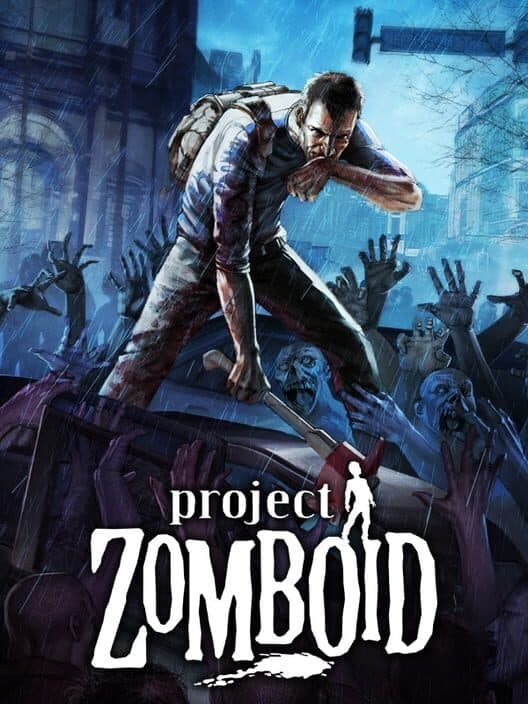
Project Zomboid cover art

Project Zomboid

The Indie Stone • 2013 • Linux, PC (Microsoft Windows), Mac

Rewarding skill growthStrategic thinkingFreedom to experiment

Is Project Zomboid Worth It?

Project Zomboid is absolutely worth it if you want a deep, unforgiving survival sandbox that can anchor several weeks of evening play. It’s less appealing if you need a relaxed, story-led experience. The game shines when you enjoy planning, tension, and the satisfaction of gradually turning chaos into stability. In return, it asks you to tolerate frequent early deaths, learn opaque systems, and live with the risk of losing hours of progress to a bad decision. At its best, it offers some of the strongest “I earned this” moments in the genre: finally securing a base, getting your first working car, or surviving your first winter. Sessions are flexible, so it fits a busy schedule surprisingly well, even if the overall arc is long. At its normal price, it’s an easy recommendation for fans of survival games and emergent stories. If you’re on the fence about tension, gore, or repetition, it’s a solid “wait for sale.” If you hate losing progress or just want a comfy narrative adventure, you should probably skip it.

When is Project Zomboid at its best?

When you have a focused 60–90 minutes in the evening and want a tense, thoughtful survival run where one supply trip or building project feels like a complete mini-story.

On a weekend night when a reliable friend can join voice chat and you both enjoy planning safehouses, coordinating risky town raids, and laughing together when meticulous plans inevitably fall apart.

During a stretch where you’d rather commit to one deep game for several weeks, slowly developing a single world and survivor instead of bouncing between short, easily finished titles.

What is Project Zomboid like?

Commitment

Fits well into repeated 60–90 minute sessions, but expects a multi‑week relationship if you want to see a full survivor arc.

MODERATE

Project Zomboid is flexible per session but demanding over the long haul. Thanks to pause-anytime and save-anywhere behavior in single-player, it’s easy to squeeze in a run after work, handle a real-life interruption, and stop once your character is safe and fed. Natural stopping points—end of an in‑game day, return from a supply run, finishing a construction task—show up regularly within 60–90 minutes. Where it asks more is in overall commitment. There’s no explicit ending, so a satisfying arc usually means sticking with one world over many evenings until you’ve stabilized a survivor, built up a real base, and lived through key milestones like power shutting off. Coming back after a long break can feel rough; you’ll need time to remember plans, stashes, and controls. It’s best treated as a “main game” for a few weeks, rather than something you dip into once a month.

Tips

  • Aim to finish one in-game day
  • End sessions safely back at base
  • Prefer single-player for flexible pausing

Focus

Asks for steady, thoughtful attention and planning, with little room to multitask even though the action itself moves at a deliberate, methodical pace.

HIGH

Playing Project Zomboid feels like driving in heavy fog: you’re not going fast, but you can’t afford to stop paying attention. You’re constantly tracking your surroundings, noise, line-of-sight, and escape routes while also juggling hunger, fatigue, wounds, and inventory weight. None of this is twitchy, but it’s mentally busy. A typical session mixes tense, slow advances through backyards and alleys with quieter base maintenance—sorting containers, cooking, or reading skill books. Even those calmer stretches still require you to think about what tomorrow’s run will need. You can pause freely in single-player, but when the game is unpaused you really shouldn’t be glancing at your phone or a second screen. Zombies approach slowly but relentlessly; losing track of one outside a window or behind a fence is how surprise bites happen. If you like games that keep your mind actively engaged without demanding lightning-fast fingers, this sits in that sweet spot—absorbing, methodical, and very hard to truly play on autopilot.

Tips

  • Plan your route before looting
  • Pause often to scan surroundings
  • Limit distractions during town trips

Mastery

Takes a while to grasp, but once it clicks, your growing expertise transforms every run and makes survival feel legitimately earned.

HIGH

Project Zomboid has the kind of learning curve where your first hours feel brutal and slightly bewildering, but your later runs feel almost like a different game. At the start, you’re fighting unfamiliar controls, opaque systems, and a world that happily kills you for small mistakes. Over time you internalize how zombies move, how sound works, how to clear buildings safely, and how to structure a base so daily life gets easier. Reaching basic competence takes real commitment—expect many short-lived survivors while you absorb lessons the hard way. But that effort pays off. Once you understand the systems, your survivors live longer, your plans become bolder, and the game opens up into mid‑ and late‑game projects like farming, vehicle fleets, and large-scale construction. If you enjoy feeling your own skill and knowledge meaningfully change what’s possible, this game delivers strongly on that front, while still letting you play at a measured, thoughtful pace.

Tips

  • Watch a short beginner guide first
  • Practice combat on tiny zombie groups
  • Specialize skills instead of doing everything

Intensity

Builds a constant hum of tension with sharp spikes of panic, backed by harsh consequences when you overreach or lose focus.

HIGH

This is not a relaxing apocalypse. Project Zomboid’s mood is slow but heavy, with long stretches of nervous creeping punctuated by sudden alarms, broken glass, or a horde turning the corner. Knowing that a single mistake can end a beloved survivor cranks up the emotional stakes far beyond casual zombie brawlers. Even routine supply runs carry that “if this goes bad, I lose everything” energy. The difficulty isn’t about perfect combos or superhuman timing; it’s about pressure. Managing wounds, infections, and fatigue while trying to finish just one more building or house raid keeps your shoulders tight and your pulse up. When a plan unravels—a car won’t start, an alarm attracts a horde, a missed swing leads to a bite—the emotional crash is real. You can lower the stress by tweaking sandbox settings, but the default experience is intentionally intense. It’s best when you’re in the mood for a tense, demanding game night, not when you want a gentle wind‑down.

Tips

  • Start on gentler sandbox settings
  • Accept early deaths as learning
  • Take breaks after close calls

Frequently Asked Questions

You Might Also Like

Games with a similar rhythm and feel, even if they look different
Vintage Story game cover art
Rewarding skill growthFreedom to experiment

Vintage Story

Commitment
HIGH
Focus
MODERATE
Mastery
MODERATE
Intensity
MODERATE
Dragon's Dogma II game cover art

Dragon's Dogma II

Commitment
MODERATE
Focus
MODERATE
Mastery
MODERATE
Intensity
MODERATE
Terraria game cover art
Freedom to experimentExploration-focused

Terraria

Commitment
MODERATE
Focus
MODERATE
Mastery
MODERATE
Intensity
MODERATE
Elden Ring: Shadow of the Erdtree game cover art
Rewarding skill growthExploration-focused

Elden Ring: Shadow of the Erdtree

Commitment
HIGH
Focus
HIGH
Mastery
MODERATE
Intensity
HIGH
Subnautica game cover art
Freedom to experimentExploration-focused

Subnautica

Commitment
MODERATE
Focus
HIGH
Mastery
MODERATE
Intensity
MODERATE
Valheim game cover art
Freedom to experimentExploration-focused

Valheim

Commitment
MODERATE
Focus
MODERATE
Mastery
MODERATE
Intensity
MODERATE
← Back to Home