505 Games • 2016 • Xbox Series X|S, PlayStation VR2, PlayStation 4, Nintendo Switch 2, PlayStation VR, PC (Microsoft Windows), SteamVR, PlayStation 5, Mac, Oculus Rift, Xbox One
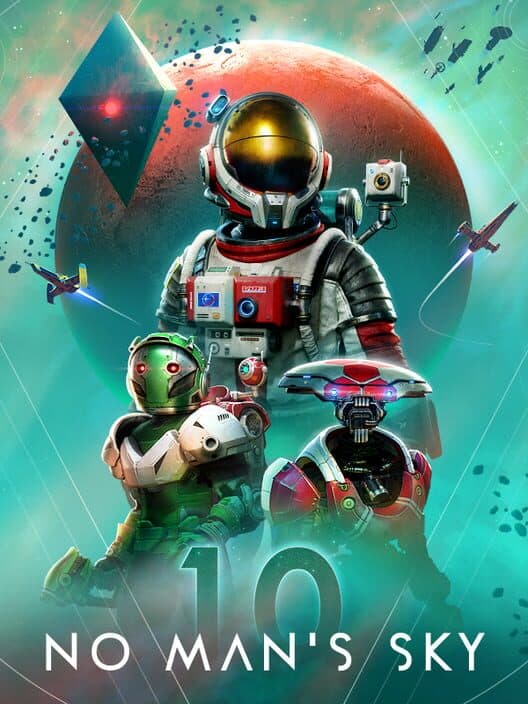
No Man's Sky
505 Games • 2016 • Xbox Series X|S, PlayStation VR2, PlayStation 4, Nintendo Switch 2, PlayStation VR, PC (Microsoft Windows), SteamVR, PlayStation 5, Mac, Oculus Rift, Xbox One
Is No Man's Sky Worth It?
Yes, No Man's Sky is worth it if you want a relaxed game built around curiosity, steady upgrades, and self-set goals. Its best trick is making an ordinary evening feel satisfying: land on a strange planet, scan a few lifeforms, improve your ship or base, and log off with real progress. The current version offers a huge amount in one purchase, and it respects short sessions better than many survival sandboxes. Buy at full price if that loop sounds soothing and you enjoy making your own checklist. Wait for a sale if you like space settings but need stronger handcrafted variety or more exciting combat to stay hooked. Skip it if you want tight story pacing, sharp action, or constant novelty from every new area. What it asks from you is patience with menus, inventory clutter, and a slightly messy early learning phase. What it gives back is wonder, freedom, and one of the best low-pressure exploration routines around.
What is No Man's Sky like?
Opinions of No Man's Sky
What Players Love
- Players Love
Exploration atmosphere and scale keep pulling players forward
Players consistently praise the seamless trip from space to planet, the soundscape, and the one-more-world curiosity that makes routine travel feel special.
- Players Love
Low-pressure progression makes great nightly routine play
Scanning, upgrading gear, improving a base, and chasing a better ship create satisfying short-session progress without needing sharp combat skill.
Common Concerns
- Common Concern
Procedural variety can fade after the early wonder
Many players say planets, creatures, and locations start feeling more cosmetically different than mechanically fresh once the first big wave of discovery fades.
- Common Concern
Inventory and menus often break the exploration flow
Even fans mention too much time spent sorting storage, feeding refiners, and juggling materials when they would rather be traveling or building.
- Common Concern
Combat works, but rarely becomes the main attraction
Ground fights and ship battles are usually seen as functional side activities. They add variety and danger, but few players stay for combat alone.
Divisive Aspects
- Divisive
Open-ended freedom feels liberating or aimless depending on taste
Players who enjoy setting personal goals often find the looseness relaxing. Those wanting strong direction can lose momentum once the universe opens up.
What does No Man's Sky demand from you?
Time
MODERATETime
It fits 60 to 90 minute sessions well, but it works best if you enjoy setting your own goals and leaving clear breadcrumbs for later.
Focus
MODERATEFocus
Most evenings ask for steady light-to-medium attention: tracking fuel, hazards, and inventory while you wander, with short bursts of piloting or combat.
Challenge
MODERATEChallenge
Easy to start but slower to feel organized; the real hurdle is learning how the many small systems fit together.
Intensity
LOWIntensity
Usually calming rather than nerve-racking, with brief spikes from storms, pirates, and sentinels that fade once you reach your ship or safe ground.
Frequently Asked Questions
You Might Also Like
Games with a similar rhythm and feel, even if they look different