hello@slated.gg
Powered by IGDB•Privacy•Terms

© 2026 Slated.gg

Slated.gg
Popular GamesAboutDiscover Games
Stage Fright

Hello Games • 2027 • Nintendo Switch 2, PC (Microsoft Windows), Nintendo Switch
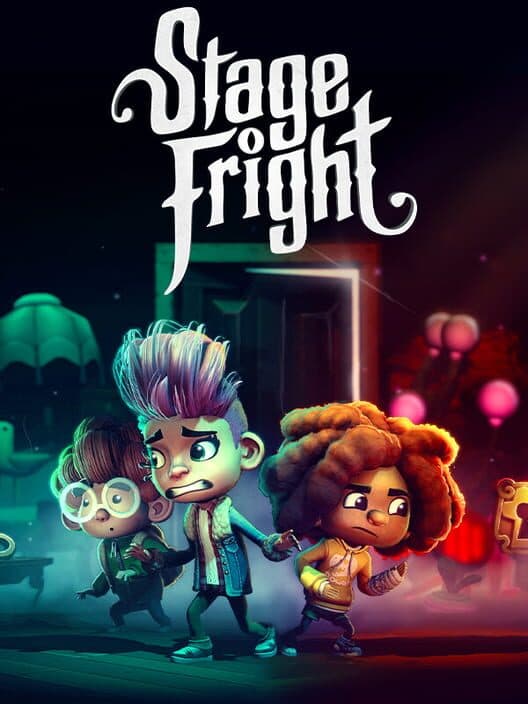
Satisfying to completeCouch co-opEasy to enjoy together
Stage Fright cover art

Stage Fright

Hello Games • 2027 • Nintendo Switch 2, PC (Microsoft Windows), Nintendo Switch

Satisfying to completeCouch co-opEasy to enjoy together

Is Stage Fright Worth It?

Stage Fright looks worth it if you already have a reliable co-op partner and you love talking through puzzles together. Its biggest appeal is not spectacle or grind. It is the promise of a purpose-built two-player mystery where progress comes from comparing clues, solving room-sized problems, and laughing through small spikes of chaos. That could be a great fit if you liked the partner dependence of It Takes Two or the shared panic of Overcooked, but want something slower, spookier, and less dexterity-heavy. The catch is confidence. As of this analysis, official pages still treat it as unreleased, so there are no user reviews, no verified runtime, and no hard proof yet on checkpoint generosity or pause behavior. If you trust Ghost Town and know exactly who you'll play with, full price could make sense. If you want confirmation on puzzle quality, technical polish, or length, wait for reviews or a sale. Skip it if you mainly play alone or want constant action instead of communication-first co-op.

What is Stage Fright like?

Opinions of Stage Fright

What Players Love

  • Players Love

    Built-for-two co-op is the biggest early selling point

    Early interest focuses on how rare it is to get a game designed around exactly two players, whether you are sharing a couch or solving rooms together online.

  • Players Love

    Lower dexterity focus makes the puzzles feel inviting

    The promise of communication and clue-solving over fast hands is landing well with players who want teamwork and problem-solving, not precision-heavy execution.

  • Players Love

    Spooky without going full horror is landing well

    The mix of eerie mystery, mild peril, and playful charm looks appealing to people who want atmosphere and tension without the weight of harsh horror.

Common Concerns

  • Common Concern

    Lack of release details creates real buyer hesitation

    With no user reviews, no verified runtime, and inconsistent release wording across current pages, the biggest concern is uncertainty rather than a clear quality problem.

Divisive Aspects

  • Divisive

    The slower mystery pivot may split Overcooked fans

    Some people are excited by the calmer, longer-form direction, while others may miss the instant timer chaos they associate with Ghost Town's earlier work.

What does Stage Fright demand from you?

Time

LOW

Time

Best with one reliable partner in 60-90 minute chunks, with a likely one-campaign finish line instead of an endless long-term grind.

LOW

Stage Fright appears to be a contained shared project, not a lifestyle game. The likely sweet spot is regular 60 to 90 minute sessions with one reliable partner, working through rooms and story beats until the mystery is resolved. That is good news if you want a clear finish line. You are probably signing up for one main campaign, not months of upkeep, ranked grind, or endless loot chasing. The catch is that its schedule friendliness depends less on raw length and more on coordination. Because the whole design is built around two-person play, your free time and your partner's free time both matter. Checkpoints and chapter breaks should help, but coming back after a gap will likely require a recap of both the story and whatever puzzle state you left behind. So the game asks for planned hangout energy more than marathon hours, and in return it offers a memorable co-op journey you can actually finish. If you have a dependable teammate, that sounds great. If your schedule is chaotic or you mostly play solo, the commitment may feel bigger than the runtime suggests.

Tips
  • Set aside sessions long enough to finish a room or chapter, since mid-puzzle exits may feel awkward with checkpoint saving.
  • Try to play with the same partner throughout; shared context will matter more than raw skill.
  • If you return after a week off, spend five minutes recapping the story and the last unsolved clue before moving.

Focus

MODERATE

Focus

This is steady talk-and-think play: not brutally twitchy, but hard to half-watch because clues live across two screens and both players matter.

MODERATE

Stage Fright looks like the kind of co-op game where talking is half the play. One person notices a symbol, the other spots a matching door, and progress comes from comparing what each screen is showing in real time. That means it asks for steady attention even when the controls themselves are not especially demanding. You are not wrestling with combo inputs or high-speed aiming, but you are listening, describing, remembering clues, and reacting when a room suddenly turns into a short obstacle sequence. In practice, that should feel less like Overcooked's nonstop scramble and more like an escape room with occasional bursts of motion. The trade is simple: it asks you to be present and verbally engaged, and in return it gives you those great shared "wait, I think I see it" moments. If you're hoping to play while half-watching TV or answering messages, this probably won't cooperate. If you enjoy thinking out loud with another person, it could be a sweet spot.

Tips
  • Use voice chat or sit close together so clue callouts stay short, clear, and fast during rooms with split information.
  • When stuck, stop roaming and describe your whole screen systematically: symbols, colors, directions, and anything that looks interactable.
  • Treat each room like an escape room, not a scavenger hunt; compare what each player sees before trying random switches.

Challenge

MODERATE

Challenge

Easy to start, trickier to coordinate well; the real test is clear communication and shared problem-solving, not perfect hands or punishing execution.

MODERATE

This looks approachable to learn but more interesting to coordinate well. The likely barrier is not fast hands. It is getting two people to share information clearly, agree on a plan, and stay calm when a room stops being a quiet puzzle and becomes a short action beat. Most players should understand the basic controls and structure quickly, especially if Ghost Town follows through on its accessibility-first pitch. The harder part comes later, when clues are split across two viewpoints and each person assumes the other noticed the important detail. In that sense, the real skill is communication discipline. The game asks you to talk precisely, listen closely, and adjust after failed attempts, then rewards you with satisfying breakthroughs instead of brute-force mastery. Compared with Overcooked, it seems less about raw speed. Compared with It Takes Two, it may lean a little more toward room logic and coordinated observation. If your pair enjoys escape rooms, this challenge should feel inviting rather than hostile.

Tips
  • Agree on simple callout words for left, right, shapes, and colors so both players mean the same thing under pressure.
  • After a failed attempt, spend thirty seconds identifying the actual misunderstanding before jumping back in.
  • If one player tends to dominate, alternate who leads the room so both people actively process clues.

Intensity

LOW

Intensity

Expect light spooky pressure and short bursts of panic, then relief and laughter once a room clicks or a mistimed sequence resets cleanly.

LOW

The mood looks more playful-suspenseful than scary. Expect mild eerie scenes, the occasional timed sequence, and that familiar co-op spike where both players realize they need to act now. Then just as quickly, the pressure should fall away into laughter, a clean retry, or a satisfying puzzle breakthrough. That makes it a good fit for people who like a little adrenaline without wanting a full horror experience or a punishing action gauntlet. The game seems to ask for comfort with short bursts of stress and the occasional spooky image, then pays that back with relief, momentum, and a feeling of solving problems together under pressure. Mistakes also look likely to be low-cost, which matters a lot. Failure should sting for a moment, not ruin your night. If you're very sensitive to eerie tone, late-night play may still feel tense. But if you enjoy a light shiver and some good-natured chaos with a partner, this should lean more fun than exhausting.

Tips
  • If a timed section starts tilting the mood, take one reset to name roles out loud before trying again.
  • Play earlier in the evening if spooky imagery or partner pressure hits you harder when you're tired.
  • Expect short panic spikes, not a full horror marathon, and use chapter breaks to stop before frustration snowballs.

Frequently Asked Questions

Stage Fright looks easy to learn and medium to solve well. The controls and basic verbs should be friendly, especially since Ghost Town has said it wants lower dexterity demands than Overcooked. Most players will probably understand how to move, interact, and work together within the first hour or two. The real difficulty is in communication. One player may have the clue while the other has the mechanism, and timed sections can turn a simple idea into a messy coordination test. So this seems less hard than Overcooked at its most frantic, and far less punishing than anything built around combat mastery. It may land closer to It Takes Two or a co-op escape room: approachable moment to moment, but capable of making smart people feel silly when they misread each other. That also means it should be easier to start than it is to play cleanly. If you dislike talking constantly or get flustered by timed teamwork, it may feel harder than the raw controls suggest.

Expect roughly 8 to 12 hours for one full playthrough, with 10 to 15 hours more likely if your pair gets stuck on puzzles or likes exploring each area carefully. That estimate is provisional, not confirmed, because no official runtime is published yet and the game still lacks post-launch player data as of this analysis. The structure looks friendly to weeknight play. Most sessions will likely run 60 to 90 minutes and end at a chapter beat, a solved room, or the next story checkpoint. That makes it easier to chip away at than a huge open-ended game, even if it still asks you to coordinate with one other person. Replay value seems moderate rather than massive. You may want a second run with a different partner or to revisit favorite puzzle spaces, but the main payoff is probably the first full trip through the mystery. In other words, think contained co-op campaign, not endless hobby game.

Stage Fright looks mildly to moderately stressful, but in the good way for most players. The pressure seems to come from split-screen clue sharing, short timed obstacle sequences, and a spooky atmosphere that adds just enough edge to make puzzle solving feel exciting. It does not look like relentless horror, constant combat panic, or the sort of harsh failure loop that leaves you drained. A more accurate expectation is little bursts of "wait, do it now" followed by a quick reset, a laugh, and then a satisfying breakthrough when the plan works. That makes it easier to recommend for a relaxed evening than something built to keep your heart rate high all night. The main wildcard is your partner dynamic. If you enjoy talking things through, the stress should feel energizing. If miscommunication frustrates you quickly, the same moments may feel sharper. Late-night sessions might also make the eerie tone land harder. Overall, it looks more like playful pressure than bad stress.

No, Stage Fright does not look like a true solo game. Everything official describes it as a two-player experience built around cooperation, whether side by side or online. The whole hook is that each player brings different information to the puzzle, so removing one person would cut against the design rather than just make it slightly less fun. Unless a separate single-player mode is announced later, you should assume you need one consistent partner to get the intended experience. That also shapes how casual-friendly it feels. The runtime itself should be manageable, but spontaneous solo drop-ins are not really what this game is built for. If you and one friend or partner can line up regular 60 to 90 minute sessions, it could fit nicely into a busy week. If your schedule changes often or you mainly play alone, this will be much less convenient than a standard story game.

No. Everything currently public points to a normal one-time purchase with no pay-to-win systems at all. Official store pages do not mention boosters, paid power, battle passes, premium currencies, timed unlock tracks, or anything else that would let one player buy an advantage. That fits the kind of experience Stage Fright appears to be: a contained two-player adventure where the point is communication, puzzle solving, and shared progress through a story. Even if post-launch cosmetic extras ever appear, they would not change the core reality that success seems tied to teamwork and observation, not spending. The only caution is that the game is still pre-release at the time of this analysis, so monetization details are based on current store listings rather than a live product history. Still, there is no sign whatsoever of pay-to-win design, and this is one of the safer calls in the whole profile.

You Might Also Like

Games with a similar rhythm and feel, even if they look different
Explore more→
It Takes Two game cover art
Satisfying to completeRelaxing & low-pressure

It Takes Two

Time
LOW
Focus
MODERATE
Challenge
LOW
Intensity
LOW
Split Fiction game cover art
Easy to enjoy togetherCouch co-op

Split Fiction

Time
LOW
Focus
MODERATE
Challenge
MODERATE
Intensity
MODERATE
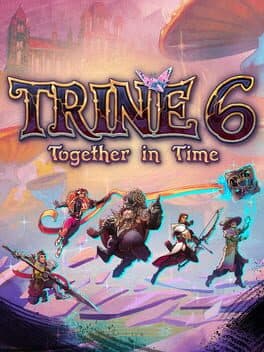
Trine 6: Together in Time game cover art
Satisfying to completeRelaxing & low-pressure

Trine 6: Together in Time

Time
LOW
Focus
MODERATE
Challenge
MODERATE
Intensity
LOW
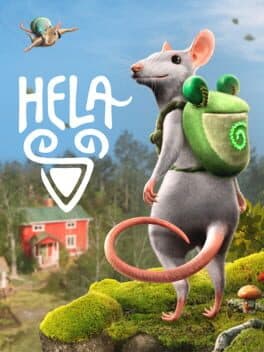
Hela: Of Mice & Magic game cover art
Satisfying to completeRelaxing & low-pressure

Hela: Of Mice & Magic

Time
LOW
Focus
MODERATE
Challenge
LOW
Intensity
VERY LOW
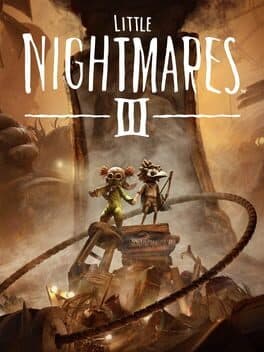
Little Nightmares III game cover art
Satisfying to completePerfect for a weekend

Little Nightmares III

Time
LOW
Focus
MODERATE
Challenge
LOW
Intensity
MODERATE
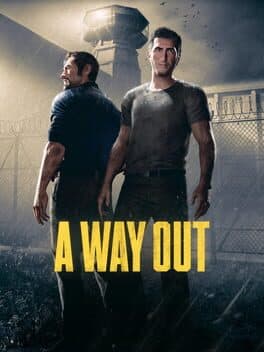
A Way Out game cover art
Easy to enjoy togetherCouch co-op

A Way Out

Time
LOW
Focus
MODERATE
Challenge
LOW
Intensity
LOW
← Back to Home