Focus Entertainment • 2025 • Xbox Series X|S, PC (Microsoft Windows), PlayStation 5
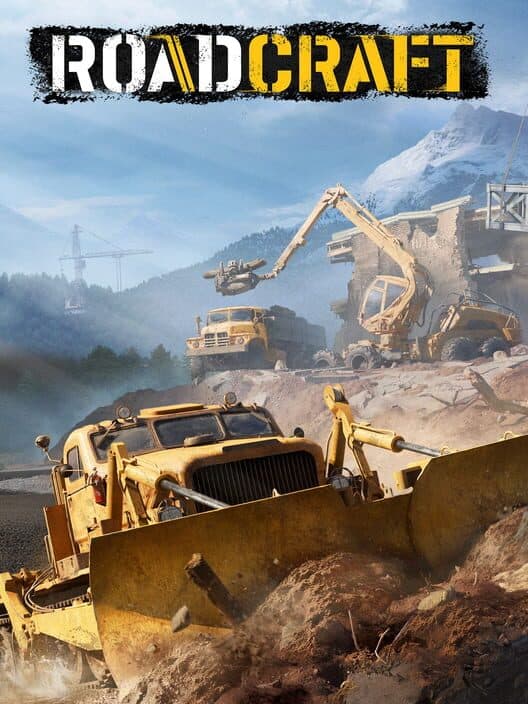
RoadCraft is worth it if you love slow, hands-on building and logistics and can treat a game like a long-term project. It shines for players who enjoy reading terrain, nudging heavy trucks through mud, and seeing a disaster zone gradually transform into a working road network. You’ll need patience: trucks move slowly, mistakes cost real time, and the autosave system can be unforgiving if you quit at the wrong moment. In return, it delivers a rare feeling of grounded accomplishment, as if you’ve actually built something that matters instead of just ticking off quests. Buy at full price if the idea of a 40–70 hour reconstruction campaign sounds appealing and you’re comfortable focusing on one main game for a while. Wait for a sale if you’re curious but unsure about the pacing or anxious about save issues. Skip it if you crave fast action, strong character-driven stories, or very short, drop-in sessions—you’ll likely bounce off the deliberate pace and long haul times.

Focus Entertainment • 2025 • Xbox Series X|S, PC (Microsoft Windows), PlayStation 5
RoadCraft is worth it if you love slow, hands-on building and logistics and can treat a game like a long-term project. It shines for players who enjoy reading terrain, nudging heavy trucks through mud, and seeing a disaster zone gradually transform into a working road network. You’ll need patience: trucks move slowly, mistakes cost real time, and the autosave system can be unforgiving if you quit at the wrong moment. In return, it delivers a rare feeling of grounded accomplishment, as if you’ve actually built something that matters instead of just ticking off quests. Buy at full price if the idea of a 40–70 hour reconstruction campaign sounds appealing and you’re comfortable focusing on one main game for a while. Wait for a sale if you’re curious but unsure about the pacing or anxious about save issues. Skip it if you crave fast action, strong character-driven stories, or very short, drop-in sessions—you’ll likely bounce off the deliberate pace and long haul times.
When you have a quiet evening and 60–90 minutes free, and you’re in the mood for a calm but mentally engaging building project instead of fast action.
When two or three friends want a long-term co-op game, happy to chat on voice while splitting roles and slowly restoring one battered region after another.
When you’re looking for a single flagship game to dip into for months, steadily progressing one huge campaign rather than bouncing between shorter, story-driven titles.
A long-haul, project-style game best for regular 60–90 minute sessions over many weeks, with some friction if you step away for too long.
RoadCraft asks you to treat it like an ongoing hobby project rather than a quick weekend fling. A satisfying run through several regions easily reaches 40–70 hours, and the full campaign can climb toward 100. Individual evenings, though, can be quite contained: in 60–90 minutes you’ll usually complete a road, stabilise a key convoy, or bring a facility online. The catch is its rigid autosave system and the need to remember your own sprawling road network. To protect progress, it’s wise to finish tasks or return to the hub before quitting, which makes truly tiny sessions less comfortable. Coming back after a long break also carries overhead as you re-learn what you were doing. On the plus side, the game is fully playable offline and co-op is optional, so you’re never waiting on matchmaking or schedules. If you can reliably carve out a couple focused evenings each week, it fits well; if your gaming is very sporadic, the friction will be noticeable.
A thinking-heavy, eyes-on-the-road experience where you plan big moves, then carefully drive and crane your way through long, deliberate execution phases.
RoadCraft keeps your attention on a steady simmer rather than a frantic boil. In a typical session you’ll start in the map screen, choosing contracts and sketching a mental route through hills, rivers, and debris. Then you drop into the driver’s seat and the work becomes very physical: watching how the truck leans on a slope, how the mud grabs at your tires, and whether your load is about to slide. You’re also thinking ahead about the construction pipeline—dumping sand where a grader and paver can actually reach it later. There’s no combat or quick-time events, so you’re rarely surprised, but you can’t safely zone out, especially on rough ground. Multitasking with a second screen is tough during active driving or crane work; it’s more feasible while idling at the hub or cruising on a well-built highway. Overall, it fits best when you have enough mental energy for a puzzle-like task and enjoy staying engaged with the screen for most of a session.
Takes a few evenings to click, but your growing understanding of terrain and vehicles pays off with noticeably smoother, faster projects.
RoadCraft isn’t instant pick-up-and-play, but it’s far from an opaque sim. The early hours teach steering heavy trucks, dumping materials, and running simple jobs. The real learning curve appears as more specialised vehicles and complex objectives arrive. You slowly absorb how sand, gravel, and asphalt behave on different slopes, where trucks tend to bog down, and how to design roads that both your grader and your convoys can handle. The controls for cranes and winching can feel awkward at first, but they become second nature with repetition. You don’t need to master every nuance to finish the campaign, especially on the standard ruleset, yet improving your skills makes an enormous difference. Routes that once took repeated attempts become straightforward, and you’ll find yourself preventing problems before they occur. For a busy adult, that means the game rewards sticking with it through the first 10–20 hours, then continues to feel better as your competence grows.
Mostly calm and methodical, with occasional spikes of frustration when a bad slope, timer, or tip-over forces you to redo long stretches.
Emotionally, RoadCraft sits closer to a quiet weekend project than an action movie. There are no enemies, jump scares, or dramatic boss fights. Instead, tension comes from the weight of your own work: a half-hour haul up a slippery hill, a delicate crane lift over a ravine, or a convoy test that might expose a flaw you missed. When something goes wrong—a truck flips, a road washes out, or a validation timer expires—it stings because you’re picturing the rework ahead, not because you died explosively. On default settings the game avoids harsh survival mechanics like fuel micromanagement, so everyday play feels demanding but fair. Optional modifiers can make things much harsher, but most busy adults won’t need them to feel engaged. Overall, expect low heart-rate, slow-burn pressure rather than adrenaline. It’s not ideal if you want instant catharsis after a bad day, but it is great when you’re in the mood for patient, purposeful effort.
Games with a similar rhythm and feel, even if they look different