Sony Interactive Entertainment • 2026 • PlayStation 5
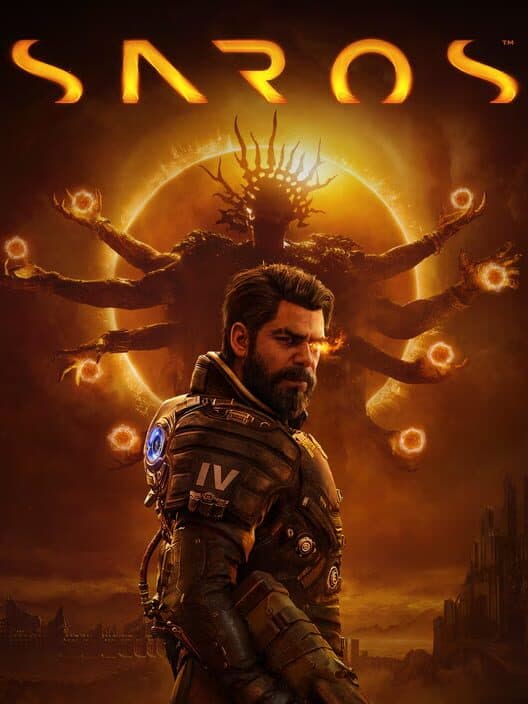
Based on preview coverage, Saros looks worth it if you want intense solo action that respects your time better than Returnal did. The big draw is the combat: fast arenas, readable projectile chaos, and a shield-to-power loop that seems built for that one-more-run feeling. What makes it especially appealing is that failed runs do not appear empty. Permanent upgrades, kept weapons, and later-biome access should help each session move either the story or your build forward. That makes full price sense for players who love demanding action games and want something cinematic, moody, and skill-based without a huge social or endless-grind commitment. I would wait for a sale if you like the atmosphere but usually bounce off repetition, boss retries, or high-pressure combat. I would skip it if you want a laid-back weeknight game or dislike learning through repeated encounters. If the final release lands close to the preview material, Saros looks like a strong buy for players who want challenge with better momentum than Housemarque's last game.

Sony Interactive Entertainment • 2026 • PlayStation 5
Based on preview coverage, Saros looks worth it if you want intense solo action that respects your time better than Returnal did. The big draw is the combat: fast arenas, readable projectile chaos, and a shield-to-power loop that seems built for that one-more-run feeling. What makes it especially appealing is that failed runs do not appear empty. Permanent upgrades, kept weapons, and later-biome access should help each session move either the story or your build forward. That makes full price sense for players who love demanding action games and want something cinematic, moody, and skill-based without a huge social or endless-grind commitment. I would wait for a sale if you like the atmosphere but usually bounce off repetition, boss retries, or high-pressure combat. I would skip it if you want a laid-back weeknight game or dislike learning through repeated encounters. If the final release lands close to the preview material, Saros looks like a strong buy for players who want challenge with better momentum than Housemarque's last game.
Preview coverage keeps praising the shield-absorb loop, clear projectile reads, and boss fights that turn chaos into a learnable rhythm instead of visual clutter.
One camp loves the idea of tuning the pressure to actually finish the story. Another worries too much flexibility could soften the sharp edge that defines Housemarque's style.
Biome teleports, kept weapons, permanent currencies, and Second Chance features are widely seen as smart fixes for the time-loss frustration of harsher run-based games.
Hands-on reactions often point to the stronger character presence, hub conversations, and more direct story hook as welcome reasons to keep pushing between tough fights.
Preview coverage keeps praising the shield-absorb loop, clear projectile reads, and boss fights that turn chaos into a learnable rhythm instead of visual clutter.
Biome teleports, kept weapons, permanent currencies, and Second Chance features are widely seen as smart fixes for the time-loss frustration of harsher run-based games.
Hands-on reactions often point to the stronger character presence, hub conversations, and more direct story hook as welcome reasons to keep pushing between tough fights.
One camp loves the idea of tuning the pressure to actually finish the story. Another worries too much flexibility could soften the sharp edge that defines Housemarque's style.
This looks built for regular hour-long pushes: strong stop points, full pause, solo play, and a moderate path to the ending.
For a busy schedule, Saros looks more workable than its tone first suggests. Preview estimates point to roughly 12 to 20 hours for a straightforward run to the ending, with 20 to 30 or more if you spend extra time on side content, reruns, or tougher fights. The structure should help: sessions appear to revolve around a central hub, a chosen biome, a clear main path, and strong stop points after bosses or deaths. Full pause support is a big plus if life interrupts. The catch is that save control seems limited, so you may be able to stop safely at any moment but not always create a clean manual bookmark exactly where you want. It is also very easy to play alone. There are no group schedules or social obligations to manage. Coming back after a week away should be manageable thanks to clear objectives and the hub layout, though you may need a few fights to shake off rust. Overall, this seems built for regular 60 to 90 minute sessions, not marathon weekends.
Most sessions want locked-in attention, quick reactions, and constant pattern reading, with light route planning between fights instead of heavy long-form strategy.
Saros looks like the kind of game that wants your eyes, hands, and brain all at once. Most of a normal session seems built around fast third-person firefights where you read projectile patterns, dash through gaps, absorb certain shots with your shield, and decide when to cash that energy in for a heavier hit. That means you probably cannot half-watch TV or answer a few texts during active play. The good news is the thinking here does not seem like spreadsheet planning. It is mostly sharp, in-the-moment reading, plus a lighter layer of route and upgrade judgment in the hub and on side paths. For the right player, that trade feels great: Saros asks for real concentration, then pays it back with that locked-in flow state Housemarque is known for. If you like learning enemy rhythms and reacting cleanly under pressure, it should feel exciting rather than exhausting. If you want something you can play while mentally checked out, this will probably feel demanding fast.
The basics seem readable, but real comfort comes from repeated runs, better timing, and learning when to push risk for reward.
Saros looks demanding, but not needlessly obscure. The basic move set seems readable on paper: dash, shoot, shield, absorb, parry, spend energy, repeat. The real hurdle is doing all of that smoothly in the middle of busy arenas, while learning which enemies ask for aggression, which ask for patience, and when an optional risk is actually worth taking. That usually means the first several hours are about building muscle memory more than decoding hidden systems. Compared with Returnal, this seems friendlier because failed runs still feed permanent growth and later-biome access should cut down on wasted time. That makes the learning process less brutal, even if boss fights and projectile-heavy rooms still expect real improvement from you. In other words, Saros appears easier to stick with than the harshest action games, but not easy in a casual, breezy sense. If you enjoy slowly feeling a combat system click, that climb could be one of its biggest rewards.
Expect a steady pulse of pressure: grim atmosphere, dangerous arenas, and bosses that feel thrilling once they click, but rarely calm.
This looks tense more often than it looks relaxing. The mood is grim, the world seems soaked in cosmic dread, and the combat design pushes pressure through dense projectile fire, multi-phase bosses, and corruption effects that can shrink your health ceiling if you take the wrong hits. That is the kind of setup that can raise your heart rate even when you understand the rules. The upside is that Saros does not appear built purely to punish. Preview material points to permanent upgrades, revive-style safety nets, and optional risk settings that let you push harder when you want better rewards. So the feeling is less hopeless terror and more serious action with consequences. It should deliver the thrill of surviving a bad-looking fight and turning chaos into control. Still, this is probably a poor fit for nights when you want to fully unwind. The tone, pace, and stakes seem designed to keep you alert, not cozy.
Games with a similar rhythm and feel, even if they look different