hello@slated.gg
Powered by IGDB•Privacy•Terms

© 2026 Slated.gg

Slated.gg
Popular GamesAboutDiscover Games
Romancing SaGa 3: Destinies United

Square Enix • 2027 • Xbox Series X|S, Nintendo Switch 2, PC (Microsoft Windows), PlayStation 5, Nintendo Switch
Rewarding skill growth
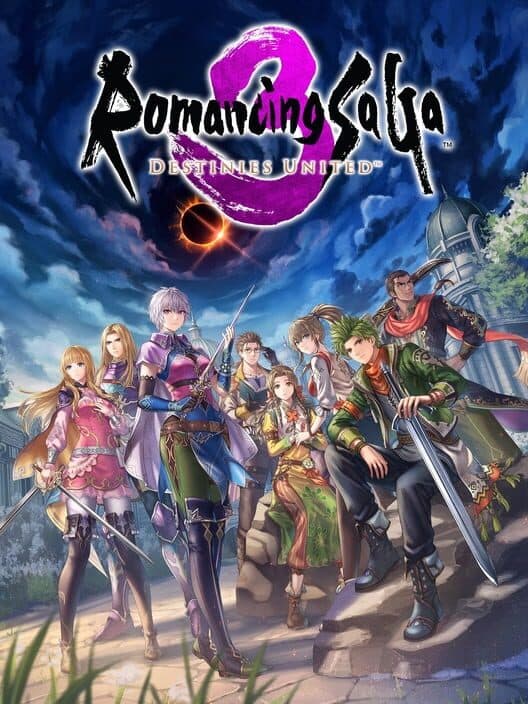
Romancing SaGa 3: Destinies United cover art

Romancing SaGa 3: Destinies United

Square Enix • 2027 • Xbox Series X|S, Nintendo Switch 2, PC (Microsoft Windows), PlayStation 5, Nintendo Switch

Rewarding skill growth

Is Romancing SaGa 3: Destinies United Worth It?

Based on current prerelease information, it looks worth it if you want a slower, more open-ended turn-based adventure where building a party and choosing your route matters as much as the main plot. Its biggest strength is ownership. Picking one of eight heroes, finding allies, and watching new techniques spark should make your run feel personal instead of prewritten. The catch is that freedom usually comes with less hand-holding. If the remake keeps the old SaGa flavor, you'll need patience for fuzzy directions, menu tinkering, and the occasional 'I should regroup first' night. Buy at full price if you already enjoy system-heavy role-playing games, liked past SaGa games, or love the idea of one 30 to 45 hour run that can later turn into replays with new heroes. Wait for a sale if you're curious but prefer clearer signposting and cleaner pacing. Skip it if you want a tightly guided story, quick early payoff, or a game you can leave untouched for weeks without losing the thread.

What is Romancing SaGa 3: Destinies United like?

Opinions of Romancing SaGa 3: Destinies United

What Players Love

  • Players Love

    Fans are thrilled this unusual classic is getting a full remake

    Early reactions are strongly positive about the jump to full 3D, added voice acting, and modern options. For longtime fans, it feels like overdue preservation done at real scale.

Common Concerns

  • Common Concern

    Players worry the remake may still feel cryptic to navigate

    A common concern is that story flow and event triggers may remain hard to read without outside help. People want clearer signposting than the original was known for.

Divisive Aspects

  • Divisive

    Eight protagonists excite some players and worry others about repetition

    The multi-hero structure sounds like great replay value, but some players question how different each route will feel and whether one run already tells the main story well.

  • Divisive

    The new visual direction is already splitting early reactions

    Some players love seeing the world rebuilt in 3D, while others miss older SaGa art sensibilities. It is a real style preference issue, not a universal complaint.

What does Romancing SaGa 3: Destinies United demand from you?

Time

MODERATE

Time

A full run looks like a month-long evening game, but single sessions stay flexible thanks to full pause, save-anywhere support, and self-chosen stopping points.

MODERATE

This is a sizable evening game, but it is not a lifestyle commitment. One full run with a single hero looks like the satisfying target for most people, and current information points to roughly 30 to 45 hours for that first clear. That's long enough to live with for a few weeks, not so long that you must treat it like your only game for months. Better still, individual sessions seem flexible. You can likely pause anytime, save freely, finish a town thread, or stop after a dungeon chunk without wasting the night. The real time ask is less about any one session and more about continuity. This adventure seems happiest when you play regularly enough to remember your party plan and current destination. Take a long break, and getting your bearings may take a little work. The trade is worth it if you enjoy building momentum through your own choices. It asks for steady check-ins and light memory support. In return, it gives you a solo journey that feels shaped by your decisions instead of by a rigid checklist. Replays look tempting, but one good run should already feel complete.

Tips
  • Plan sessions around one town thread or one dungeon chunk, not a huge nightly goal; the game feels better in deliberate bites.
  • Before quitting, save near a hub and write down the next target; re-entry is much easier when your future self has a clear starting point.
  • If you bounce off for a week, spend five minutes in menus first and rebuild context before heading straight into a boss or late dungeon.

Focus

MODERATE

Focus

Mostly brain-on rather than twitchy, with plenty of party planning and route choices. You can pause often, but the game rewards remembering your longer-term plan.

MODERATE

This asks for steady attention, not fast hands. In a typical night, you're reading party roles, checking formations, watching enemy lines, deciding whether a new tech spark is worth leaning into, and choosing which town or dungeon lead to follow next. Because battles are turn-based and full pause is available, the game is kinder to interruption than most big adventures. You can step away when life happens. What you can't do as easily is drift. The loose structure means the game rewards remembering your longer-term plan: why this character is in your party, what this formation is protecting, and which clue or route you meant to test next. The trade is strong if that sounds appealing. It asks you to stay mentally present and keep a light model of your run in your head. In return, even ordinary sessions can feel thoughtful and personal. A good hour is not about reaction speed. It's about seeing a party plan come together, spotting a smarter route, or realizing a tough fight has a cleaner answer than raw grinding.

Tips
  • Keep a simple note with your current destination, party goal, and best formation; it cuts down the 'what was I doing?' problem.
  • When a new technique sparks, pause and check whether it changes a character's job instead of blindly keeping old gear and formation slots.
  • Treat ordinary battles as scouting, not autopilot; watching enemy rows and damage spread teaches you which formations actually fit your party.

Challenge

MODERATE

Challenge

Easy controls hide a system set that takes time to click. Once formations, tech sparks, and party roles make sense, battles feel far more rewarding.

MODERATE

This looks easier to operate than to truly understand. You'll probably grasp the basic buttons quickly, but real comfort comes later, once formations, tech sparks, party roles, route choice, and the remake's battle flow start making sense together. That means the opening hours may feel a little strange even if battles are technically simple. The game is asking you to learn its language, not just its controls. The upside is that the learning seems meaningful rather than purely punishing. Difficulty settings, pause support, and likely very flexible saving should let you test ideas without losing huge chunks of progress. At the same time, this still appears to keep some of SaGa's famous opacity. You may need a few sessions before you understand why one build works and another stalls out. In return, improvement should feel real. When you stop guessing and start seeing how a party fits together, the whole adventure likely opens up. That sense of finally 'getting it' is a big part of the reward here.

Tips
  • Pick a clear job for each party member early like tank, mage, or fast damage dealer; mixed roles make the game harder to read.
  • Experiment with formations on purpose after tough fights; they often fix survivability problems faster than grinding a few more battles.
  • Do not chase every side lead at once; following one thread until it resolves helps the rules click faster.

Intensity

MODERATE

Intensity

Pressure comes from uncertainty and boss checks, not speed. Expect steady strategic tension with occasional frustration when thin guidance or weak builds slow progress.

MODERATE

The pressure here looks moderate and mostly inward. This is not the kind of game that chases you, overwhelms you with noise, or demands split-second survival. Instead, it creates a quieter tension: wondering if your group is ready for the next dungeon, feeling a boss expose a weak formation, or realizing you may have followed a lead before your party was ready. Because you can stop, think, and often save, the moment-to-moment feeling should stay calmer than action-heavy adventures. What it asks for is patience with uncertainty and the occasional setback. What it gives back is the satisfying kind of stress that comes from solving a problem instead of outreacting it. When the systems click, a hard encounter should feel like a puzzle of preparation and role balance more than a wall of punishment. The main risk is frustration, not panic. If thin guidance bothers you, some nights may feel pricklier than the turn-based combat suggests. If you enjoy strategic regrouping, the tension should feel purposeful rather than exhausting.

Tips
  • Use Normal or Casual early if the systems feel hazy; lowering pressure helps you learn formations and Glimmers before harder boss checks arrive.
  • If a boss feels wrong, leave and rebuild instead of forcing attempts; SaGa-style games often reward preparation changes more than stubborn retries.
  • Save before testing a new dungeon branch so uncertain progression feels curious instead of stressful.

Frequently Asked Questions

Moderately hard overall, but more hard to understand than hard to control. This is not a fast-reaction game like a soulslike or action brawler. The challenge comes from party setup, formation choices, route order, and older-school system opacity. If you've played Dragon Quest XI or Octopath Traveler, expect less guidance and more experimentation. If you've played earlier SaGa games, this remake looks gentler thanks to full pause, tutorials, and difficulty options. For a first-time player on Normal, the early hours may feel manageable until the game asks whether you actually understand how your party works. That's where the real difficulty lives. Once formations, tech sparks, and character roles click, the game should feel fairer. Casual mode should help if you mainly want to enjoy the journey, while Classic is likely closer to the harsher old-school feel. Players who hate unclear progression may find it tougher than the raw battle numbers suggest. Players who enjoy learning systems will probably find it challenging but rewarding.

Expect about 30 to 45 hours for one satisfying first run, with 60 to 80+ if you chase lots of side content and much more if you replay with other heroes. The key thing is that one playthrough should be enough to feel like you got the core experience. You do not need all eight protagonists to walk away satisfied. Night to night, it looks very manageable. A good session can be one town thread, one dungeon stretch, or a bit of party cleanup and recruiting. Because the game supports full pause and the prompt lists save-anywhere behavior, it should fit 45 to 90 minute sessions better than many older large adventures. The bigger time risk is not session length but drift. If you leave it alone for a couple of weeks, you may need a short refresher on your party plan and current lead. Replay value seems strong, but it looks optional rather than required.

Usually not very stressful in a heart-racing way. Most of the pressure here should feel slow and thoughtful rather than panicked, because combat is turn-based and you can pause whenever life interrupts. This is the kind of game that asks for concentration, not the kind that spikes your pulse every few seconds. The good stress comes from solving a hard fight, testing a new formation, or seeing a fresh technique spark at just the right moment. The bad stress, if it shows up, will likely come from uncertainty: not being fully sure where to go next, whether your party is built well, or whether a dungeon branch is above your current strength. That makes it better for nights when you want to think and tinker, not nights when you want pure relaxation. If you enjoy old-school experimentation, the tension should feel satisfying. If vague direction frustrates you fast, it may feel more draining than its turn-based combat suggests.

Yes. This is built for solo play, and everything about its structure points toward a personal, self-paced adventure rather than a game that expects partners, guilds, or scheduled sessions. You choose one hero, build a party from recruitable allies, and shape your own route through the world. There is no competitive ladder, no co-op dependency, and no social pressure to keep up with anyone else. That makes it friendly to people who mostly play alone, but there is a small catch. Playing solo is easy; keeping your place in a loose, system-heavy adventure is the part that takes effort. The game seems very good at handling interruptions thanks to full pause and flexible saving, yet it may be less friendly to very long breaks because route choice and party planning matter. If you like making your own pace and checking in for an hour at a time, it should fit well. If you want something that recaps everything for you after a week away, this may ask a bit more memory and note-taking.

No. This is a single-player premium release, and nothing in the current store listings suggests the kind of paid advantage people usually mean by pay-to-win. There is no PvP economy, no ranked ladder, and no social power gap where spending money lets you dominate other players. The pricier editions do include extras like costumes, music, early access, and some bonus items or formations. Those may give convenience, novelty, or a slightly easier start, but they do not turn the game into a spending contest. For most people, the standard edition should be enough to get the full core experience. If you are sensitive to preorder bonuses or small single-player boosts, you may still prefer to wait and see exactly how meaningful those extras feel at launch. But based on current information, this reads as optional add-ons in a standalone adventure, not a game designed around pushing purchases.

You Might Also Like

Games with a similar rhythm and feel, even if they look different
Explore more→
Fallout: A Post Nuclear Role Playing Game game cover art
Rewarding skill growth

Fallout: A Post Nuclear Role Playing Game

Time
MODERATE
Focus
MODERATE
Challenge
MODERATE
Intensity
MODERATE
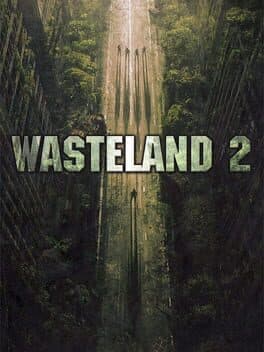
Wasteland 2 game cover art

Wasteland 2

Time
HIGH
Focus
MODERATE
Challenge
MODERATE
Intensity
MODERATE
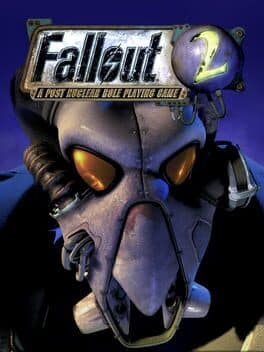
Fallout 2 game cover art
Rewarding skill growth

Fallout 2

Time
HIGH
Focus
MODERATE
Challenge
MODERATE
Intensity
MODERATE
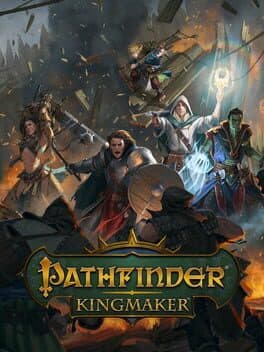
Pathfinder: Kingmaker game cover art
Rewarding skill growth

Pathfinder: Kingmaker

Time
HIGH
Focus
HIGH
Challenge
HIGH
Intensity
MODERATE
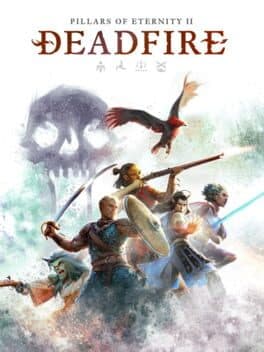
Pillars of Eternity II: Deadfire game cover art

Pillars of Eternity II: Deadfire

Time
HIGH
Focus
HIGH
Challenge
HIGH
Intensity
MODERATE
Eternal Anima game cover art

Eternal Anima

Time
MODERATE
Focus
MODERATE
Challenge
MODERATE
Intensity
LOW
← Back to Home