Behaviour Interactive • 2016 • Google Stadia, Xbox Series X|S, PlayStation 4, PC (Microsoft Windows), PlayStation 5, Xbox One, Nintendo Switch
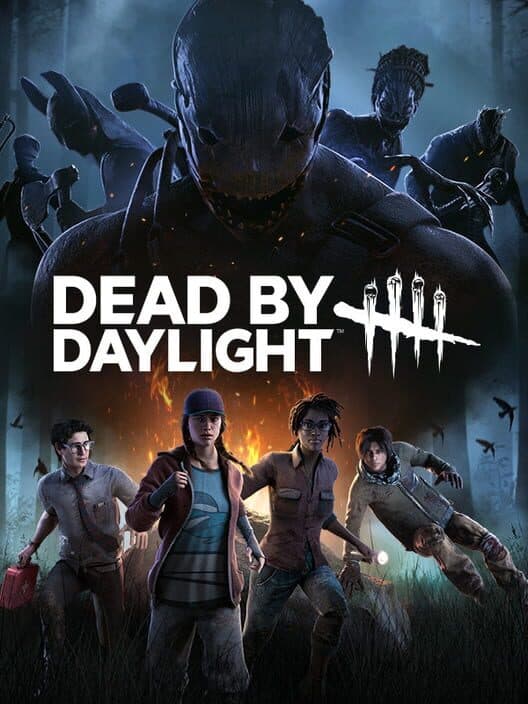
Short, intense online horror PvP matches
4v1 asymmetrical play, better with friends
High-stress, skill-based chases and stealth escapes
Dead by Daylight is worth it if you enjoy sweaty, tense multiplayer matches and horror vibes more than story or relaxation. It shines for adults who like competitive games they can dip into for an hour at a time, slowly improving their skills and tinkering with different builds. The trade-off is stress and repetition: you’ll face frequent losses, some toxic players, and a grindy unlock system if you want lots of perks and characters. In return, you get unforgettable moments—last-second escapes, heroic unhooks, or perfectly played hunts—that stick in your memory far more than many scripted campaigns. If you’re mainly a single-player story fan, dislike jump scares, or hate online friction, this is likely a “skip” or “only on a deep sale.” If you like horror and competitive play, it’s easy to recommend at full price, especially as a regular “game night” staple with friends.

Behaviour Interactive • 2016 • Google Stadia, Xbox Series X|S, PlayStation 4, PC (Microsoft Windows), PlayStation 5, Xbox One, Nintendo Switch
Short, intense online horror PvP matches
4v1 asymmetrical play, better with friends
High-stress, skill-based chases and stealth escapes
Dead by Daylight is worth it if you enjoy sweaty, tense multiplayer matches and horror vibes more than story or relaxation. It shines for adults who like competitive games they can dip into for an hour at a time, slowly improving their skills and tinkering with different builds. The trade-off is stress and repetition: you’ll face frequent losses, some toxic players, and a grindy unlock system if you want lots of perks and characters. In return, you get unforgettable moments—last-second escapes, heroic unhooks, or perfectly played hunts—that stick in your memory far more than many scripted campaigns. If you’re mainly a single-player story fan, dislike jump scares, or hate online friction, this is likely a “skip” or “only on a deep sale.” If you like horror and competitive play, it’s easy to recommend at full price, especially as a regular “game night” staple with friends.
When you have 60–90 focused minutes in the evening and want tense, match-based action with clear start and stop points instead of diving into a long story campaign.
When a couple of friends are online and you all feel like sharing jump scares, close escapes, and post-game debriefs over party chat rather than playing something quiet and solo.
When you’re in the mood to slowly improve at a competitive game over weeks, practicing reading opponents and tightening your chases instead of grinding checklists or exploring huge open worlds.
Short matches fit into busy evenings, but online-only play and grindy unlocks can quietly pull you into longer sessions.
Structurally, Dead by Daylight is friendly to limited time but hungry over the long haul. Individual trials last about 10–15 minutes, and the game naturally hands you clean stopping points after every match. That makes it easy to squeeze in two or three games after work and still log off on time. However, it’s online-only and doesn’t pause, so you need interruption-free windows; kids or roommates needing you mid-match can be a real problem. Progression is built around many characters and a large perk pool, meaning that fully kitting out multiple favorites can take dozens of hours. The good news is you don’t need everything to enjoy the game—one or two solid builds on each side is enough for most casual players. Returning after a break is reasonably painless, though you may spend a few sessions re-learning perks and any balance changes.
Fast, match-based horror that demands full attention, quick reactions, and constant small decisions every few seconds.
Dead by Daylight asks a lot from your attention in a short burst. Once you load into a trial, you’re listening for the terror radius, scanning for movement, watching skill checks, and tracking where teammates and objectives are at all times. There’s very little “autopilot” play; even repairing generators demands focus because failing a skill check can blow your cover. On killer, you’re constantly reading scratch marks, audio cues, and body language to predict where survivors will move next. This isn’t a game you can comfortably play while half-watching TV or chatting with someone in the room. Between matches, things ease up a bit while you spend currency or tweak builds, but the core action is mentally busy and fairly reactive. For a busy adult, it fits well when you’re alert and want to be fully absorbed, not when you’re drained and hoping to switch off.
Basics click in a few evenings, but long-term improvement in mindgames, map knowledge, and builds is deeply rewarding.
Learning Dead by Daylight starts simply but stretches out over time. Understanding how hooks work, what generators do, and how to run a basic loop can come together in your first few sessions. The real growth curve appears later, as you learn individual maps, master different killers’ powers, figure out when to play selfish versus altruistic, and experiment with perk combinations. Because you’re always playing against other humans, you’ll clearly feel the difference between your early games and your later ones. That improvement is satisfying, but it does mean you’ll take some lumps while climbing. The nice part for busy adults is that you don’t need to chase ranks to feel growth; even casual play a few nights a week will steadily sharpen your instincts. If you enjoy noticing yourself get better at reading people and situations, this game rewards that in a big way.
Very tense and often stressful, with frequent failure and big adrenaline spikes during chases and endgame standoffs.
Emotionally, this is a high-octane game. The mix of horror presentation, loud audio stingers, and knowing another human is hunting you (or escaping you) creates real tension. Chases and endgames especially can send your heart rate up, even after you’ve played for dozens of hours. You also fail a lot by design: dying on hook or not getting many sacrifices is normal, which can be frustrating if you’re used to power fantasies. The upside is that intense moments come in short, manageable bursts because matches are only 10–15 minutes long. It’s thrilling when you’re in the mood for a scare and some competition, but it’s not a great “calm down before bed” game. For time-constrained adults, it works best when you want a shot of adrenaline and can mentally handle a few rough games without carrying that stress into the rest of your evening.
Games with a similar rhythm and feel, even if they look different