Sony Interactive Entertainment • 2024 • PC (Microsoft Windows), PlayStation 5, Xbox Series X|S
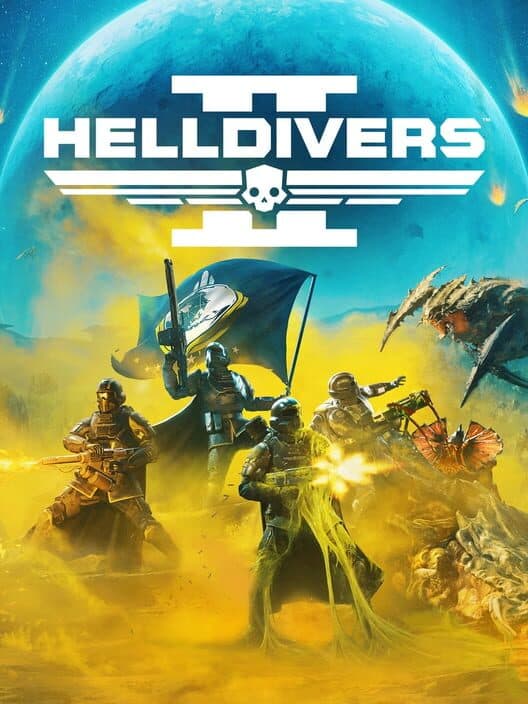
Helldivers 2 is worth it if you want loud, story-making co-op and can live with occasional technical headaches. Its magic is the way simple missions turn into unforgettable disasters: a mistimed airstrike, a last-second revive, an extraction that should have failed but somehow didn't. The shooting feels punchy, the support weapons are fun to experiment with, and the structure fits weeknight play better than most online games because a couple of missions can feel like a full evening. What it asks from you is steady attention, tolerance for friendly fire chaos, and acceptance that you cannot pause mid-run. It also helps a lot if you have friends or at least enjoy matchmaking, because solo play is clearly the lesser version. Buy at full price if you want a team-first action game you'll laugh about afterward. Wait for a sale if you'll mostly play alone or you burn out quickly on repeated mission goals. Skip it if you want a strong story, quiet exploration, or a game that bends around frequent interruptions.

Sony Interactive Entertainment • 2024 • PC (Microsoft Windows), PlayStation 5, Xbox Series X|S
Helldivers 2 is worth it if you want loud, story-making co-op and can live with occasional technical headaches. Its magic is the way simple missions turn into unforgettable disasters: a mistimed airstrike, a last-second revive, an extraction that should have failed but somehow didn't. The shooting feels punchy, the support weapons are fun to experiment with, and the structure fits weeknight play better than most online games because a couple of missions can feel like a full evening. What it asks from you is steady attention, tolerance for friendly fire chaos, and acceptance that you cannot pause mid-run. It also helps a lot if you have friends or at least enjoy matchmaking, because solo play is clearly the lesser version. Buy at full price if you want a team-first action game you'll laugh about afterward. Wait for a sale if you'll mostly play alone or you burn out quickly on repeated mission goals. Skip it if you want a strong story, quiet exploration, or a game that bends around frequent interruptions.
Players love how failed plans, accidental airstrikes, and desperate extractions turn even messy missions into stories your squad will laugh about later.
Many players stay hooked on the shooting but wish the objective pool evolved faster. Over long stretches, the jobs can feel more repeated than fresh.
Some players enjoy adapting loadouts and see the game as proudly team-first. Others feel favorite tools change too often and solo runs get less support.
Punchy guns, huge explosions, and well-timed support drops make combat feel cinematic. Calling the right tool at the right second is a big part of the appeal.
Technical issues matter more here than in many games because a crash, failed match, or disconnect can erase 20 to 40 minutes and break the group's momentum.
Players love how failed plans, accidental airstrikes, and desperate extractions turn even messy missions into stories your squad will laugh about later.
Punchy guns, huge explosions, and well-timed support drops make combat feel cinematic. Calling the right tool at the right second is a big part of the appeal.
Many players stay hooked on the shooting but wish the objective pool evolved faster. Over long stretches, the jobs can feel more repeated than fresh.
Technical issues matter more here than in many games because a crash, failed match, or disconnect can erase 20 to 40 minutes and break the group's momentum.
Some players enjoy adapting loadouts and see the game as proudly team-first. Others feel favorite tools change too often and solo runs get less support.
It fits weeknight sessions well because missions end cleanly, but it is still an online co-op game that punishes mid-run interruptions.
This is one of the easier live-service games to fit into a weeknight, but only if your time comes in solid chunks. A mission usually runs about 20 to 40 minutes, and a 60 to 90 minute session is enough for real progress, a few strong stories, and a clean stopping point back on the ship. The structure helps a lot: choose an operation, drop, extract, debrief, spend rewards, stop if you want. That rhythm gives you clear endings instead of endless wandering. The tradeoff is flexibility during the mission itself. There is no true pause, and walking away can waste the run for you and your squad. Coming back after a break is manageable because the goals, unlocks, and mission flow are easy to re-read, but the game clearly shines when you play somewhat regularly and preferably with other people. You do not need to live in it for months to feel satisfied. Around 20 to 35 hours is enough to feel like you genuinely saw what makes it special.
Most missions demand full-screen attention, quick target calls, and steady teamwork, with just enough planning before drop to make your loadout matter.
Helldivers 2 asks for your eyes and brain almost the whole time you're on the ground, and in return it delivers that locked-in, barely-holding-it-together co-op rush. A typical mission is full of fast little checks: where the patrol is coming from, whether your anti-armor is ready, who is standing too close to your airstrike, and whether it's smarter to finish the objective or just run. The thinking is practical and immediate, not slow or abstract. You are not solving long puzzles. You are making short, important calls while moving, shooting, reloading, and trying not to flatten your friends. That means it is poor background play. You can chat and joke on voice, but you cannot casually half-watch a show on the side. The good news is that the game usually keeps this attention pointed at concrete goals, so it feels busy in an energizing way rather than messy for no reason. If you like teamwork that lives in the moment, this constant awareness is part of the fun.
You can learn the basics fast, but real comfort comes after several evenings of memorizing stratagem inputs, enemy threats, and when to disengage.
You can understand Helldivers 2 quickly, but true comfort takes several evenings. The game asks you to build a small library of habits: memorize a few stratagem inputs, learn which enemies must be answered immediately, stop treating friendly fire as a rare accident, and recognize when backing off is smarter than standing your ground. None of that is wildly complex on paper. The challenge comes from doing it cleanly while everything is loud and moving. The nice part is that the learning process feels practical. You usually know why a mission went sideways, and the next run gives you a chance to fix that mistake right away. Lower and mid-tier difficulties are good teachers because they still punish sloppy play without demanding top-end execution. This is not the kind of game that needs weeks of homework before it gets good. It simply asks for repetition, muscle memory, and better judgment under pressure. Stick with a handful of tools early, and improvement comes at a satisfying pace.
Expect loud, funny pressure rather than bleak punishment: hectic firefights, messy extractions, and plenty of adrenaline, especially when teammates are nearby and explosives are everywhere.
Expect lively pressure rather than grim punishment. Helldivers 2 asks you to weather alarms, swarms, exploding corpses, and extractions that can collapse in seconds, then pays you back with huge relief and a lot of laughter when the squad somehow survives. Your heart rate will jump during reinforcement scrambles or when a heavy enemy breaks through at the worst possible time. Still, the tone matters. The satire, propaganda, and frequent friendly-fire accidents keep the mood from feeling bleak or miserable. Even failure often becomes a funny story instead of a sour one. On the difficulties most people settle into, the game is demanding enough to feel sharp without constantly crushing you. You will die, and sometimes a whole mission will unravel, but those setbacks usually read as 'we panicked' or 'we brought the wrong tools' rather than 'this game is unfair.' Play it when you want energy, noise, and shared chaos. It is a great mood booster with friends, but not the best choice when you want something quiet, calm, or interruption-proof.
Games with a similar rhythm and feel, even if they look different