Coatsink Software • 2026 • PC (Microsoft Windows), Xbox One, Xbox Series X|S
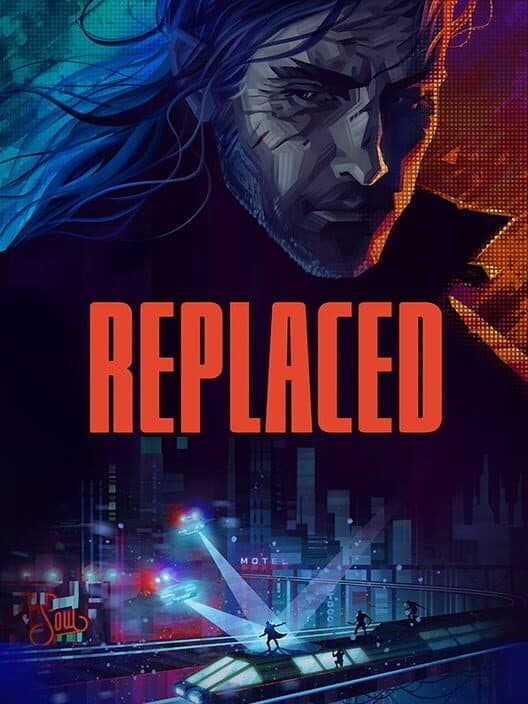
On current evidence, Replaced looks worth it if you want a short, stylish, story-first ride and care more about atmosphere than deep systems. The big draw is the world: layered pixel art, sharp animation, and a grim sci-fi mood that seems to carry almost every scene. The action also looks approachable, with readable counters, dodges, and platforming that should feel good without demanding weeks of practice. The trade-off is depth. Early reactions love the presentation, but some worry the combat and encounter design may need more variety to stay fresh across the full run. For most people, that makes this a strong full-price pick if visual craft, clean pacing, and a finite campaign sound perfect right now. Wait for a sale if you usually want rich build options, lots of replay value, or open-ended exploration. Skip it if you dislike guided, movie-like games or want something you can sink into for months.

Coatsink Software • 2026 • PC (Microsoft Windows), Xbox One, Xbox Series X|S
On current evidence, Replaced looks worth it if you want a short, stylish, story-first ride and care more about atmosphere than deep systems. The big draw is the world: layered pixel art, sharp animation, and a grim sci-fi mood that seems to carry almost every scene. The action also looks approachable, with readable counters, dodges, and platforming that should feel good without demanding weeks of practice. The trade-off is depth. Early reactions love the presentation, but some worry the combat and encounter design may need more variety to stay fresh across the full run. For most people, that makes this a strong full-price pick if visual craft, clean pacing, and a finite campaign sound perfect right now. Wait for a sale if you usually want rich build options, lots of replay value, or open-ended exploration. Skip it if you dislike guided, movie-like games or want something you can sink into for months.
The layered pixel art, lighting, animation, and camera work get the loudest praise. Even cautious previews say the city feels rich, moody, and memorable.
The demo's foundation is well liked, but a common worry is long-term freshness. If later areas do not add new behaviors, fights could start to blur together.
Some people love the tightly directed, scene-by-scene structure. Others worry the mix of movement, stealth, and fights may feel repetitive if the full game stays narrow.
Players like that punches, dodges, counters, and movement read clearly at a glance. The flow looks cool in motion without demanding superhuman precision.
Some previews mention tiny text, hard-to-spot prompts, and occasional signposting hiccups. They are not major deal-breakers, but they can interrupt the otherwise smooth pace.
The layered pixel art, lighting, animation, and camera work get the loudest praise. Even cautious previews say the city feels rich, moody, and memorable.
Players like that punches, dodges, counters, and movement read clearly at a glance. The flow looks cool in motion without demanding superhuman precision.
The demo's foundation is well liked, but a common worry is long-term freshness. If later areas do not add new behaviors, fights could start to blur together.
Some previews mention tiny text, hard-to-spot prompts, and occasional signposting hiccups. They are not major deal-breakers, but they can interrupt the otherwise smooth pace.
Some people love the tightly directed, scene-by-scene structure. Others worry the mix of movement, stealth, and fights may feel repetitive if the full game stays narrow.
It looks built for weeknight play: a short story, clear stopping points, no social obligations, and only mild re-learning if you step away.
Time-wise, this looks refreshingly contained. The likely payoff seems to be one complete story run in roughly 7 to 12 hours, not a sprawling second job. That makes it the kind of game you can realistically finish over a week or two of evening play. The structure also appears helpful: guided areas, clear combat sequences, story checkpoints, and boss-style beats should create natural stopping points more often than a huge open-ended map would. The main compromise is saving. Full pause should make sudden interruptions easy, but a checkpoint-based system may mean you sometimes want to push a little farther before fully quitting. Even so, the overall fit for shorter sessions looks strong. There are no team obligations, no live events, and no social pressure to keep up. Coming back after a break should be fairly painless too. You may need a quick memory jog on the plot and current controls, but this does not look like the kind of game that asks you to rebuild your whole brain before playing again. In return, it offers a focused, finite experience that respects limited weekly time.
Most of the time you're reading the screen, not zoning out. Traversal is calm, but fights and stealth ask for steady attention and clean timing.
Replaced seems to ask for steady, eyes-on-screen attention rather than nonstop mental strain. Most of the time you'll be reading jump spacing, enemy tells, stealth sightlines, and small environmental cues, with just enough room to glance around for hidden items or bits of lore. The good news is that the thinking looks clean. You are not juggling huge menus, complex builds, or layered systems. Instead, the game seems to want quick reads and smooth execution. That trade is appealing if you want something involving without feeling like homework. Traversal and story scenes should give your brain little breathers, then fights ask you to lock back in for counters, dodges, and spacing. In return, you get a strong sense of flow. When the pacing lands, it should feel like moving through a playable sci-fi film where attention is rewarded with stylish fights, hidden details, and a better grip on the city's mood. Just do not expect this to be a second-screen game. It looks best when you give it your full eyes, even if it is not brutally demanding.
Easy enough to get comfortable within a few sessions, but still satisfying when you learn counters, dodge windows, and the game's simple fight rhythm.
Replaced appears approachable, but not disposable. The basics look easy enough to learn within a few sessions: how to move cleanly, when to counter, when to dodge, and how to read the simple stealth or puzzle beats that break up the action. That should make early progress feel welcoming. You likely will not need guides, spreadsheets, or a week of practice just to feel competent. Where it keeps some bite is in rhythm and consistency. Cleaner fights probably come from recognizing enemy tells, staying calm under pressure, and not panic-mashing when a boss changes tempo. That is a nice exchange for a short, authored game. It asks for a little skill growth, then pays it back quickly with better flow, smoother fights, and fewer messy restarts. Based on the demo, this seems much closer to "satisfying to improve at" than "demanding to survive." If the full release adds late-game enemy variety, the ceiling could rise a bit, but the overall shape still looks friendly to players who want challenge without a lifestyle commitment.
This is moody and tense rather than brutal. It spikes during fights and boss moments, then settles back into slower story and exploration breaths.
This looks more tense than exhausting. The city, the body-horror ideas, and the violent finishers give it a grim edge, and combat likely creates short spikes of real pressure. Boss encounters, stealthy stretches, and moments when several enemies crowd you should feel sharp enough to raise your pulse. Still, nothing shown so far suggests the game is trying to grind you down with relentless fear or punishing stress. That balance matters. Replaced seems to ask for bursts of nerve, then gives you space to come down during platforming, exploration, and story scenes. In return, the mood should stay strong without becoming oppressive. You get the satisfaction of danger and clean recoveries, not just raw punishment. For most people, this means a good fit on nights when you want something moody, cinematic, and a little intense. It is probably a weaker fit when you are tired, easily frustrated, or sharing a room with kids, because the mature tone and visible violence are part of the package.
Games with a similar rhythm and feel, even if they look different