Powered by IGDB•Privacy•Terms

© 2026 Slated.gg

Slated.gg
Popular GamesAbout

Hardspace: Shipbreaker

Focus Entertainment • 2022 • Xbox Series X|S, PC (Microsoft Windows), PlayStation 5
Approachable but deepSatisfying to complete

Is Hardspace: Shipbreaker Worth It?

Hardspace: Shipbreaker is absolutely worth it if you enjoy methodical, hands-on problem solving more than constant action. The core loop is simple but rich: float around derelict ships in zero‑G, plan how to take them apart, then carefully cut and tug them into processors, furnaces, and the barge. Over time, you get better tools, face trickier hazards, and work through a grounded story about debt and organizing. The game asks you for focus and patience with repetition, not lightning reflexes or long sessions. In return, it delivers a deeply satisfying sense of craft, steady progress, and a surprisingly touching blue-collar sci‑fi atmosphere. Buy at full price if you love “doing a job well” style games, simulation sandboxes, or chill-but-engaging evening play. Wait for a sale if you mainly want big cinematic moments, varied mission types, or fast combat. You should probably skip it if you dislike repetitive tasks, get frustrated by 3D movement, or need multiplayer to stay motivated.

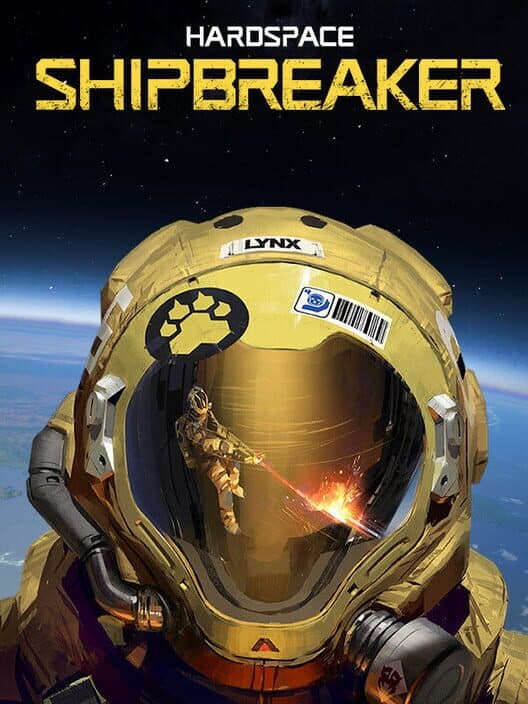
Hardspace: Shipbreaker cover art

Hardspace: Shipbreaker

Focus Entertainment • 2022 • Xbox Series X|S, PC (Microsoft Windows), PlayStation 5

Approachable but deepSatisfying to complete

Is Hardspace: Shipbreaker Worth It?

Hardspace: Shipbreaker is absolutely worth it if you enjoy methodical, hands-on problem solving more than constant action. The core loop is simple but rich: float around derelict ships in zero‑G, plan how to take them apart, then carefully cut and tug them into processors, furnaces, and the barge. Over time, you get better tools, face trickier hazards, and work through a grounded story about debt and organizing. The game asks you for focus and patience with repetition, not lightning reflexes or long sessions. In return, it delivers a deeply satisfying sense of craft, steady progress, and a surprisingly touching blue-collar sci‑fi atmosphere. Buy at full price if you love “doing a job well” style games, simulation sandboxes, or chill-but-engaging evening play. Wait for a sale if you mainly want big cinematic moments, varied mission types, or fast combat. You should probably skip it if you dislike repetitive tasks, get frustrated by 3D movement, or need multiplayer to stay motivated.

When is Hardspace: Shipbreaker at its best?

When you have 45–90 minutes after work and want something calming but mentally engaging, letting you clear a few shifts, hit a certification, and unwind without intense combat.

On a quiet weekend morning when you’re fresh enough to focus, treating each new ship as a big 3D puzzle to take apart efficiently and safely piece by piece.

During busier weeks with frequent interruptions, since you can pause anytime and fit a full 15‑minute shift between chores, parenting duties, or breaks without losing your sense of progress.

What is Hardspace: Shipbreaker like?

Commitment

MODERATE

Commitment

A medium-length campaign built from 15‑minute shifts, easy to pause or step away from for weeks without losing your place.

MODERATE

Hardspace is friendly to an adult schedule. The core unit of play is a 15‑minute shift, and the game gives you a clean break back in the hub after each one. A typical evening might be two to four shifts, giving you 30–60 minutes of solid progress without feeling like you’re abandoning something mid-flow. Seeing the main story and full range of ships is a 20–30 hour project, so it’s a few weeks of relaxed play rather than a months-long lifestyle. You can pause freely during shifts, and quitting early only sacrifices that slice of salvage, never your overall campaign progress. Coming back after time away is easy: your targets and certifications are clearly listed, and the story is linear enough that you won’t feel lost. There’s no multiplayer schedule to maintain and no daily login pressure. It’s a great “pick up, do a shift or two, and step away” game.

Tips

  • Think in terms of shifts, not nights; even a single 15‑minute shift can be a satisfying micro-session when time is tight.
  • Stop in the hub between shifts if real life is busy; it’s the safest place to quit without losing any progress.
  • If you’ve been away for a while, start with an easy, low-hazard contract to refresh controls and habits before returning to complex ships.

Focus

MODERATE

Focus

A calm but mentally busy game where you plan every cut and watch environmental hazards closely during each short salvage shift.

MODERATE

This is a game that keeps your brain ticking without overwhelming you. During a shift you’re constantly reading 3D layouts, deciding what to cut, where to tether, and how to move huge chunks safely. You’re watching fuel lines, reactors, pressurized compartments, and your own position in zero‑G, so it rewards clear thinking more than quick hands. The pace is deliberate and you can pause at any time, which makes it friendlier to tired weeknight brains than fast shooters. Still, if you try to play while half-watching TV, you’ll make expensive mistakes or miss hazards. Expect to feel engaged in a steady, puzzle-like way rather than flooded with information. Once you internalize common ship patterns, some tasks go on mild autopilot, but new hulls and hazard mixes keep you paying attention. For a busy adult, it’s a great fit when you have the focus to chew on a problem but don’t want the complexity of a grand strategy game.

Tips

  • Treat each shift like a 10–15 minute puzzle: focus hard while you’re in the yard, then relax and regroup in the hub.
  • Use the scanner often and rotate around the ship before cutting; planning from several angles reduces mistakes and mental load later.
  • On low-energy nights, pick lower-hazard ships and simpler work orders so you can enjoy the rhythm without heavy decision-making.

Mastery

MODERATE

Mastery

Takes a few evenings to feel comfortable, but getting truly efficient at dismantling ships is very satisfying if you enjoy steady skill growth.

MODERATE

There’s a real learning curve here, but it’s not brutal. Your first sessions are about wrestling with zero‑G controls and understanding what can safely be cut versus what might explode. Within 5–10 hours, most people will go from clumsy rookie to someone who can safely clear simpler ships and handle basic hazards. Beyond that, the game quietly rewards deeper mastery: learning internal layouts by sight, finding clever cut patterns, and shaving minutes off reactor pulls. As you improve, your income climbs faster, your mistakes drop, and ships that once felt terrifying become routine. There’s no ranked mode or ultra-hard boss to prove yourself against, so the satisfaction is personal and practical rather than competitive. If you enjoy getting better at a craft over time, it delivers. If you want to just bumble along and scrape by, the game lets you do that too, though you’ll earn less and feel fewer “I nailed that” moments.

Tips

  • Start with smaller, low-hazard ships and practice safe depressurization before tackling anything with complex fuel or reactor layouts.
  • Watch for repeating ship archetypes and remember where reactors, fuel lines, and cut points usually sit; pattern recognition dramatically speeds up your work.
  • Accept a few messy early attempts on new ship types as paid practice rather than failures; the next run will be much cleaner.

Intensity

LOW

Intensity

Mostly relaxing industrial work with occasional spikes of tension around reactors, fuel, and pressure, far from horror or high-adrenaline action.

LOW

Moment to moment, Hardspace feels surprisingly peaceful. You float in silence, hear your tools hum, and watch panels drift toward processors in a slow, predictable dance. That calm is broken now and then when you vent a pressurized room, move a reactor on a timer, or accidentally nick a fuel line. Those moments can make you suck in a breath, but the consequences are usually a bit of lost money and some singed scrap, not a ruined save. The story deals with heavy themes—debt, exploitation, organizing—but they land as thoughtful and motivating more than gut-wrenching. Overall, your heart rate will stay low compared to intense combat or horror games. It’s more like doing a tricky DIY project than fighting for your life. If you’re coming off a stressful day, it generally soothes rather than spikes your nerves, as long as you accept that occasional explosions are just part of learning the job.

Tips

  • If you’re feeling tense, choose lower-hazard ships and focus on basic salvage instead of chasing every last risky component.
  • When handling reactors or pressure, pause for a few seconds to rehearse the steps in your head before you commit.
  • Use assist options to relax oxygen, damage, or timers if you want an even more chilled-out, puzzle-like experience.

Frequently Asked Questions

You Might Also Like

Games with a similar rhythm and feel, even if they look different
Unicorn Overlord game cover art

Unicorn Overlord

Commitment
MODERATE
Focus
MODERATE
Mastery
MODERATE
Intensity
MODERATE
Dragon Age: The Veilguard game cover art

Dragon Age: The Veilguard

Commitment
MODERATE
Focus
HIGH
Mastery
MODERATE
Intensity
MODERATE
The Alters game cover art
Approachable but deepSatisfying to complete

The Alters

Commitment
MODERATE
Focus
HIGH
Mastery
MODERATE
Intensity
MODERATE
Dave the Diver game cover art

Dave the Diver

Commitment
MODERATE
Focus
MODERATE
Mastery
MODERATE
Intensity
LOW
Dispatch game cover art
Satisfying to complete

Dispatch

Commitment
LOW
Focus
MODERATE
Mastery
LOW
Intensity
MODERATE
Moonlighter game cover art
Satisfying to complete

Moonlighter

Commitment
LOW
Focus
MODERATE
Mastery
LOW
Intensity
LOW
← Back to Home