hello@slated.gg
Powered by IGDB•Privacy•Terms

© 2026 Slated.gg

Slated.gg
Popular GamesAboutDiscover Games
Professor Layton and the New World of Steam

LEVEL-5 • 2026 • Nintendo Switch 2, PC (Microsoft Windows), PlayStation 5, Nintendo Switch
Quick sessionsSatisfying to completeRelaxing & low-pressure
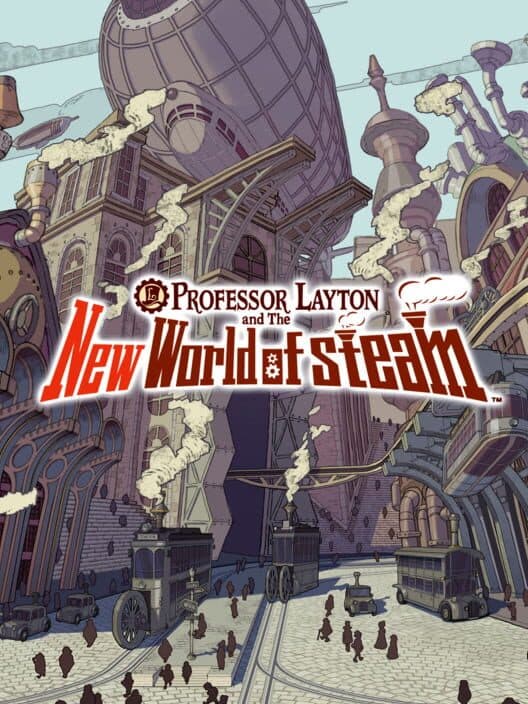
Professor Layton and the New World of Steam cover art

Professor Layton and the New World of Steam

LEVEL-5 • 2026 • Nintendo Switch 2, PC (Microsoft Windows), PlayStation 5, Nintendo Switch

Quick sessionsSatisfying to completeRelaxing & low-pressure

Is Professor Layton and the New World of Steam Worth It?

Yes, probably, if what you want is a cozy mystery that regularly lets you feel clever. Based on previews and long-running series patterns, this looks like a strong fit for anyone who enjoys reading clues carefully, solving hand-built riddles, and moving through a charming story at a calm pace. Its big appeal is the mix of small wins and forward momentum: even a short session can give you a solved puzzle, a new clue, and one more scene with Layton and Luke. The catch is that this is still a pre-release call. The two open questions are important: whether the new puzzle team can match classic-series quality, and whether modern controls feel as natural as the old stylus setup. If you're already sold on Layton's tone and style, launch price could make sense. If you're curious but not attached to the series, waiting for reviews is the smarter move. Skip it if you want action, deep systems, or a game you can mostly play while distracted.

What is Professor Layton and the New World of Steam like?

Opinions of Professor Layton and the New World of Steam

What Players Love

  • Players Love

    Layton and Luke returning drives most fan excitement

    Across preview threads, the loudest positive is simply seeing the classic duo reunite for a new mystery after such a long break from mainline adventures.

  • Players Love

    Steam Bison's atmosphere, music, and presentation look strong

    Hands-on previews and community comments keep pointing to the city's personality, music, and polished scenes as major reasons the game already feels inviting.

Common Concerns

  • Common Concern

    Puzzle quality is still the biggest question mark

    Many fans are hopeful but cautious about whether the new puzzle team can match the sharp, satisfying feel people connect with the series at its best.

  • Common Concern

    Modern controls still feel like an open question

    Preview coverage raised concerns that pointer or mouse-style input may feel less natural than the stylus-first play many people associate with Layton.

Divisive Aspects

  • Divisive

    The move to full 3D splits fans visually

    Some players like the cleaner, modern look, while others miss the stronger 2D identity and worry the new scenes soften part of the old charm.

What does Professor Layton and the New World of Steam demand from you?

Time

MODERATE

Time

Likely a two-to-three-week evening game, not a lifestyle hobby. It fits short sessions well and asks almost nothing from your calendar besides remembering the case.

MODERATE

This looks like a very manageable project rather than a long-term hobby. Based on previews and past series length, most players should expect roughly 18 to 25 hours to reach the ending, with extra time if they chase optional puzzles or cleanup. The shape of those hours matters more than the total. Sessions appear to break cleanly into short loops of exploration, conversation, one or two riddles, and a story beat. That is excellent for weeknight play. The value exchange here is strong: it asks for regular, focused chunks and gives back a real sense of closure even in short sittings. Current technical info points to full pause and save-anywhere behavior, which makes real-life interruptions much less painful. It is also fully solo, so there are no scheduling demands or social obligations hanging over you. The only friction comes after a longer break. If you step away for a week or two, you may need a few minutes to remember which clue mattered or what an unfinished puzzle was asking. Even then, the clear objective flow should help you get rolling again.

Tips
  • Great in 30-90 minute sessions
  • Pause or save anytime
  • Check objectives after long breaks

Focus

MODERATE

Focus

Mostly calm screen time, but not background-noise play. You'll spend sessions reading carefully, spotting hidden assumptions, and solving one contained problem after another.

MODERATE

This is a thinking-first evening game. Most sessions ask you to read clues carefully, notice exact wording, and work through one contained problem at a time. The good news is that it does not ask for speed. There is little sign of twitch pressure, so the effort goes into deduction, not hand skill. That makes the experience mentally active without becoming chaotic. The trade is simple: it asks for steady attention and delivers frequent little "aha" moments. You can absolutely pause, take a breath, or step away for a minute, but you probably will not play well while half-watching a show. Even walking around town or talking to characters is there to set up the next riddle or story clue. A few puzzles should lean on shapes, routes, or visual layouts, but the bigger demand is careful reading and logic. If you enjoy sitting with a puzzle until it clicks, this should feel rewarding. If you want something you can coast through on autopilot, it probably will not.

Tips
  • Read every clue twice
  • Use memo before hints
  • Play when mentally fresh

Challenge

LOW

Challenge

Easy to start, occasionally stubborn to finish. The systems look simple, but individual puzzles can stop you cold until the answer clicks.

LOW

Getting comfortable here should be easy. The basic flow looks simple: move through town, talk to people, enter puzzles, use notes or hints when needed, and keep following the case. You are not learning layered combat systems, complex economies, or a giant set of verbs. That means the first hour or two should teach you almost everything you need to function. Where the game stretches you is not system complexity but puzzle stubbornness. It asks you to accept that progress may stop on one bad riddle for ten or twenty minutes, and it pays that off with the very specific joy of figuring it out yourself. Because hints, retries, and likely flexible saving reduce the downside of mistakes, the learning process seems forgiving even when individual brainteasers are not. This is important: it may feel hard in bursts without being harsh overall. People who enjoy logic books, escape-room thinking, or earlier Layton games should settle in quickly. People who hate reading instructions closely or being blocked by a single problem may bounce even though the underlying controls and structure are simple.

Tips
  • Learn menus in minutes
  • Save side puzzles for later
  • Treat wrong answers as feedback

Intensity

VERY LOW

Intensity

This is gentle pressure, not sweaty pressure. The biggest spike is getting stuck on a riddle, with only light mystery suspense around the edges.

VERY LOW

The overall mood looks gentle. This is much closer to a cozy mystery than a nerve-racking thriller. Most of the pressure comes from wanting to solve a puzzle yourself, not from timers, enemies, or heavy punishment. When the game gets tense, it will likely be because a riddle has you second-guessing yourself or because the story drops a slightly spooky moment, not because your pulse is spiking. That balance is a big part of the appeal. It asks for patience with small moments of frustration and gives back calm satisfaction when the answer finally clicks. Wrong answers seem to cost little beyond score efficiency, and hint systems should keep hard stops from turning into real anger. The mystery framing can add suspense around certain characters or scenes, but current footage suggests light peril, not horror. This feels best on nights when you want your brain engaged but your body relaxed. If you dislike getting mentally stuck, it may still feel prickly. If you enjoy quiet problem-solving, it should land as focused rather than stressful.

Tips
  • Leave stubborn puzzles overnight
  • Spend hint coins guilt-free
  • Expect curiosity, not adrenaline

Frequently Asked Questions

It looks medium overall, but not in an action-game way. You won't need fast hands, tight timing, or repeated combat practice. The challenge comes from individual riddles that can completely stop your progress until the answer clicks. Think classic Professor Layton more than The Witness or Portal: the rules are usually understandable, but the game enjoys catching wrong assumptions and word-reading mistakes. Learning how to play should be easy. Most people will grasp movement, puzzle entry, hint coins, and menus within the first hour or two. The harder part is staying patient when a puzzle type doesn't match how your brain works. That can make the game feel swingy: one evening you'll breeze through five riddles, the next one single puzzle might eat twenty minutes. The good news is that mistakes are not heavily punished. Hint systems and likely flexible saves make it friendly to trial and error. If you hate being stuck, it may feel tougher than the score suggests. If you enjoy brainteasers, it should feel fair.

Expect about 18 to 25 hours to see the main mystery through, with the high 20s more likely if you clear lots of optional puzzles. Because the game was still unreleased at analysis time, those numbers are estimates based on previews and past Layton games, not final completion data. That said, the overall shape looks clear: this is an evening game you finish over a few weeks, not a months-long project. Sessions should work well in 30 to 90 minute chunks. The structure appears built around short loops of conversation, exploration, one or two puzzles, then a story payoff. That makes it easy to stop after a solved riddle or chapter beat without feeling like you quit in the middle of a major system. Current technical info points to full pause and save-anywhere behavior, which is excellent for busy schedules. Completionists could spend longer chasing missed hint coins, optional puzzles, and better scores, but most players will probably feel satisfied once the main case is resolved.

Not very. This looks like a calm, low-adrenaline game with small bursts of puzzle frustration rather than heart-racing pressure. Nothing in the current footage suggests combat panic, harsh timers, or real danger. The main source of tension is internal: that feeling of staring at a riddle, knowing the answer is probably simple, and trying not to burn a hint coin too early. That makes it a good kind of stress for the right mood. If you like the quiet satisfaction of finally cracking a problem, the game should feel focused and rewarding. If getting stuck makes you impatient, the same moments may feel more annoying than relaxing. The story seems to add some mild mystery suspense and slightly spooky imagery, but not enough to make the whole experience feel intense. It's much closer to settling in with a puzzle book and a cozy mystery than bracing for a horror game or a tough action challenge. Best time to play: when you want your brain engaged, but not your pulse raised.

Yes, and it looks very casual-friendly if you enjoy puzzle games. This is built as a solo experience with no team obligations, no competitive grind, and no pressure to stay current with other players. The loop is naturally chunked into short, satisfying steps: talk to someone, search a scene, solve a puzzle, watch the next story moment. That structure works well when you only have part of an evening. It also seems very forgiving of interruptions. Current technical details point to full pause and save-anywhere behavior, so real life should be able to cut in without ruining progress. The only real catch is mental re-entry. If you leave for a week or two, you may need a few minutes to remember what the current mystery thread was or what a half-finished puzzle was asking. That friction is real, but manageable because the story path itself looks clear. So yes, you can absolutely play this casually. Just don't confuse schedule-friendly with good while half-distracted.

No. Everything official points to a normal one-time purchase with no pay-to-win systems. There is no sign of ranked multiplayer, stat boosts for sale, paid power, timed energy systems, or anything else that would let money smooth over the challenge. That fits both the series history and the way the game is being marketed. The small caveat is that this was still pre-release at the time of analysis, so final store details were not fully locked in. Even so, the current publisher and platform information describe a standard premium release, not a live-service setup. Since the game is single-player and puzzle-led, pay-to-win would also make very little design sense here. If anything changes closer to launch, it would be more likely to involve ordinary add-ons like soundtrack extras or bonus content, not systems that give paying players an advantage. As it stands, you should approach this as a traditional buy-it-once game.

You Might Also Like

Games with a similar rhythm and feel, even if they look different
Explore more→
Return to Monkey Island game cover art
Quick sessionsSatisfying to complete

Return to Monkey Island

Time
LOW
Focus
LOW
Challenge
LOW
Intensity
VERY LOW
Portal 2 game cover art
Satisfying to completeRelaxing & low-pressure

Portal 2

Time
LOW
Focus
MODERATE
Challenge
MODERATE
Intensity
LOW
Toem 2 game cover art
Quick sessionsSatisfying to complete

Toem 2

Time
VERY LOW
Focus
LOW
Challenge
VERY LOW
Intensity
VERY LOW
Unpacking game cover art
Quick sessionsSatisfying to complete

Unpacking

Time
VERY LOW
Focus
VERY LOW
Challenge
VERY LOW
Intensity
VERY LOW
Thank Goodness You're Here! game cover art
Satisfying to completeRelaxing & low-pressure

Thank Goodness You're Here!

Time
VERY LOW
Focus
LOW
Challenge
VERY LOW
Intensity
VERY LOW
Untitled Goose Game game cover art
Satisfying to completeRelaxing & low-pressure

Untitled Goose Game

Time
VERY LOW
Focus
LOW
Challenge
VERY LOW
Intensity
VERY LOW
← Back to Home