AdHoc Studio • 2025 • Nintendo Switch 2, PC (Microsoft Windows), PlayStation 5, Nintendo Switch
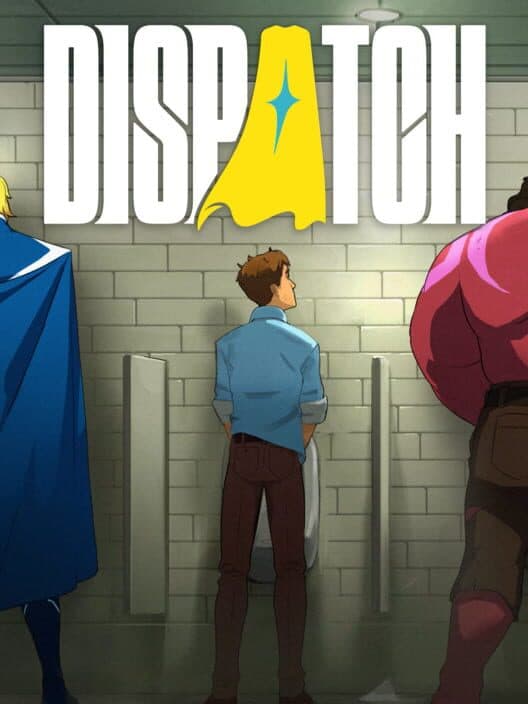
Dispatch
AdHoc Studio • 2025 • Nintendo Switch 2, PC (Microsoft Windows), PlayStation 5, Nintendo Switch
Is Dispatch Worth It?
Dispatch is worth it if you want a funny, character-first superhero story you can actually finish. Its best selling point is the cast: the banter lands, the voice acting sells the office chaos, and the season structure makes it feel like a show you will happily binge over a week or two. The strategy layer is light but not throwaway. Reading emergencies, matching the right heroes, and juggling cooldowns gives you just enough to do between scenes without turning the game into homework. Buy at full price if strong writing, relationship choices, and clean episode pacing sound more exciting than deep systems. Wait for a sale if you need your choices to radically reshape the plot or you want more hands-on action, because the dispatch board and hacking can feel repetitive by the end. Skip it if you mainly play for combat, exploration, or a safe shared-screen experience. For the right player, Dispatch gives a lot back for a modest time investment and feels refreshingly finishable.
What is Dispatch like?
Opinions of Dispatch
What Players Love
- Players Love
Writing, performances, and team chemistry carry the whole season
Players consistently say the cast is the reason to show up. Banter, delivery, and relationship scenes make even slower mechanical stretches easier to forgive for many people.
- Players Love
Episode structure makes it feel easy to binge
Short TV-style chapters and clean cliffhangers make one more episode very real. Many players love how neatly it fits into a few evening sessions after work.
Common Concerns
- Common Concern
Dispatch board and hacking can feel repetitive over time
The story stays strong, but many players say the interactive parts do not deepen enough. Repeated call matching and hacking sections can start feeling thin by the end.
- Common Concern
Big choices converge more than the premise suggests
Players often enjoy choosing tone, romance, and office politics, but many say the larger story still follows a shared path more often than the setup implies.
Divisive Aspects
- Divisive
The short runtime feels focused or too slight
Some people love finishing a sharp season in a weekend, while others wish episodes were longer and the story spent more time with the cast.
What does Dispatch demand from you?
Time
LOWTime
This is a clean weeknight game: short episodes, solid pause support, and a full season you can finish without turning it into a second job.
Focus
MODERATEFocus
Most of your attention goes to reading tone, spotting clues in emergencies, and making quick roster calls, with only brief moments of speed.
Challenge
LOWChallenge
You can feel comfortable within a few sessions, then spend the rest of the season getting better at reading calls and building smarter pairings.
Intensity
LOWIntensity
Pressure comes from expiring calls, awkward relationships, and occasional hacking spikes, but the comedy and forgiving structure keep most sessions lively instead of draining.
Frequently Asked Questions
You Might Also Like
Games with a similar rhythm and feel, even if they look different