Aggro Crab Games • 2025 • PC (Microsoft Windows)
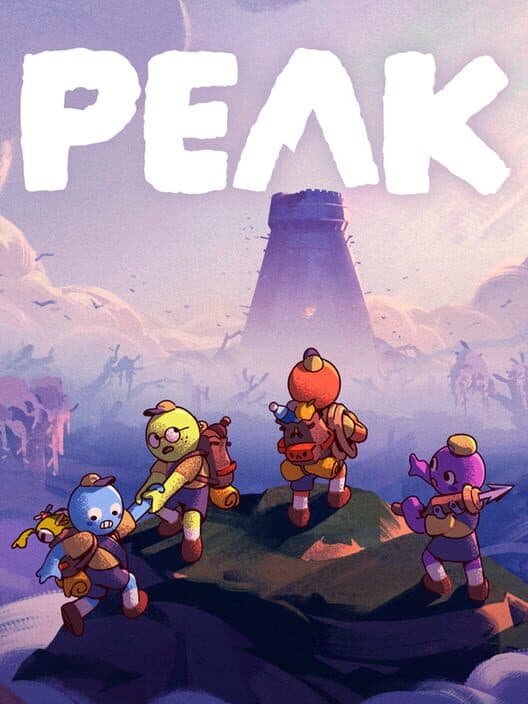
Co-op first-person climbing roguelite
60–90 minute high-stakes runs
Slapstick falls and tense rescues
Peak is absolutely worth it if you have a few friends and can occasionally spare a solid hour for focused co-op. For the price of a takeout meal, you get a tightly designed climbing game that reliably generates big laughs, wild failures, and real fist-pump moments. The main catch is structural: runs are 60–90 minutes with no mid-run saves, so it’s poorly suited to people who are constantly on call or who need five-minute sessions. It also leans more on emergent stories and physical comedy than on traditional plot or character development. If you want a deep narrative or long-term progression systems, this isn’t that. But if you enjoy games like It Takes Two, Gang Beasts, or other “friends-night” titles that are all about shared chaos and teamwork, Peak is a bargain at full price. Solo-focused players or anyone who struggles with 3D movement might want to wait for a sale, but for co-op groups it’s an easy recommendation.

Aggro Crab Games • 2025 • PC (Microsoft Windows)
Co-op first-person climbing roguelite
60–90 minute high-stakes runs
Slapstick falls and tense rescues
Peak is absolutely worth it if you have a few friends and can occasionally spare a solid hour for focused co-op. For the price of a takeout meal, you get a tightly designed climbing game that reliably generates big laughs, wild failures, and real fist-pump moments. The main catch is structural: runs are 60–90 minutes with no mid-run saves, so it’s poorly suited to people who are constantly on call or who need five-minute sessions. It also leans more on emergent stories and physical comedy than on traditional plot or character development. If you want a deep narrative or long-term progression systems, this isn’t that. But if you enjoy games like It Takes Two, Gang Beasts, or other “friends-night” titles that are all about shared chaos and teamwork, Peak is a bargain at full price. Solo-focused players or anyone who struggles with 3D movement might want to wait for a sale, but for co-op groups it’s an easy recommendation.
When you and a couple of friends can block out a focused 60–90 minute evening and want a tense but funny shared adventure instead of a long story game.
When you have about an hour alone, feel mentally awake, and want to practice a demanding yet fair skill game by slowly pushing a little farther up the mountain.
When your group is tired of loot grinding or giant open worlds and just wants a compact, self-contained challenge where mistakes turn into memorable stories, not weeks of lost progress.
Each run is a 60–90 minute expedition with no mid-run saves, best planned for evenings when interruptions are unlikely.
Peak asks more for clean blocks of time than for months of ongoing commitment. A typical run lasts about an hour to an hour and a half, and you can’t save and resume that climb later, especially in online co-op. For adults with kids or unpredictable evenings, that’s the biggest hurdle. Offline solo runs now pause fully, but the game really shines with friends, which adds the extra step of coordinating schedules. The good news is that you don’t need to sink dozens of hours to feel satisfied. Reaching the summit once or twice and seeing the core biomes is very achievable in 10–20 hours total spread over a few weeks. There’s no battle pass, no daily quests, and no pressure to log in constantly. Coming back after a break is simple: you just start a new day’s mountain. If you can occasionally carve out a solid hour with one to three friends, Peak slots neatly into adult life.
Most climbs demand steady, hands-on attention to movement, stamina, and teammates, with only brief chances to relax at camps or safe ledges.
Playing Peak is mentally and physically engaging in the moment-to-moment sense. While you’re on the wall, you’re constantly thinking about handholds, stamina, hunger, weather, and what your friends are doing. You need to watch the screen, listen to callouts, and feel the timing of jumps and grabs. It’s not the sort of game you can play on a second screen while half-watching a show. That said, the game builds in natural breathers: the airport hub, campfires, and safe ledges where you can stand, chat, or quickly check your phone without risking a fall. The thinking is more about awareness and quick judgment than heavy strategy spreadsheets. If you’re alert enough to drive in traffic or play an action game like God of War, you’ll be fine here. On tired nights, though, you may feel your attention slipping, and that’s exactly when Peak can punish you with sudden, silly, but costly mistakes.
Easy to grasp in a night or two, but improving your timing, routing, and risk sense pays off hugely over many climbs.
The basics of Peak are approachable: move, jump, grab, manage stamina, eat when hungry. After a couple of evenings you’ll understand how the systems fit together and can reliably reach the early biomes. The real depth comes from learning how far you can stretch stamina, what ledges are actually safe, and when to play conservative versus greedy. As your skill improves, the game almost feels like it shrinks; routes that once took ages become quick warm-up sections, and you’ll start planning rescues and shortcuts instead of just hanging on. This makes the game very rewarding to stick with, especially if you enjoy feeling yourself get smoother and braver over time. The difficulty ladder gives clear rungs to climb without forcing you into brutal modes too early. For a busy adult, that means you can feel progress even if you only play a few runs each week, without needing to grind for gear or memorize complex builds.
Expect regular tension spikes when big climbs rest on a single move, balanced by a playful tone and lots of shared laughter.
Peak can be intense, but in a rollercoaster way rather than a grim, draining way. When you’ve been climbing for an hour and reach a sketchy gap, everyone’s heart rate goes up because one slip might send the whole team flying. Injuries that shrink your stamina for the rest of the run add weight to each choice, too. At the same time, the art style is cartoony, falls are more slapstick than gory, and most groups end up laughing as often as they gasp. The emotional rhythm is: tension during tricky sections, loud reactions when something goes wrong or brilliantly right, then relief and jokes around a campfire. If you find games like horror shooters overwhelming, Peak will probably feel easier on the nerves. But it’s still not a sleepy, wind-down-before-bed kind of game unless you stick to the gentler Tenderfoot setting and accept that falling is part of the fun.
Games with a similar rhythm and feel, even if they look different