Elden Ring: Nightreign

Bandai Namco Entertainment2025Xbox Series X|S, PlayStation 4, PC (Microsoft Windows), PlayStation 5, Xbox One
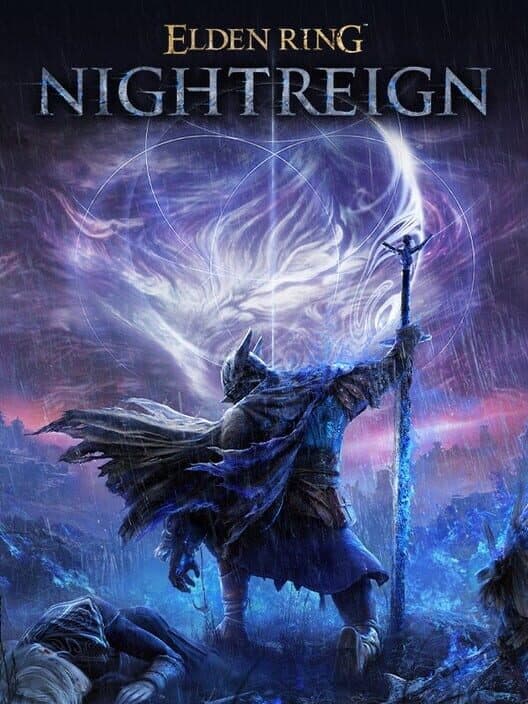
Roguelike co-op Souls-style boss runs

Built around tense 60-minute expeditions

Shines with a regular two-to-three-player group

Is Elden Ring: Nightreign Worth It?

Elden Ring: Nightreign is worth it if you enjoy tough action games and have at least one reliable co-op partner. It takes Elden Ring’s weighty combat and drops it into tight, roguelike-style expeditions where every run feels meaningful. The trade is clear: it asks for focus, tolerance for failure, and 60-minute chunks of mostly uninterrupted time, but it pays you back with huge adrenaline rushes, frequent rewards, and that unmatched feeling of finally beating a brutal boss together. If you loved Elden Ring’s fights but bounced off the enormous open world, Nightreign’s smaller scope and clear run structure will likely feel refreshing. It’s also a great pick if you and a friend want a “main game” to share for a few weeks rather than months. On the other hand, if you prefer pausable, low-stress games, play mostly solo, or want a strong, cinematic story, this probably isn’t a full-price buy. In that case, consider waiting for a sale—or skipping entirely in favor of something calmer and more narrative-driven.

When is Elden Ring: Nightreign at its best?

When you and two friends can carve out a focused 90-minute evening, ready for voice chat, a full expedition, and maybe one intense Nightlord attempt.

On a weekend afternoon when you feel mentally fresh and want a demanding challenge that will leave you buzzing after a hard-fought boss kill with your usual squad.

If you’ve enjoyed Elden Ring’s combat and want a shorter, repeatable format, treating Nightreign as your main game for a few weeks of dedicated play.

What is Elden Ring: Nightreign like?

Nightreign is structured for medium-length sessions and a medium-length overall arc. A typical expedition takes around an hour from leaving the hub to wiping or downing the Nightlord, which lines up well with a 60–90 minute evening slot. There are natural stopping points at the end of each run, and you’ll usually feel comfortable walking away after one or two. To see credits once, expect roughly 15–35 hours depending on your skill and luck—about a few weeks if you play a couple nights per week. The game is far less friendly to constant interruptions: you can’t pause in the field, and stepping away can doom a run for you and your friends. It also benefits a lot from having a stable group, both for coordination and for keeping knowledge fresh. Returning after a long break is very doable, but you’ll need a few warm-up runs to remember builds, bosses, and event rules.

Tips

  • Only start an expedition when you realistically have a full, mostly interruption-free hour available.
  • If you’re tight on time, use quick logins just to manage relics and upgrades instead of launching a run.
  • Try to set a recurring ‘Nightreign night’ with friends so you don’t constantly need to re-learn systems between sporadic sessions.

Nightreign demands a lot of your attention. Once you leave the Roundtable Hold, you’re juggling enemy patterns, teammate health, relic synergies, and the ever-shrinking Night’s Tide circle all at once. There’s rarely a long, low-stakes stretch where you can mentally coast; even simple trash fights can snowball into disaster if you get sloppy or overconfident. The thinking you do is split between planning and reacting: you’ll make route decisions and gear swaps in calmer moments, then flip into fast, instinctive play once attacks start flying. For busy adults, the big takeaway is that this isn’t a background game. You can’t reliably play while chatting with people in the room, checking your phone, or watching a show. The only real breathing space is during the first few minutes in the hub or between expeditions. If you can give it that focus, though, it rewards you with a satisfying sense of flow where decisions, communication, and execution all sync together.

Tips

  • Save it for nights you can truly focus; don’t squeeze runs between chores.
  • Use the hub to align goals and builds so fewer big decisions happen under fire.
  • If you feel mentally foggy, farm easier expeditions instead of pushing new Nightlords.

Learning Nightreign has two layers: understanding what’s happening and then getting good at handling it. The first layer—how expeditions work, what relics do, what your Nightfarer’s kit offers—usually settles in after a handful of sessions. If you’ve played other action RPGs or Soulslikes, you’ll adapt faster; newcomers will need more patience. The second layer is where the game really shines. As you internalize dodge timings, boss patterns, and optimal routes, your experience transforms from scrambling to survive into deliberately pushing risk for bigger rewards. Skill doesn’t delete the randomness of relic rolls or map layouts, but it dramatically improves how much you can do with whatever the game hands you. For a busy adult, this means progress is very tangible across weeks: bosses that once felt impossible become reliable, and your decision-making speeds up. If you like feeling your own improvement as much as getting new loot, Nightreign offers a satisfying long arc of mastery.

Tips

  • Focus on maining one Nightfarer at first so your learning isn’t spread too thin.
  • After each wipe, identify one specific move or decision to improve next time instead of blaming ‘bad luck’.
  • Watch short boss or build videos only after a few blind runs so guides reinforce, not replace, your own learning.

Emotionally, Nightreign sits firmly in the high-intensity camp. From the moment you drop into Limveld, there’s an undercurrent of pressure: the circle is shrinking, resources are limited, and any mistake might ripple into a future wipe. Boss fights, especially Nightlords, turn that pressure up to eleven. Long health bars, layered attack patterns, and the knowledge that you’ve invested 45–60 minutes into this attempt can make your pulse spike and your hands sweat. It’s thrilling when things go well, but it can be draining after a bad streak. There’s no difficulty slider to ease off, so the main way to manage intensity is choosing which expeditions you tackle and who you play with. If you enjoy adrenaline, loud reactions in voice chat, and that exhausted relief after a hard win, this energy is a huge part of the appeal. If you’re looking for something gentle to unwind with after a brutal day, Nightreign will probably feel like too much.

Tips

  • Avoid starting runs when you’re already stressed or exhausted; pick a calmer game instead.
  • Cap yourself at one or two serious Nightlord attempts per night to prevent burnout.
  • Talk with your group about expectations so wipes feel like shared learning, not personal failure.

Frequently Asked Questions