Tripwire Interactive • 2021 • Xbox Series X|S, PlayStation 4, PC (Microsoft Windows), PlayStation 5, Xbox One
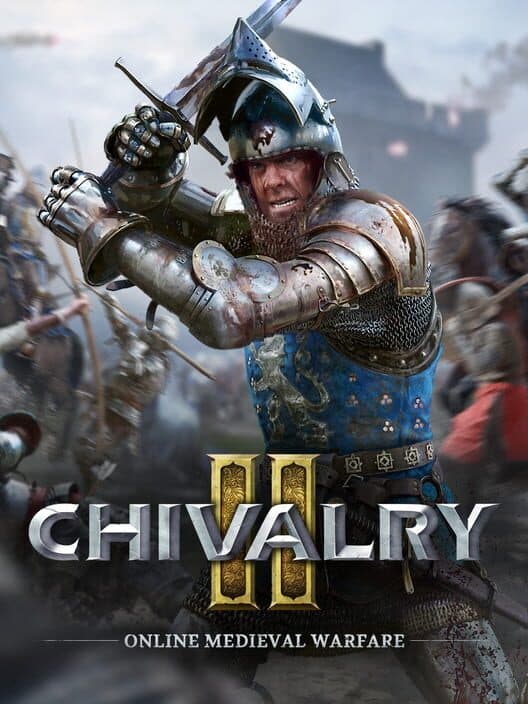
Chivalry 2
Tripwire Interactive • 2021 • Xbox Series X|S, PlayStation 4, PC (Microsoft Windows), PlayStation 5, Xbox One
Is Chivalry 2 Worth It?
Yes, Chivalry 2 is worth it if you want fast, repeatable bursts of online chaos and can laugh when a great fight ends with an axe from nowhere. Its big strength is how quickly it delivers the fantasy. Within your first night you can be charging gates, launching siege weapons, and stumbling into stories that feel equal parts heroic and ridiculous. The catch is that it is rough around the edges. Hit detection can feel inconsistent, onboarding is not especially gentle, and you cannot pause live matches. Buy at full price if you want a social-first action game you can enjoy in 30 to 90 minute chunks and you do not need clean competitive precision. Wait for a sale if you like the idea but are sensitive to jank or only play online games occasionally. Skip it if you want a strong solo experience, a steady sense of fairness, or something calm enough to play half-distracted.
What is Chivalry 2 like?
Opinions of Chivalry 2
What Players Love
- Players Love
Chaotic medieval battles create stories you'll retell later
Players love how one match can swing from heroic last stands to accidental slapstick, with siege weapons, battle cries, and messy team fights making even losses memorable.
- Players Love
Easy to enter, with real room to improve
Many players say the melee basics come quickly, but timing, spacing, counters, and weapon choice still reward practice in ways that feel noticeable.
Common Concerns
- Common Concern
Hit detection and desync can make deaths feel wrong
A common complaint is that missed blocks, odd animations, or network hiccups can make some fights look unfair, especially when the battlefield gets crowded.
- Common Concern
New players can get overwhelmed in uneven matches
Early matches can feel rough when veterans dominate or teams are lopsided, so the first few hours may be more confusing and punishing than funny.
- Common Concern
Grouping up still has some menu and crossplay friction
Players regularly mention party setup and general social quality-of-life annoyances that get in the way of quickly jumping into matches together.
Divisive Aspects
- Divisive
The same chaos feels hilarious to some, sloppy to others
For fans, the rough-and-ready battlefield mess is the whole charm. Others want cleaner, more readable combat and bounce off the game's intentionally rowdy feel.
What does Chivalry 2 demand from you?
Time
LOWTime
Clean 20 to 40 minute matches fit busy evenings well, but live rounds need uninterrupted time and the real experience only exists online.
Focus
HIGHFocus
You stay locked in on timing, spacing, and incoming danger, but the thinking is short-range and practical rather than deep long-term planning.
Challenge
MODERATEChallenge
You can have fun fast, but real comfort comes after several evenings of learning timing, range, and mind games against other people.
Intensity
MODERATEIntensity
It is loud, bloody, and exciting, with regular adrenaline spikes, but quick respawns and a goofy streak keep most frustration from turning into pure misery.
Frequently Asked Questions
You Might Also Like
Games with a similar rhythm and feel, even if they look different