Coffee Stain Publishing • 2020 • Xbox Series X|S, PlayStation 4, PC (Microsoft Windows), PlayStation 5, Xbox One
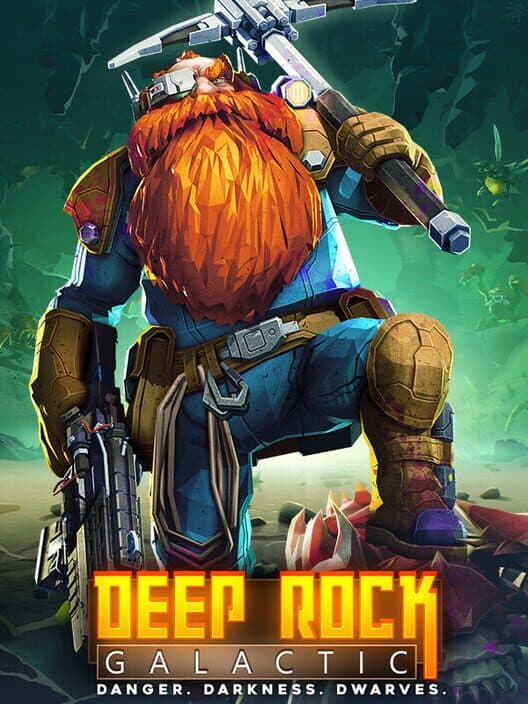
Deep Rock Galactic
Coffee Stain Publishing • 2020 • Xbox Series X|S, PlayStation 4, PC (Microsoft Windows), PlayStation 5, Xbox One
Is Deep Rock Galactic Worth It?
Yes. Deep Rock Galactic is worth it if you want repeatable co-op nights instead of a one-and-done story. Its big strength is how often ordinary missions turn into memorable rescue stories. The classes really do matter, the caves stay fresh thanks to random layouts and destructible terrain, and the dwarven humor keeps repetition from feeling dry. What it asks from you is pretty reasonable: 30 to 45 minute sessions, steady attention once a mission starts, and some willingness to coordinate with friends or strangers. What it gives back is a stream of lively, low-commitment adventures that fit weeknights better than most online games. Buy at full price if you enjoy cooperative play, objective-based runs, and a game you can revisit for months. Wait for a sale if you will play mostly solo, because solo is solid but loses the magic. Skip it if you need pause-anytime flexibility or want strong story momentum.
What is Deep Rock Galactic like?
Opinions of Deep Rock Galactic
What Players Love
- Players Love
Each class brings tools the team truly depends on
Players love that Scout, Engineer, Driller, and Gunner solve different movement and combat problems, so revives, callouts, and smart tool use feel genuinely shared.
- Players Love
Procedural caves keep familiar missions feeling surprisingly fresh
Random cave layouts and destructible terrain change sightlines, routes, and emergency plans, helping repeated objectives create new stories instead of routine runs.
- Players Love
Humor and weapon feel make repetition easier to enjoy
The dwarven banter, chunky sound design, and cheerful space-rig tone give even standard missions a lot of personality, keeping the loop lively over many hours.
Common Concerns
- Common Concern
Solo works well enough, but loses the social spark
Bosco makes solo play practical, but many players say the best moments come from class teamwork, messy rescues, and public lobbies that create unexpected stories.
- Common Concern
Late unlocks can feel slow and somewhat random
After the strong early pace, some players feel overclocks and later build goals arrive too slowly or depend too much on luck rather than steady choice.
Divisive Aspects
- Divisive
Higher hazards are thrilling or simply too visually busy
More experienced players enjoy the chaos, but others find dense swarms, particles, and constant movement tiring in longer sessions or tougher public matches.
What does Deep Rock Galactic demand from you?
Time
MODERATETime
Great stop points between missions, limited flexibility inside them. It fits weeknights well if you can protect a 30 to 45 minute block.
Focus
HIGHFocus
Most runs need steady full-screen attention, but the thinking stays practical: read the cave, watch the team, manage ammo, then survive short bursts of bug-filled chaos.
Challenge
MODERATEChallenge
Easy to start, slower to feel smooth. The basics click fast, but real comfort comes from learning caves, class jobs, and smart team habits.
Intensity
MODERATEIntensity
Pressure comes in waves: calm mining turns into loud, messy swarm fights and frantic extractions, but the dwarven humor keeps the mood exciting instead of grim.
Frequently Asked Questions
You Might Also Like
Games with a similar rhythm and feel, even if they look different