Kwalee • 2026 • Xbox Series X|S, PC (Microsoft Windows), PlayStation 5
Luna Abyss
Kwalee • 2026 • Xbox Series X|S, PC (Microsoft Windows), PlayStation 5
Is Luna Abyss Worth It?
Luna Abyss is worth it if you want a short, stylish action game that feels intense without becoming a second job. Its best qualities are the moon-prison atmosphere, the strange mix of first-person platforming and bullet weaving, and the fact that it reaches credits before the idea wears out. You are buying one authored descent, not an endless progression treadmill. Buy at full price if haunting art direction, movement-heavy combat, and a clean 8 to 12 hour campaign sound great to you. Wait for a sale if you are unsure about first-person platforming, dislike lock-on aiming, or prefer deeper character builds and freer exploration. Skip it if you want a relaxed game you can half-watch while multitasking, because the active moments need real attention. For the right player, it delivers memorable visuals, steady momentum, and a satisfying sense of finishing something complete in a week or two.
What is Luna Abyss like?
Opinions of Luna Abyss
What Players Love
- Players Love
Atmosphere and visual design leave a strong impression
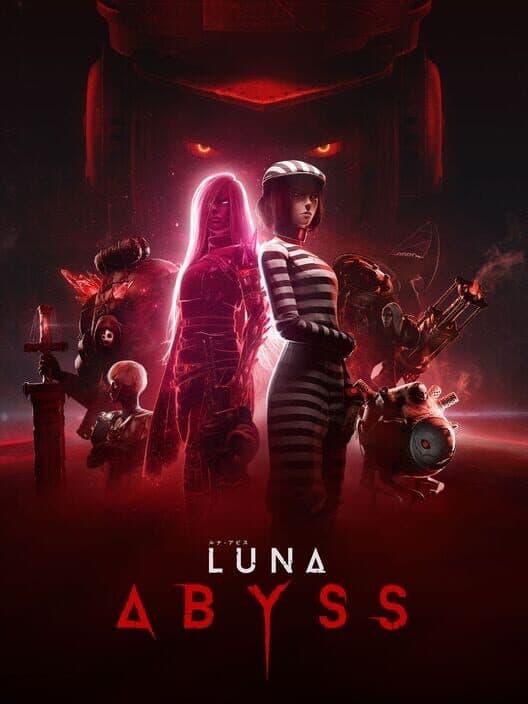
Players consistently praise the brutalist moon-prison look, eerie sound design, and oppressive scale. Even critics with caveats say the setting pulls them forward.
- Players Love
Combat and platforming blend into a fresh rhythm
Once dash, extra weapons, and later movement tools arrive, many players say the game finds a satisfying flow of lock-on shooting, weaving, and traversal.
- Players Love
Short campaign feels focused instead of dragged out
A common positive is that the campaign ends before repetition sets in. Players like making real progress in a few nights without open-world checklist fatigue.
Common Concerns
- Common Concern
Late difficulty spikes can break the smooth flow
Normal play is often called fair, but several players say the final stretch jumps harder than the rest, which can make the curve feel uneven.
- Common Concern
Pacing and launch rough edges dull some highs
Repeated corridor stretches, pauses in momentum, and early bugs like freezes or soft locks show up in feedback. Patches helped, but the complaint did have substance.
Divisive Aspects
- Divisive
Lock-on aiming feels smart or too automatic
Some players love lock-on because it makes bullet patterns and movement readable. Others feel it trims too much of the shooter challenge, even with manual aim available.
What does Luna Abyss demand from you?
Time
LOWTime
This is a compact solo campaign built for weeknight progress, though checkpoint saving means you should reach the next marker before calling it.
Focus
HIGHFocus
You need your eyes on the screen and your hands engaged, especially in combat rooms where dodging, jumping, and shield matching happen all at once.
Challenge
MODERATEChallenge
The odd mix of first-person platforming, lock-on shooting, and pattern dodging takes a few hours to click, then settles into a readable rhythm.
Intensity
MODERATEIntensity
It feels tense and fast rather than punishing, with eerie sci-fi dread around the edges and enough checkpoints to keep setbacks from ruining the night.
Frequently Asked Questions
You Might Also Like
Games with a similar rhythm and feel, even if they look different