Loiste Interactive • 2018 • PC (Microsoft Windows)
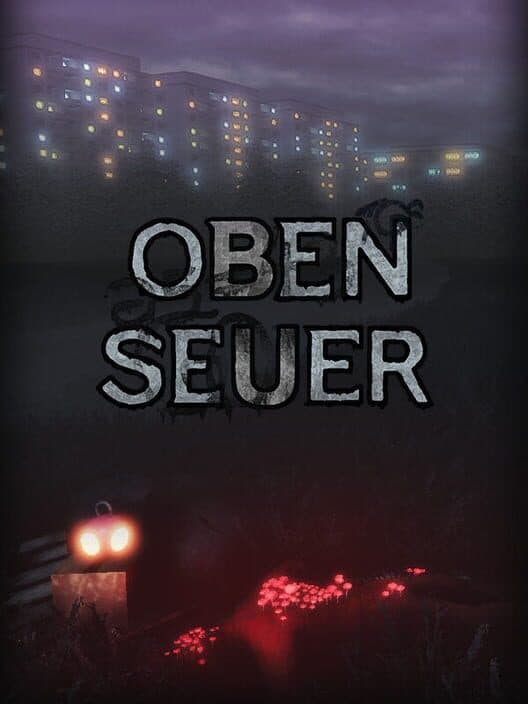
Obenseuer is worth it if you love harsh, systems-heavy games and can accept rough edges. Its special hook is not power fantasy. It is the slow, dirty satisfaction of turning a broken tenement in a quarantine district into something livable and profitable. Every repaired room, useful scavenging run, and stable income loop feels earned. The catch is that the game asks for patience. Early hours are opaque, the interface can fight you, and technical jank is part of the package. Buy at full price if that premise already sounds perfect and you usually enjoy survival management more than polished action. Wait for a sale if the atmosphere appeals to you but you are unsure about bugs, slow pacing, or heavy upkeep. Skip it if you want smooth onboarding, clean menus, or a relaxing night game. For the right player, it is memorable and weirdly rewarding. For the wrong player, it can feel like work layered on top of grime.

Loiste Interactive • 2018 • PC (Microsoft Windows)
Obenseuer is worth it if you love harsh, systems-heavy games and can accept rough edges. Its special hook is not power fantasy. It is the slow, dirty satisfaction of turning a broken tenement in a quarantine district into something livable and profitable. Every repaired room, useful scavenging run, and stable income loop feels earned. The catch is that the game asks for patience. Early hours are opaque, the interface can fight you, and technical jank is part of the package. Buy at full price if that premise already sounds perfect and you usually enjoy survival management more than polished action. Wait for a sale if the atmosphere appeals to you but you are unsure about bugs, slow pacing, or heavy upkeep. Skip it if you want smooth onboarding, clean menus, or a relaxing night game. For the right player, it is memorable and weirdly rewarding. For the wrong player, it can feel like work layered on top of grime.
Even critics often praise the sense of place. Cramped interiors, urban decay, and constant grime give the district a mood few games manage to sustain.
Bugs, awkward interactions, and general lack of polish are common complaints. Many players like the idea and atmosphere more than the moment-to-moment smoothness.
For some players, hunger, fatigue, and constant upkeep make the district feel real. For others, that same pressure turns routine play into tiring busywork.
Repairing rooms, furnishing apartments, and building reliable rent income makes progress feel tangible. Many players say the building starts to feel truly theirs.
The opening hours ask you to figure out too much alone. Unclear inventory handling, weak onboarding, and muddy priorities cause many early drop-offs.
Even critics often praise the sense of place. Cramped interiors, urban decay, and constant grime give the district a mood few games manage to sustain.
Repairing rooms, furnishing apartments, and building reliable rent income makes progress feel tangible. Many players say the building starts to feel truly theirs.
Bugs, awkward interactions, and general lack of polish are common complaints. Many players like the idea and atmosphere more than the moment-to-moment smoothness.
The opening hours ask you to figure out too much alone. Unclear inventory handling, weak onboarding, and muddy priorities cause many early drop-offs.
For some players, hunger, fatigue, and constant upkeep make the district feel real. For others, that same pressure turns routine play into tiring busywork.
It respects real-life interruptions better than most survival games, but it still rewards longer solo sessions and asks you to remember a messy web of priorities.
Obenseuer asks for a moderate overall time investment and a little self-discipline around session endings. A busy player can feel satisfied in roughly 25 to 40 hours, once the tenement is partly stable and the district's major systems and mysteries make sense. The good news is that it is flexible inside that larger arc. Full pause and save-anywhere freedom make sudden real-life interruptions easy to manage, and there is no social obligation pulling you back on someone else's schedule. That said, the moment-to-moment rhythm works best in 60 to 120 minute blocks. Short check-ins are possible, but the game feels much better when you have time for one scavenging run, a return trip, and a bit of repair work. Stopping points are self-made rather than cleanly packaged. You usually quit after unloading loot, sleeping, or finishing a room task. The biggest time tax comes after a break of several days, when you may need a few minutes to remember what the building needed, what was in your inventory, and which errands still mattered.
Most of the work is mental: tracking needs, loot, money, and repair plans while picking careful routes through a district that rarely lets you coast.
Obenseuer asks for steady, hands-on attention, but not the kind built around fast reflexes. Most sessions are about holding a messy mental picture together: what your body needs, what the building needs, what you can carry, what you can afford, and what can wait until tomorrow. The payoff is a strong sense of ownership. A good scavenging run feels rewarding because it was planned, not because you out-shot anyone. You can pause whenever life interrupts, but while you are actively playing, it is hard to drift too far from the screen. Streets, interiors, needs meters, and inventory choices all want your eyes. The thinking is mostly practical and analytical rather than speedy or pattern-heavy. Space matters, but mainly in the form of cramped routes, room use, and efficient hauling. If you enjoy games where satisfaction comes from making smart tradeoffs and slowly understanding a hostile place, this delivers that in a very distinctive way. If you want something you can half-watch while doing something else, it is a poor match.
The real hurdle is learning rough, underexplained systems and surviving long enough for the building to start working for you instead of against you.
Obenseuer asks for patience up front and pays it back slowly. The first several hours can feel harder than the rest of the game because basic understanding comes late. Menus are not always friendly, priorities are not always obvious, and the game often expects you to learn by wasting time or resources. In return, it delivers one of its best feelings: the moment the chaos starts to make sense. Once you understand how scavenging, repairs, rent, vendors, and personal upkeep connect, the experience shifts from desperate stumbling to deliberate planning. It is not especially demanding in a mechanical sense. You are not learning combo strings or razor-thin timing windows. Instead, you are learning a rough survival economy. Mistakes sting, but they usually teach rather than erase the whole save. Players who enjoy experimentation, note-taking, and gradual competence will likely click with it. Players who want a smooth tutorial, clean interface, and quick empowerment may bounce off before the good part arrives.
This is more draining than thrilling, with steady scarcity and bleak mood making small setbacks sting even when the action itself stays fairly calm.
Obenseuer asks you to live with pressure rather than spikes of panic. Hunger, fatigue, grime, money trouble, and the feeling of never having quite enough create a constant low hum of stress. In return, it gives atmosphere and hard-won relief. Finishing one room, cooking a meal, or getting home with useful supplies feels better because the district has been leaning on you the whole time. The hard moments usually come from attrition, confusion, and expensive mistakes, not boss-fight spectacle. That means it is less heart-racing than an action game or horror game, but often more wearing over a long evening. Failure hurts, though it rarely wipes everything away. You usually lose time, supplies, health, or momentum instead of the whole run. The tone matters a lot here: this world is dirty, sickly, and openly hostile. If you want a cozy unwind, this is the wrong shelf. If you like bleak immersion and the satisfaction of clawing out small pieces of stability, the pressure is part of the reward.
Games with a similar rhythm and feel, even if they look different