Hooded Horse • 2026 • PC (Microsoft Windows), Mac
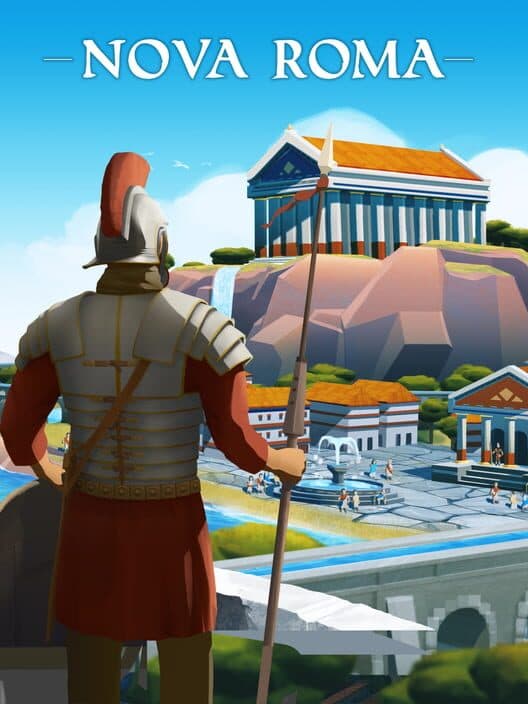
Nova Roma is worth it if you love city-builders that make infrastructure feel physical. Its best idea is the water layer: dams, aqueducts, fertility, and terrain turn the map into a real planning problem, not just a backdrop for placing houses. The payoff is strong. You get that steady, satisfying feeling of taking a shaky settlement and making it finally work, one fix at a time. It also fits weeknight play better than many strategy games because you can pause freely, save whenever you want, and make real progress in an hour. The catch is that it is still in Early Access, and you will feel that. Tooltips and interface feedback can be murky, and some rough edges in pathing or construction are still visible. Buy at full price if you enjoy learning layered systems and do not mind a little jank in exchange for a fresh hook. Wait for a sale if you want clearer onboarding. Skip it for now if you need a polished, guided experience or mostly play for story.

Hooded Horse • 2026 • PC (Microsoft Windows), Mac
Nova Roma is worth it if you love city-builders that make infrastructure feel physical. Its best idea is the water layer: dams, aqueducts, fertility, and terrain turn the map into a real planning problem, not just a backdrop for placing houses. The payoff is strong. You get that steady, satisfying feeling of taking a shaky settlement and making it finally work, one fix at a time. It also fits weeknight play better than many strategy games because you can pause freely, save whenever you want, and make real progress in an hour. The catch is that it is still in Early Access, and you will feel that. Tooltips and interface feedback can be murky, and some rough edges in pathing or construction are still visible. Buy at full price if you enjoy learning layered systems and do not mind a little jank in exchange for a fresh hook. Wait for a sale if you want clearer onboarding. Skip it for now if you need a polished, guided experience or mostly play for story.
Players keep praising dams, aqueducts, and flood stories because the land itself matters. Water is not decoration here; it shapes each city's problems and identity.
Many players struggle to read water flow, storage rules, fertility, temple reach, and god status. The depth is appealing, but the game does not always teach it well.
A minority of players initially see a familiar settlement-builder structure. Others argue the water layer and longer planning chains make it feel more distinct over time.
The fun comes from solving one issue only to uncover the next. When food, labor, housing, and worship finally line up, the city feels earned rather than handed to you.
Reports mention odd bridge placement, terrain clipping, strange routes, and occasional combat or building behavior that breaks immersion. It feels playable, but not fully polished yet.
Players keep praising dams, aqueducts, and flood stories because the land itself matters. Water is not decoration here; it shapes each city's problems and identity.
The fun comes from solving one issue only to uncover the next. When food, labor, housing, and worship finally line up, the city feels earned rather than handed to you.
Many players struggle to read water flow, storage rules, fertility, temple reach, and god status. The depth is appealing, but the game does not always teach it well.
Reports mention odd bridge placement, terrain clipping, strange routes, and occasional combat or building behavior that breaks immersion. It feels playable, but not fully polished yet.
A minority of players initially see a familiar settlement-builder structure. Others argue the water layer and longer planning chains make it feel more distinct over time.
It fits real life well moment to moment, but a city still becomes a long personal project you need to remember between sessions.
Nova Roma is easy to fit into a single evening and harder to fit into a very stop-start month. On the good side, it is single-player, fully pausable, and friendly to saving, so real-life interruptions are rarely a big deal. You can absolutely play for an hour, fix a bread problem, reroute water, unlock a useful technology, and leave feeling like the session mattered. What it asks for over the long term is continuity. There are few hard chapter breaks or mission endings, so your natural stop points are self-made. You stop when the city feels stable, not when the game formally says you are done. One satisfying city will likely stretch across several weeks of regular play, and long gaps make re-entry harder because you need to remember why everything was built the way it was. In return, you get a strong project feeling. The city becomes something you return to, shape, and slowly understand, rather than a disposable run.
Most sessions are calm but mentally busy, with constant checking, planning, and map reading rather than fast clicking or split-second reactions.
Nova Roma asks you to think in chains. Water placement affects farms, farms affect bread, bread affects housing growth, and growth strains labor, taxes, and temple coverage. A normal night starts with reacquainting yourself with the city, then turns into a steady loop of checking problems, tracing causes, and choosing what to fix first. The good news is that almost all of this is thoughtful rather than twitchy. You can pause, zoom out, and work methodically. The trade-off is that the game does not love half-attention. If you leave it running while you answer messages or look away for long stretches, shortages and other slow-burn problems can sneak up on you. It asks for your brain more than your hands, and in return it delivers that wonderful city-builder feeling where messy systems start making sense. If you enjoy reading a map, spotting bottlenecks, and making smart corrections, this is absorbing. If you want something you can truly play on autopilot, it will feel demanding.
The hardest part is not clicking fast but learning what the city is really telling you about water, storage, fertility, and services.
Nova Roma is moderately hard to learn, mostly because it can be hard to read. The first several hours are less about sharp execution and more about building a mental model of how water flow, aqueduct placement, warehouse behavior, fertility, temple coverage, and labor all connect. That means the game asks for patience up front. Some failures will come from your choices, and some will come from not yet understanding what the interface is trying to say. The upside is that once the basics click, the challenge becomes much more satisfying. You stop feeling lost and start feeling clever. It asks you to experiment, observe, and accept a few messy learning cities, then pays you back with a strong sense of ownership over every stable district and every supply chain that finally works. This is not the kind of game you master in an hour, but it also is not a brutal wall. If you like learning by testing ideas and adjusting, it becomes rewarding fairly quickly.
Pressure comes from fragile systems and surprise raids, but pause and planning keep the mood more tense than panicked.
The stress here is mostly the good kind. Nova Roma creates steady pressure through shortages, unhappy gods, awkward terrain, floods, and occasional raids, but it rarely turns into pure panic because you can stop the clock and think. That makes the emotional feel very different from an action game. The sharpest moments usually come when one fix reveals two new problems, or when a city that seemed stable suddenly starts wobbling. It asks for comfort with slow-burn pressure and imperfect plans, then rewards you with the deep satisfaction of pulling a settlement back from the edge. The main caveat is that some of the roughness comes from Early Access rather than pure design. When a tooltip is vague or pathing behaves oddly, the pressure can flip from exciting to frustrating. So this lands in a middle zone: more demanding than a cozy builder, far less overwhelming than a punishing survival game. It is a strong fit when you want engaged problem-solving, not when you want pure relaxation.
Games with a similar rhythm and feel, even if they look different