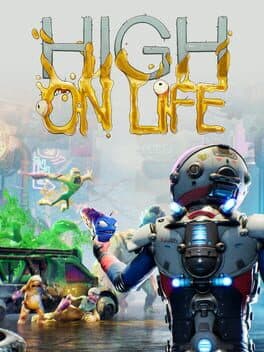
Squanch Games • 2026 • Xbox Series X|S, Nintendo Switch 2, PC (Microsoft Windows), PlayStation 5
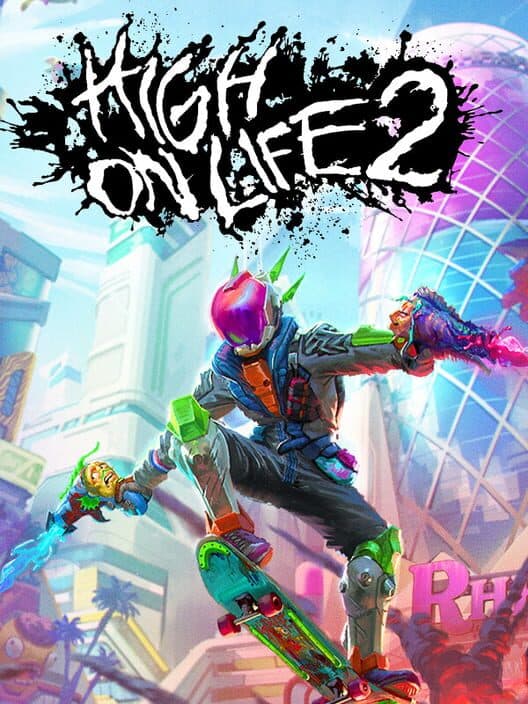
High on Life 2 is worth it if you want a compact, funny action ride and the series' crude style already sounds appealing. The best thing it delivers is movement: the skateboard makes getting around and staying mobile in fights feel fast and fresh, and the campaign packs a lot of weird set pieces into 10 to 15 hours. You also get a clear solo structure, full pause, and enough side bits to add flavor without turning it into a second job. The catch is that a lot of the value depends on taste and polish. If the humor misses for you, much of the game's identity goes with it. Launch bugs, softlocks, and checkpoint frustrations also mean it can feel rougher than a breezy shooter should. Buy at full price if you liked the first game or already know this tone works for you. Wait for a sale or use Game Pass if you're curious but unsure about the comedy. Skip it if forced chatter, crude jokes, or technical hiccups kill your patience.

Squanch Games • 2026 • Xbox Series X|S, Nintendo Switch 2, PC (Microsoft Windows), PlayStation 5
High on Life 2 is worth it if you want a compact, funny action ride and the series' crude style already sounds appealing. The best thing it delivers is movement: the skateboard makes getting around and staying mobile in fights feel fast and fresh, and the campaign packs a lot of weird set pieces into 10 to 15 hours. You also get a clear solo structure, full pause, and enough side bits to add flavor without turning it into a second job. The catch is that a lot of the value depends on taste and polish. If the humor misses for you, much of the game's identity goes with it. Launch bugs, softlocks, and checkpoint frustrations also mean it can feel rougher than a breezy shooter should. Buy at full price if you liked the first game or already know this tone works for you. Wait for a sale or use Game Pass if you're curious but unsure about the comedy. Skip it if forced chatter, crude jokes, or technical hiccups kill your patience.
Across reviews and player threads, the board is the standout addition. It speeds up travel, adds flow to combat, and gives the sequel a stronger identity.
The biggest complaint is technical roughness. Crashes, progression blockers, frame drops, and checkpoint trouble can interrupt what should be a breezy campaign.
Some players think the writing is funnier and less grating this time, while others say the jokes drag or miss the original game's specific voice.
Players who click with the tone praise the steady stream of parody scenes, mini-games, background gags, and less overbearing weapon chatter than before.
A meaningful share of players say the shooting lacks punch and that extended dialogue or scripted joke delivery can stall the movement-heavy flow.
Across reviews and player threads, the board is the standout addition. It speeds up travel, adds flow to combat, and gives the sequel a stronger identity.
Players who click with the tone praise the steady stream of parody scenes, mini-games, background gags, and less overbearing weapon chatter than before.
The biggest complaint is technical roughness. Crashes, progression blockers, frame drops, and checkpoint trouble can interrupt what should be a breezy campaign.
A meaningful share of players say the shooting lacks punch and that extended dialogue or scripted joke delivery can stall the movement-heavy flow.
Some players think the writing is funnier and less grating this time, while others say the jokes drag or miss the original game's specific voice.
This is a compact solo campaign with clear goals, good pause support, and checkpoint saves that feel best when you stop between objectives.
This is a compact solo campaign, not a forever game. Most people will feel satisfied after about 10 to 15 hours, which makes it easy to spread across two or three weeks of normal evening play. A typical night of 60 to 90 minutes is enough to clear a story beat, a boss setup, or a handful of side detours without feeling like you barely moved the needle. The game asks for a little discipline about where you stop. Full pause helps a lot when life interrupts, but checkpoint saving means the cleanest exits come between objectives rather than in the middle of a long sequence. Because the structure is clear and there is no group obligation, it fits better around a busy schedule than most ongoing games. Coming back after a break is not painless, since you may need to remember what each gun does, but the main path stays readable. In return, you get a self-contained run with a real ending instead of an endless content treadmill.
Most of the time you're reading arenas, swapping guns, and staying mobile, but the game rarely asks for heavy planning or deep system management.
High on Life 2 asks for active, eyes-on play, but not a giant mental spreadsheet. The core loop is immediate: keep moving, aim cleanly, read where enemies are coming from, and remember which talking gun or alt-fire solves the current problem. The skateboard and first-person platforming add a real sense of space, so you are not just shooting from cover. In fights, you cannot drift off or split attention with a second screen. Outside fights, though, the game gives you breathers through hub wandering, shops, chatter, and joke sequences. That rhythm matters. It asks for short bursts of real concentration, then pays you back with fast momentum and a steady stream of weird authored bits. If you like action that keeps your hands busy without making every encounter feel like a final exam, this lands well. If you want something you can half-watch while tired, it will feel too noisy and demanding once combat starts.
You can get comfortable fast if you've played shooters before, then spend a few sessions smoothing out skating, tool use, and boss gimmicks.
High on Life 2 is easier to get into than it first looks. If you already speak the language of shooters, you will understand the basics quickly: move, aim, swap weapons, use alt-fires, and keep pressure on enemies. The learning bump comes from the sequel's extra movement layer. First-person skating, rail lines, traversal tools, and weapon-specific gimmicks take a few sessions before they feel natural instead of slightly awkward. The good news is that the game usually teaches by doing rather than by hiding rules. It asks for adaptation, not homework. In return, you get the fun of smoothing out your movement and discovering which weapons click for you without needing a dozen hours just to feel competent. Failures are usually manageable, especially on normal or lower settings. The main caveat is polish: when the game feels rough, that friction can make learning seem harsher than the actual mechanics really are.
Fights are lively and messy, yet the mood stays more goofy than nerve-racking, with frustration coming from bugs or pacing more than fear.
This is more loud and messy than truly stressful. The gore, profanity, and constant absurdity make sessions feel aggressive on the surface, but the emotional tone is usually playful rather than punishing. Most firefights are brisk and manageable, and even boss battles feel more like short spikes of pressure than drawn-out ordeals. The game asks you to tolerate noise, chaos, and a lot of joke-heavy chatter. In return, it delivers a breezy action ride that stays energized without usually becoming exhausting. The bigger risk is not fear or crushing difficulty. It is irritation. Technical issues, checkpoint friction, or a gag that goes on too long can create the bad kind of tension faster than the combat itself. That makes High on Life 2 a decent pick when you want something lively after work, but a weaker fit for nights when you want calm, quiet, or a guaranteed smooth ride.
Games with a similar rhythm and feel, even if they look different