Squanch Games • 2022 • Xbox Series X|S, PlayStation 4, PC (Microsoft Windows), PlayStation 5, Xbox One, Nintendo Switch
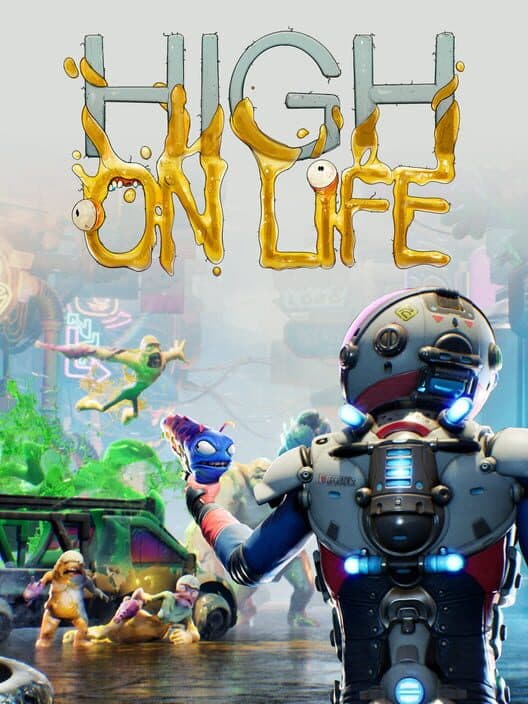
High on Life is worth it if you want a short, personality-first shooter and you already suspect the comedy is your thing. Its best hook is easy to explain: colorful alien worlds, talking guns with strong personalities, and a campaign that actually ends before it takes over your month. For someone playing a few evenings a week, that is a real advantage. What it asks from you is not deep mastery so much as tolerance for constant chatter. The shooting is active but approachable, with clear goals, forgiving checkpoints, and enough light exploration to break up the arenas. The catch is that the humor is not background seasoning. It is the main flavor. If the jokes land, even simple combat feels buoyant. If they do not, the same banter can make the whole ride feel longer. Buy at full price if you enjoy absurd sci-fi comedy and want a manageable solo campaign. Wait for a sale if you are unsure about the humor or want deeper gunplay. Skip it if you want something serious, quiet, or safe to play around family.

Squanch Games • 2022 • Xbox Series X|S, PlayStation 4, PC (Microsoft Windows), PlayStation 5, Xbox One, Nintendo Switch
High on Life is worth it if you want a short, personality-first shooter and you already suspect the comedy is your thing. Its best hook is easy to explain: colorful alien worlds, talking guns with strong personalities, and a campaign that actually ends before it takes over your month. For someone playing a few evenings a week, that is a real advantage. What it asks from you is not deep mastery so much as tolerance for constant chatter. The shooting is active but approachable, with clear goals, forgiving checkpoints, and enough light exploration to break up the arenas. The catch is that the humor is not background seasoning. It is the main flavor. If the jokes land, even simple combat feels buoyant. If they do not, the same banter can make the whole ride feel longer. Buy at full price if you enjoy absurd sci-fi comedy and want a manageable solo campaign. Wait for a sale if you are unsure about the humor or want deeper gunplay. Skip it if you want something serious, quiet, or safe to play around family.
Players often say the weapons, voice work, and weird alien setting make it instantly memorable. Even people mixed on the shooting still remember the personalities.
A common complaint is that the early novelty outpaces the mechanical growth. Later fights can feel repetitive if you wanted deeper enemy mixes or gunplay depth.
This is the biggest split in player response. If the constant chatter makes you laugh, the whole ride feels lighter. If it grates on you, nearly every mission suffers.
Many players like that it tells a full story in around ten hours while still giving you secrets, upgrades, and optional detours to chase between main objectives.
Reports of stutter, bugs, and rough frame pacing show up often enough to matter, though the severity seems to vary by platform and patch state.
Players often say the weapons, voice work, and weird alien setting make it instantly memorable. Even people mixed on the shooting still remember the personalities.
Many players like that it tells a full story in around ten hours while still giving you secrets, upgrades, and optional detours to chase between main objectives.
A common complaint is that the early novelty outpaces the mechanical growth. Later fights can feel repetitive if you wanted deeper enemy mixes or gunplay depth.
Reports of stutter, bugs, and rough frame pacing show up often enough to matter, though the severity seems to vary by platform and patch state.
This is the biggest split in player response. If the constant chatter makes you laugh, the whole ride feels lighter. If it grates on you, nearly every mission suffers.
A short solo campaign, clear mission chunks, and full pause make it weeknight-friendly, though checkpoint saves add a little looseness to exact stopping points.
High on Life fits busy schedules better than its loud personality might suggest. It asks for about 8 to 12 hours to see the ending, with a few more if you want extra chests, upgrades, and backtracking. Because the campaign is split into bounties, planet visits, boss fights, and hub returns, most sessions end at natural stopping points. That structure pays off well for weeknight play. You can usually sit down for an hour, finish something meaningful, and leave feeling like the story moved forward. Full pause also helps a lot when real life interrupts. The only real scheduling catch is that saving is mostly handled for you, so quitting at the exact second you want is not always perfect. Coming back after several days is manageable thanks to clear markers, though you may need a few minutes to remember which gun opens which route. There are no social obligations, no group calendars, and no live-service pressure. One good solo playthrough delivers most of the value.
Most of the time you're following clear paths, handling readable fights, and juggling talking-gun abilities that need attention without demanding elite shooter reflexes.
High on Life asks for steady screen attention, but not the locked-in tunnel vision of a hard shooter. Most of the time you're following clear paths, listening to constant weapon chatter, and handling small-to-medium fights where the important choices are practical: which gun fits the enemy, whether to spend an alt fire, when to dodge, and when to grapple to a safer angle. That means you are engaged often, but rarely buried under systems. The upside is flow. You can jump in after work, understand the goal quickly, and make progress without studying menus or planning builds. The tradeoff is that it does not love divided attention. If you half-watch your phone during combat, you can absolutely get clipped by projectiles or lose track of where enemies are coming from. Quieter hub stretches and traversal give you breathing room, though, so the game never feels relentlessly demanding. Think active, guided, and readable rather than deeply strategic or twitch-extreme.
You can learn the basics quickly, then get smoother by using the full gun kit well instead of studying deep systems or brutal boss tech.
High on Life is easy to get comfortable with and only moderately demanding to finish. It asks you to learn a small toolkit well: move often, dodge on time, recognize basic enemy tells, and remember what each talking gun is good at in combat and traversal. New weapons and abilities keep adding little wrinkles, but the game never turns into a heavy rules test. Clear objectives and plain-language tutorials do a lot of the teaching for you. In return, you get the nice feeling of growing smoother without having to grind or read guides. Bosses and a few busy arenas are where the learning pays off most. They reward noticing patterns, using your full toolkit, and staying mobile. Still, mistakes are treated kindly. A failed attempt usually means a short retry, not a major loss of time or resources. That forgiveness matters. It lets you learn by doing instead of by suffering. If you already play action games, the curve is gentle. If you rarely play shooters, there will be bumps, but the game is designed to get you through rather than weed you out.
It feels loud, messy, and playful more than scary, with short combat spikes that wake you up but usually fade fast after a retry.
This is a lively game, not a punishing one. It asks for short bursts of alertness during boss fights and crowded arenas, then pays you back with quick recoveries, nearby checkpoints, and a tone that keeps most setbacks from feeling too heavy. The colorful worlds, ridiculous enemies, and constant jokes take a lot of the sting out of dying. Even when a fight gets messy, the mood is more chaotic and silly than grim or nerve-fraying. That makes it easier to play in regular weeknight chunks than something built around fear, survival, or repeated punishment. The main caveat is that noise itself can be tiring. If the humor lands, the chatter adds energy and personality. If it does not, the nonstop banter can create a different kind of fatigue, where you are less stressed by danger and more worn down by the sound and tone. So the game delivers excitement in moderate spikes, not the kind of pressure that leaves you needing a long break afterward.
Games with a similar rhythm and feel, even if they look different