hello@slated.gg
Powered by IGDB•Privacy•Terms

© 2026 Slated.gg

Slated.gg
Popular GamesAboutDiscover Games

Dragon Ball: Sparking! Zero

Bandai Namco Entertainment • 2024 • PC (Microsoft Windows), PlayStation 5, Nintendo Switch, Xbox Series X|S, Nintendo Switch 2

Satisfying to completePerfect for a weekendCompetitive

Is Dragon Ball: Sparking! Zero Worth It?

Yes, if you want loud, flashy Dragon Ball battles in short bursts, Dragon Ball: Sparking! Zero is worth it. Buy at full price if you love the series, enjoy picking a favorite fighter, and want a game that feels great in 20- to 90-minute sessions. Its biggest strength is simple: it really sells the fantasy of impossible speed, giant supers, transformations, and dream matchups. The roster is huge, the presentation pops, and even casual offline fights can feel dramatic. Wait for a sale if you care more about polished story delivery or a tightly balanced competitive experience. The story mode does the job, but it is not the main attraction, and the onboarding can be messy before defense and camera control click. Skip it if you want calm background play, crystal-clear readability, or a slower game you can half-watch while doing something else. For the right player, this is an easy recommendation. It asks for focus and a little practice, then pays you back with pure anime spectacle.

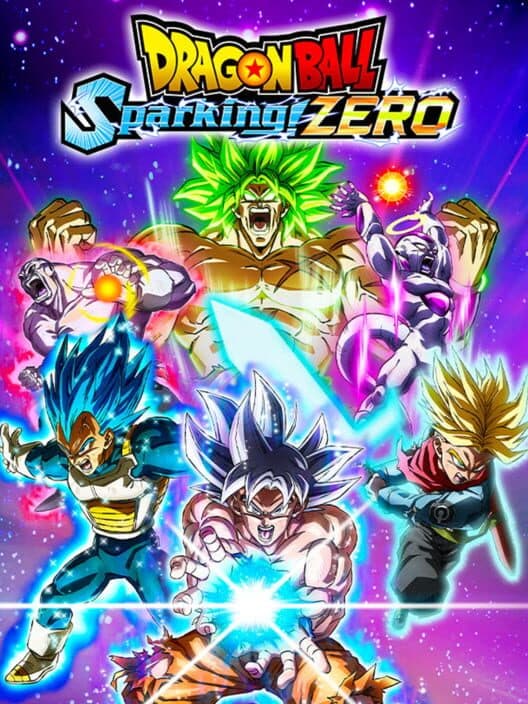
Dragon Ball: Sparking! Zero cover art

Dragon Ball: Sparking! Zero

Bandai Namco Entertainment • 2024 • PC (Microsoft Windows), PlayStation 5, Nintendo Switch, Xbox Series X|S, Nintendo Switch 2

Satisfying to completePerfect for a weekendCompetitive

Is Dragon Ball: Sparking! Zero Worth It?

Yes, if you want loud, flashy Dragon Ball battles in short bursts, Dragon Ball: Sparking! Zero is worth it. Buy at full price if you love the series, enjoy picking a favorite fighter, and want a game that feels great in 20- to 90-minute sessions. Its biggest strength is simple: it really sells the fantasy of impossible speed, giant supers, transformations, and dream matchups. The roster is huge, the presentation pops, and even casual offline fights can feel dramatic. Wait for a sale if you care more about polished story delivery or a tightly balanced competitive experience. The story mode does the job, but it is not the main attraction, and the onboarding can be messy before defense and camera control click. Skip it if you want calm background play, crystal-clear readability, or a slower game you can half-watch while doing something else. For the right player, this is an easy recommendation. It asks for focus and a little practice, then pays you back with pure anime spectacle.

What is Dragon Ball: Sparking! Zero like?

Opinions of Dragon Ball: Sparking! Zero

What Players Love

Common Concerns

Divisive Aspects

Players Love

Huge roster makes favorite matchups easy to stage

Players love how many recognizable fighters are included, with signature moves and transformations that make dream battles and casual what-if matchups instantly appealing.

Common Concern

Story mode feels thinner than the combat around it

Many players enjoy the fights far more than the story presentation. Episode Battle covers familiar material, but its pacing and polish often feel lighter than the action.

Divisive

Chaotic arena battles delight fans but frustrate precision seekers

Fans of wild, explosive anime duels see the looseness as part of the fun. Others want cleaner balance, clearer spacing, and a more controlled competitive feel.

Players Love

Beam clashes and supers sell the anime fantasy

The biggest praise is pure spectacle. Transformations, giant attacks, and breaking stages give fights the loud, over-the-top energy fans expect from Dragon Ball.

Common Concern

New players can struggle to read and learn fights

Camera swings, fast effects, and lightly explained defense systems can make early hours feel messy. Several players say it clicks only after practice and experimentation.

Players Love

Huge roster makes favorite matchups easy to stage

Players love how many recognizable fighters are included, with signature moves and transformations that make dream battles and casual what-if matchups instantly appealing.

Players Love

Beam clashes and supers sell the anime fantasy

The biggest praise is pure spectacle. Transformations, giant attacks, and breaking stages give fights the loud, over-the-top energy fans expect from Dragon Ball.

Common Concern

Story mode feels thinner than the combat around it

Many players enjoy the fights far more than the story presentation. Episode Battle covers familiar material, but its pacing and polish often feel lighter than the action.

Common Concern

New players can struggle to read and learn fights

Camera swings, fast effects, and lightly explained defense systems can make early hours feel messy. Several players say it clicks only after practice and experimentation.

Divisive

Chaotic arena battles delight fans but frustrate precision seekers

Fans of wild, explosive anime duels see the looseness as part of the fun. Others want cleaner balance, clearer spacing, and a more controlled competitive feel.

What does Dragon Ball: Sparking! Zero demand from you?

Time

LOW

Time

Great in 20- to 90-minute bursts, with clear stopping points and a quick path to feeling satisfied, as long as you accept autosaves and a little rust after breaks.

LOW

This fits busy schedules better than most flashy action games. Matches are short, menus are clear, and one fight or one story node is a natural place to stop. You can get the main feel of the game in roughly 10 to 20 hours: see the big story beats, find a few favorite characters, and learn how fights work without pure mashing. After that, extra time is mostly optional fun through more characters, alternate story branches, local battles, or online matches. There are a few catches. Progress relies mostly on autosaves between fights rather than save-anywhere freedom, so quitting mid-battle is not ideal. Online also behaves like online fighting games always do: once a match starts, real life does not get much room. Returning after a week away is manageable, but you will probably need a couple of warm-up matches to get your timing back. It asks for short bursts and occasional skill upkeep, then rewards you with flexible session lengths and replay value that works on your schedule.

Tips

  • Plan sessions around two or three fights. That gives you a clean stopping point before the one-more-match pull turns 20 minutes into an hour.
  • Use offline modes when life is unpredictable. They pause better, end faster, and handle sudden interruptions much more gracefully than online play.
  • After a week away, start with an easy AI fight. Five warm-up minutes usually restores your timing before story retries or online matches.

Focus

HIGH

Focus

Fights need full eyes-on attention and quick reads, but not deep long-range planning; the fun comes from fast spacing, meter choices, counters, and camera control.

HIGH

This is not a background game. Once a fight starts, you are tracking distance, altitude, ki, camera position, and the next vanish or counter window almost every second. The thinking is quick and practical, not slow and chess-like. You are making lots of small reads: rush in or back off, spend meter or save it, chase into the air or reset and defend. The trade-off is clear. It asks for full eyes-on attention and active hands, then pays you back with those wild Dragon Ball moments where a clean counter turns into a giant super and a blown-up arena. In offline story fights, the demand eases a bit once the controls settle in. Against people, it spikes fast because habits and timing matter more. If you usually play while half-watching something else, this will feel demanding. If you like short bursts where your brain and hands lock in together, it lands well.

Tips

  • Use your first two matches as warm-ups. Timing and camera control come back quickly, and the rest of the session usually feels much cleaner.
  • Pick two or three characters early. Familiar move sets reduce screen chaos and let you focus on defense, spacing, and meter use.
  • After a confusing loss, spend five minutes in training mode testing that counter or vanish instead of grinding angry rematches.

Challenge

MODERATE

Challenge

You can look cool quickly, but playing with intention takes practice; defense, meter use, and aerial control matter more than the early button-mashing suggests.

MODERATE

Easy to start, medium to truly understand. You can throw punches, launch supers, and enjoy the spectacle almost immediately, which makes the first hour welcoming. The real hurdle appears a little later, when the game expects you to use defense on purpose, manage ki, control the camera in the air, and stop attacking into easy counters. That gap between looking busy and knowing why you won is where many newcomers wobble. The good news is that the game usually teaches through short retries rather than long punishment. A loss sends you back into another fast fight, not a huge cleanup job. Training mode and sticking with a few favorite characters helps a lot. Compared with a traditional 2D fighter, this is easier to enter and more forgiving early on. Compared with a typical story brawler, it asks more from your timing and pattern reading. It gives a strong power fantasy once the basics click, but it does want a few focused sessions first.

Tips

  • Stick with a tiny roster at first. Learning one rushdown fighter and one all-rounder teaches the system faster than constant character hopping.
  • Prioritize defense before flashy combos. Learning when to block, vanish, or back off improves wins faster than chasing longer attack strings.
  • Replay one troublesome fight after a short training detour. Fixing a single habit works better than brute-forcing five frustrated rematches.

Intensity

MODERATE

Intensity

More hype than harsh, with short bursts of pressure and lots of visual chaos; losses sting briefly, then the game shoves you back into another big moment.

MODERATE

The mood is loud, flashy, and energized more than truly punishing. Close fights, beam clashes, and last-second counters can absolutely raise your heart rate, but the pressure usually clears fast because rematches are quick and failure is cheap. This is good stress for most players: exciting, a little messy, and built to make you cheer when a super lands. It is not the kind of game that leaves you emotionally wrung out after every session. That said, the pace is real. Effects fill the screen, the camera swings hard, and a rough matchup can feel chaotic until you settle down. A few story fights also punch above the average and can create short bursts of frustration. The game asks you to tolerate noise, motion, and sudden reversals, then gives back pure anime spectacle and comeback energy. Best when you want stimulation and a little edge. Worst when you want something calm and easy on the senses.

Tips

  • If the screen chaos starts wearing you down, switch to AI matches or training for a few minutes before jumping back into tougher fights.
  • Treat hard losses as short resets, not a ruined night. Most setbacks cost only a rematch and a little pride.
  • This plays best when you want energy. Save calmer games for late-night sessions when noise and motion feel exhausting.

Frequently Asked Questions

You Might Also Like

Games with a similar rhythm and feel, even if they look different
Explore more→
Street Fighter 6 game cover art
Satisfying to completePerfect for a weekend

Street Fighter 6

Time
MODERATE
Focus
VERY HIGH
Challenge
HIGH
Intensity
HIGH
Tekken 8 game cover art
Satisfying to completePerfect for a weekend

Tekken 8

Time
MODERATE
Focus
VERY HIGH
Challenge
HIGH
Intensity
HIGH
Mortal Kombat 1 game cover art
Satisfying to completePerfect for a weekend

Mortal Kombat 1

Time
LOW
Focus
HIGH
Challenge
MODERATE
Intensity
HIGH
Guilty Gear: Strive game cover art
Satisfying to completePerfect for a weekend

Guilty Gear: Strive

Time
MODERATE
Focus
VERY HIGH
Challenge
HIGH
Intensity
HIGH
Chivalry 2 game cover art
Satisfying to completePerfect for a weekend

Chivalry 2

Time
LOW
Focus
HIGH
Challenge
MODERATE
Intensity
MODERATE
← Back to Home