Tekken 8

Bandai Namco Entertainment2024Xbox Series X|S, PC (Microsoft Windows), PlayStation 5
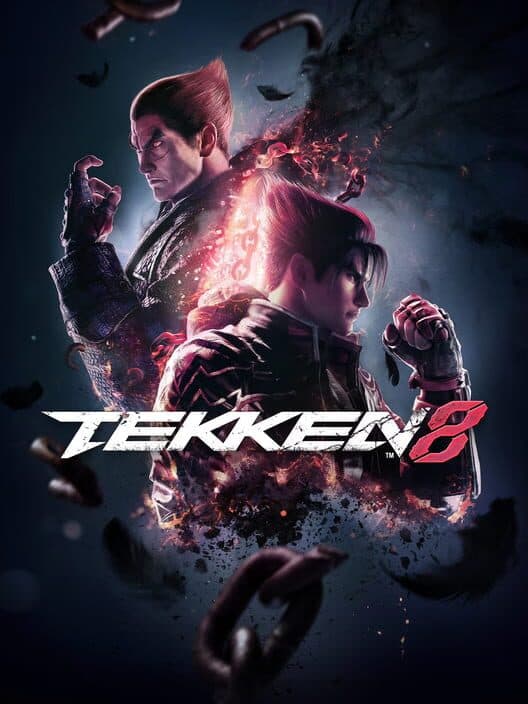
Fast, high-stakes one-on-one 3D fighting

Deep skill ceiling and rewarding improvement

Short, self-contained matches ideal for weeknights

Is Tekken 8 Worth It?

Tekken 8 is worth it if you enjoy skill-based one-on-one competition and can handle a learning curve. At full price, it’s best for players who want a “main game” they can return to regularly, squeezing in a few matches most evenings. It asks you to practice, accept losses, and stay focused during short but intense fights. In return, it delivers some of the best 3D fighting around, with excellent animation, strong netcode, and satisfying systems that clearly reward improvement. If you mostly play for story, you’ll still get a fun, cinematic campaign and character episodes that can fill a couple of weekends, but that alone may not justify buying at launch. Waiting for a sale makes more sense if you’re story-first or only dabble in versus modes. If you dislike losing to other players, or want low-stress, laid-back evenings, Tekken 8 probably isn’t your best fit. But if you’ve ever enjoyed fighting games, this is a polished and generous entry point for the series.

When is Tekken 8 at its best?

When you have about an hour after work, enough focus left, and want sharp, competitive matches that feel meaningful without committing to a long dungeon or raid-style session.

When a friend is visiting and you’d rather build a playful rivalry on the couch—quick rematches, big reactions, and lots of laughs—than coordinate a full co-op campaign with strict schedules.

When you’re in the mood to steadily improve at one game over time, using short weeknight sessions to hone a single character instead of chasing endless side quests in a huge open world.

What is Tekken 8 like?

Tekken 8 is quite flexible about how much of your life it occupies. If you mainly care about the story and a tour of the main modes, roughly 20–30 hours spread across a couple of weeks will cover the essentials. Story chapters, Arcade ladders, and Arcade Quest runs are all broken into tiny, digestible chunks, so you can play in 30–90 minute windows and still feel progress. Autosave lets you quit safely between fights, and offline modes pause cleanly. The main scheduling catch is online play: once you queue into a match, you’re committed for a few minutes with no pause, which can be tricky if you have kids, pets, or frequent interruptions. Returning after a long break also takes effort, since timing and muscle memory fade and need rebuilding. Socially, you don’t need a big group—one friend or occasional online rivals are enough to keep things interesting. Overall, Tekken 8 respects your calendar, but it does reward steady, ongoing engagement more than a single huge binge.

Tips

  • Use Story, Arcade, or Arcade Quest on nights when interruptions are likely, saving ranked sets for quieter windows when you can focus for a few matches.
  • Think in small arcs—a story chapter, an Arcade Quest route, or a best-of-five set—so you can stop after each arc without feeling you left something half-done.
  • After weeks away, dedicate your first return session to practice and CPU matches before stepping back into ranked, giving your hands time to remember the rhythm.

Tekken 8 demands real focus while you’re actually fighting. During a round, you’re tracking spacing, your opponent’s habits, health bars, and your Heat gauge all at once. Every second you’re deciding whether to poke, block, sidestep, or spend resources, and looking away to check your phone often means eating a huge combo. The thinking here isn’t spreadsheet-deep, but it’s constant and quick. Most deliberate planning happens in practice mode, where you can calmly test moves and combos. Once you’re in real matches, the game shifts into rapid reads and reflex decisions. Between fights, there’s a bit of downtime while you navigate menus or matchmaking, which keeps long sessions from feeling overwhelming. Still, this isn’t something you can truly play on autopilot like a turn-based game or a podcast in the background. You’ll get the most out of Tekken 8 when you’re awake, alert, and ready to be “on” for a few minutes at a time, then mentally reset during the breaks.

Tips

  • On low-energy nights, stay in practice mode or Story instead of ranked, so dips in focus don’t instantly become frustrating losing streaks.
  • Limit serious online sessions to 30–45 minute chunks, taking short breaks between sets to keep your reactions sharp and avoid mental fatigue.
  • Mute notifications and keep your phone out of reach during matches, then catch up during lobby or loading screens when the pressure is off.

Tekken 8 asks more from you than a typical action game, but it pays that effort back generously. At first, everything can feel like noise: unfamiliar moves, confusing strings, and losses you don’t fully understand. The upside is you don’t need to learn the whole roster or perfect hard combos to start feeling capable. By focusing on a single main character, learning a few reliable bread-and-butter combos, and practicing basic movement and defense, you’ll notice your results improve quickly. Reaching that stage usually takes several evenings of focused play and dozens of matches. From there, the ceiling is extremely high. You can explore matchup knowledge, refined movement, optimal punishes, and psychological mind games, with each new skill making fights richer and more fun. For a busy adult, the game especially rewards small, regular investments: even two or three short sessions a week can build real improvement. If you enjoy feeling yourself “level up” through practice rather than gear, Tekken 8 delivers that feeling in a very pure way.

Tips

  • Choose one main character and commit to them for your first 20–30 hours so your practice consolidates instead of scattering across the roster.
  • Begin each session with ten focused minutes in training, drilling one combo or defensive option you want to apply in your next few matches.
  • Save replays of tough losses and review just a few moments, aiming to learn one concrete adjustment per session rather than over-analyzing every detail.

Tekken 8’s intensity comes in short, punchy bursts rather than long, grinding marathons. A single round can ramp from calm footsies to heart-pounding scrambles in under a minute, especially when both characters are one hit from defeat. Online, visible ranks and promotion or demotion matches add extra weight; every mistake feels important, even though you’re only risking a small slice of progress. Offline modes are much gentler. You can retry instantly, pause freely, and use assist options to lower the execution demands, turning fights into stylish action scenes more than nerve-wracking tests. The game rarely blocks you for long, and you never lose hours of progress from one slip-up. Emotionally, though, repeated losses or laggy matches can still leave you drained if you push through while tired. For a busy adult, the tradeoff is clear: you get exciting highs from clutch wins and dramatic comebacks, at the cost of occasional frustration and adrenaline spikes. On nights when you want to unwind, it’s better to favor Story, Arcade, or relaxed casual matches.

Tips

  • Warm up with Story, Arcade, or training before ranked so your first intense matches don’t hit you cold after a long day.
  • Set a hard limit for promotion or demotion matches, then switch to casual or practice once you hit it to avoid tilting yourself.
  • If you catch yourself mashing in panic or getting angry, step away for five minutes; a short reset beats an hour of frustrated play.

Frequently Asked Questions