hello@slated.gg
Powered by IGDB•Privacy•Terms

© 2026 Slated.gg

Slated.gg
Popular GamesAboutDiscover Games
Mega Man: Dual Override

Capcom • 2027 • Xbox Series X|S, PlayStation 4, Nintendo Switch 2, PC (Microsoft Windows), PlayStation 5, Xbox One, Nintendo Switch
Satisfying to completePerfect for a weekend
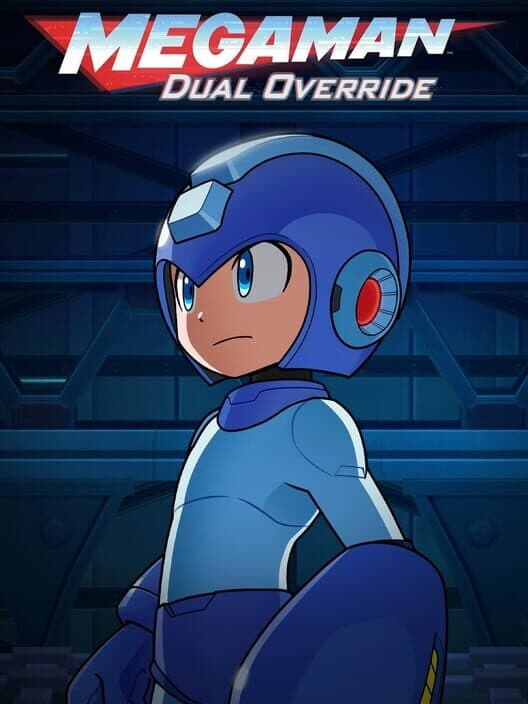
Mega Man: Dual Override cover art

Mega Man: Dual Override

Capcom • 2027 • Xbox Series X|S, PlayStation 4, Nintendo Switch 2, PC (Microsoft Windows), PlayStation 5, Xbox One, Nintendo Switch

Satisfying to completePerfect for a weekend

Is Mega Man: Dual Override Worth It?

Based on current preview evidence, Mega Man: Dual Override looks worth it if you want classic action platforming that respects your time more than older entries did. Its best hook is simple: short stages, fast retries, readable goals, and bosses that feel earned when you finally crack them. The big appeal is not story sprawl or exploration. It is that clean loop of fail, learn, adjust, win. Buy at full price if you already enjoy Mega Man, precision platformers, or mastery-focused games you can play in 30 to 90 minute chunks. Wait for a sale if you like the style but usually bounce off repeated boss attempts or tight jumping. Skip it if you need relaxed forward progress every session, lots of dialogue, or the freedom to improvise your way past execution-heavy fights. If the final release keeps the strong checkpointing and solid feel shown so far, this could be one of the easiest classic-style Mega Man games to fit into a busy week.

What is Mega Man: Dual Override like?

Opinions of Mega Man: Dual Override

What Players Love

  • Players Love

    Classic feel survives, but retries waste less time

    Preview coverage says it still captures the old boss-and-platform rhythm, while checkpoints, shorter routes, and cleaner controls make failed runs less annoying.

  • Players Love

    Proto Man and Chips add real playstyle variety

    Early impressions highlight the second hero and 50-plus Chips as the main source of freshness, letting players lean safer, riskier, or more specialized in combat.

Common Concerns

  • Common Concern

    It still looks tough even with friendlier systems

    Even positive previews warn that bosses and precision jumps can demand repeated attempts. The newer structure softens the sting, but it does not make the game easy.

  • Common Concern

    Some footage raises visual style or performance doubts

    A smaller slice of discussion questions trailer presentation or prefers the older look, though hands-on reports have generally said the game ran well.

Divisive Aspects

  • Divisive

    Modern updates already split fans who wanted purity

    Some fans welcome the new systems and easier retry loop, while others worry the 2.5D style and modernization move it away from sprite-era identity.

What does Mega Man: Dual Override demand from you?

Time

LOW

Time

It looks built for weeknights: short routes, clear stage endings, full pause, and a satisfying first clear that should not demand months of loyalty.

LOW

This looks easier to fit into real life than its reputation might suggest. A first clear with one character appears likely to land in the roughly 6 to 10 hour range, with more time available if you replay as the second hero, chase hidden items, or refine routes. Just as important, the structure seems built for weeknights. Short stage segments, boss endpoints, results screens, and full pause support mean you should usually have a clean place to stop after 20, 40, or 90 minutes. The biggest uncertainty is quitting flexibility inside a stage. Preview coverage clearly mentions checkpoints, but not true save-anywhere freedom, so it is safest to think of it as respectful rather than totally frictionless. Coming back after a break should be fine, though your hands may need a few attempts to wake back up. There are no group schedules, no social pressure, and no live-service chores pulling you in. The game asks for focus when you sit down, but not a long-term life commitment. For many people, that is a very good trade.

Tips
  • Aim for one route segment per sitting. The structure seems designed to make even a 30- to 45-minute session feel worthwhile.
  • Quit after a boss clear or checkpoint cluster so your next return starts from a clean mental reset.
  • If you step away for a week, replay an earlier stage first to rebuild timing before tackling the boss that blocked you.

Focus

HIGH

Focus

You need eyes-on-screen attention almost the whole time, with most thinking packed into dodges, jump timing, boss patterns, and quick loadout choices.

HIGH

Dual Override asks for real attention and pays you back with that satisfying locked-in feeling. Most of the play looks built around reading the screen every second: enemy shots, moving hazards, jump arcs, safe landing spots, and the short openings where you can attack without getting clipped. The thinking is not menu-heavy or abstract. It is quick, physical thinking. You read a pattern, make a snap call, and execute. The extra layer comes from choosing between Mega Man and Proto Man, picking Chips, and deciding when to spend Override, but those choices support the action rather than replacing it. This means the game is great when you want focused, active play in a short burst. It is much worse as a second-screen game or something to half-watch while answering messages. If you like the rhythm of spotting a problem, failing fast, and correcting it on the next attempt, this looks very rewarding. If you want something you can drift through while tired or distracted, it probably will not fit.

Tips
  • Treat each stage like a warm-up lap. Spend the first few minutes relearning jump arcs, hazard timing, and your chosen Chip before pushing harder.
  • If a boss keeps clipping you, watch one full pattern cycle before attacking. Calm reads will usually help more than panic damage.
  • Use Mega Man on tired nights and save Proto Man for sharper sessions if his closer-range style feels less forgiving.

Challenge

MODERATE

Challenge

The basics look quick to grasp, but real comfort comes from reading patterns, learning what each Chip solves, and improving through repeated tries.

MODERATE

The good news is that this does not look hard because it is confusing. The basic idea is simple: move, shoot, dodge, learn the gimmick, beat the boss. The harder part is turning that understanding into clean execution. Most players should grasp the core loop quickly, but real comfort will probably take several sessions of pattern learning, route memory, and figuring out which Chips actually help your style. That is a healthy kind of challenge for many people because progress should feel visible. You are not buried under huge menus or obscure systems. You are shaving mistakes off repeated attempts. Checkpoints seem to make that learning loop much kinder than older entries, since failure costs time instead of wiping major progress. The trade is straightforward: the game asks you to accept some repetition, and in return it gives you strong earned wins. If you like short-form mastery and old-school action structure, this looks inviting. If you need constant novelty or easy first-try clears, it may feel like work.

Tips
  • Learn one character first. Swapping constantly between Mega Man and Proto Man will slow down your muscle memory early on.
  • When a stage beats you, change one thing at a time: your Chip, your route, or your timing, so you know what actually helped.
  • Do not hoard Override every run. Using it often teaches where it saves trouble and where it is better held for bosses.

Intensity

HIGH

Intensity

Expect steady arcade pressure rather than horror dread: deaths can pile up on bosses, but fast restarts keep frustration from turning into full misery.

HIGH

Expect steady pressure, not horror dread. The game seems built around short spikes of nerves: a tricky platform chain, a mini-boss that catches you twice, a Robot Master attempt where you finally think you see the pattern. That creates a good kind of stress for the right player. You fail, reset quickly, and go again with a little more knowledge. The bright art and playful robot tone matter here. They keep the mood from feeling bleak even when the game is beating you up. The harder edge comes from repetition. If you hate replaying the same encounter until it clicks, the pressure can flip from exciting to draining. If you enjoy visible improvement, those same retries become the whole point. So the game asks for patience and a little emotional steadiness, then delivers crisp little victory highs when a boss finally falls cleanly. It looks best when you have enough energy to stay calm and learn. It looks worse at the end of a long day when even one extra failed jump will feel personal.

Tips
  • Play when you still have a little patience left. A tired, rushed mood will make pattern learning feel harsher than it really is.
  • Start first clears with defensive Chips. Surviving longer usually teaches boss windows faster than chasing extra damage too early.
  • End after a good checkpoint or boss streak, not when you are tilting. The structure supports short, focused runs well.

Frequently Asked Questions

Mega Man: Dual Override looks medium-hard overall, not brutally opaque. The challenge seems to come from clean execution, boss pattern learning, and jumps that punish hesitation more than from confusing systems. If you have played Mega Man 11, Cuphead, or the easier side of Celeste, it appears closer to that lane than to anything cruel or unreadable. Hard to learn and hard to master are different here. Learning the controls and structure should be manageable in the first hour or two. Feeling consistent against bosses and trickier stages is where the real work begins, and that may take several evenings. Checkpoints and faster retries look like the main accessibility win, because they let you practice without losing huge chunks of progress. Optional difficulty settings were still uncertain in pre-release material, so that part remains unclear. If you dislike repetition or precision platforming, it may still feel frustrating. If you enjoy reading patterns and seeing obvious improvement, it looks firm but fair.

Expect roughly 6 to 10 hours for a first clear with one character, and around 10 to 16 or more if you replay with the second hero, chase hidden pickups, or spend time improving routes. Those numbers are still estimates, because current evidence is preview-based rather than full launch data. The good news is that the game seems broken into short, satisfying chunks. Previewers describe route segments, checkpoints, mini-bosses, and boss endings that create natural places to stop. That means a 30- to 90-minute session should still feel productive. Save flexibility looks decent rather than perfect: you can pause freely, but it may not offer true save-anywhere quitting inside every segment. If you only want the main campaign once, this does not look like a months-long commitment. If you enjoy squeezing cleaner runs out of hard stages, the same compact structure could keep you coming back well after the ending. One clear seems very manageable for a normal weeknight schedule.

Mega Man: Dual Override looks moderately stressful in a good arcade way. It seems more like stay sharp and try again stress than horror fear or exhausting bleakness. The pressure comes from boss patterns, moving hazards, and the knowledge that one sloppy jump can send you back to a checkpoint. That said, the tone matters a lot. Bright robot enemies, playful visuals, and fast restarts should keep the mood lighter than something like Resident Evil or a grim soulslike. When the game is working for you, the tension feels energizing because every retry teaches you something. When you are tired, the same loop can feel prickly fast, especially if a boss keeps surviving with a sliver of health. This looks like a great pick when you want focused, active play and have some patience left. It looks worse as a late-night wind-down game after a rough day. If you enjoy short bursts of pressure followed by very earned relief, it should hit nicely. If you want calm, cozy, or low-stakes progress, look elsewhere.

Yes. It is built for solo play, and that is one of its biggest advantages. There is no group coordination, no friend schedule to match, and no online obligation hanging over your week. You can pick it up, clear a stage segment or two, and stop. It also looks fairly friendly to a busy schedule, with one important caveat. The game seems great at letting you end on clean boundaries thanks to route segments, checkpoints, and boss clears. Full pause support should help when real life interrupts. Where it is less casual-friendly is attention. This is not the kind of game you half-play while listening to a meeting or managing five other things. It wants your eyes and hands when a stage is active. Coming back after a few days should be fine, but you may need a warm-up run to get your timing back. So yes, you can absolutely play it alone and fit it into normal evenings. Just expect focused solo sessions, not a relaxed background game.

No, it does not look pay-to-win at all. Everything official points to a standard one-time purchase with the full core experience in the base game. Store pages do not mention battle passes, loot boxes, paid power boosts, or other systems that sell gameplay advantages. That matters here because this kind of action game lives or dies on fairness. The fun comes from learning stages, reading bosses, and improving your execution. Selling power would cut straight against that design, and there is no evidence the game is built that way. Of course, this is still a provisional call because current information is based on store listings and preview coverage before full release. Publishers can always announce extra content later. But even if cosmetic add-ons or soundtrack packs appear, that would be very different from pay-to-win. Based on everything available now, you should expect a normal premium release where progress comes from practice and loadout choices, not from opening your wallet after the purchase.

You Might Also Like

Games with a similar rhythm and feel, even if they look different

Explore more→
Cuphead: The Delicious Last Course game cover art
Satisfying to completePerfect for a weekend

Cuphead: The Delicious Last Course

Time
MODERATE
Focus
HIGH
Challenge
MODERATE
Intensity
VERY HIGH
Cuphead game cover art
Satisfying to completePerfect for a weekend

Cuphead

Time
LOW
Focus
HIGH
Challenge
MODERATE
Intensity
VERY HIGH
Hi-Fi Rush game cover art
Satisfying to completePerfect for a weekend

Hi-Fi Rush

Time
LOW
Focus
MODERATE
Challenge
MODERATE
Intensity
MODERATE
Neon White game cover art
Satisfying to completePerfect for a weekend

Neon White

Time
LOW
Focus
HIGH
Challenge
MODERATE
Intensity
MODERATE
The Eternal Life of Goldman game cover art
Satisfying to completePerfect for a weekend

The Eternal Life of Goldman

Time
LOW
Focus
MODERATE
Challenge
MODERATE
Intensity
MODERATE
Dead Cells game cover art
Satisfying to completePerfect for a weekend

Dead Cells

Time
LOW
Focus
HIGH
Challenge
HIGH
Intensity
HIGH
← Back to Home