Studio MDHR • 2017 • PlayStation 4, PC (Microsoft Windows), Mac, Xbox One, Nintendo Switch
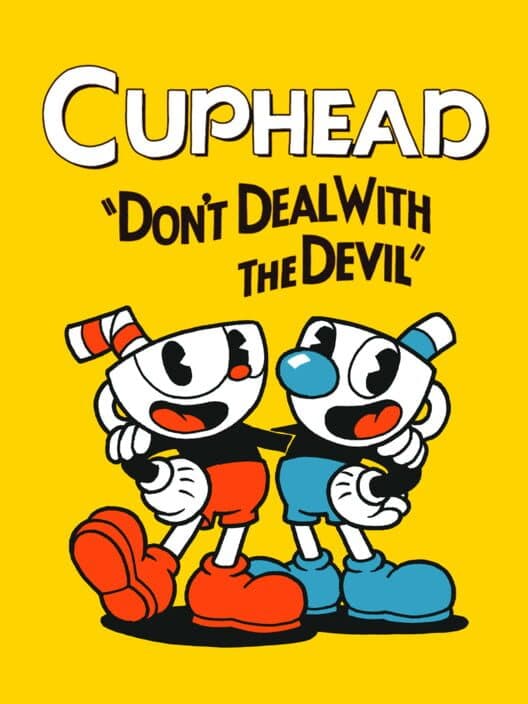
Brutally tough 2D boss rush shooter
Short focused attempts with instant restarts
Gorgeous hand-drawn 1930s cartoon jazz world
Cuphead is absolutely worth it if you enjoy tough, skill-based action games and adore distinctive art. It delivers some of the sharpest, most satisfying boss fights around, wrapped in gorgeous 1930s-style animation and an incredible jazz soundtrack. The big catch is difficulty: progress comes from learning patterns and improving your execution, not from leveling up or grinding gear. That means you’ll die a lot, and some bosses may occupy multiple evenings before you finally win. If you’re a busy adult who appreciates short, intense sessions and the feeling of real improvement, Cuphead is a great use of limited gaming time. You can treat it as a 2–3 week project, finish the base game, and feel completely done. If you mainly want relaxing play, rich stories, or hate repeating the same challenge, you’re better off waiting for a deep sale or skipping it altogether. For players who meet it on its own terms, though, Cuphead earns its reputation and price tag easily.

Studio MDHR • 2017 • PlayStation 4, PC (Microsoft Windows), Mac, Xbox One, Nintendo Switch
Brutally tough 2D boss rush shooter
Short focused attempts with instant restarts
Gorgeous hand-drawn 1930s cartoon jazz world
Cuphead is absolutely worth it if you enjoy tough, skill-based action games and adore distinctive art. It delivers some of the sharpest, most satisfying boss fights around, wrapped in gorgeous 1930s-style animation and an incredible jazz soundtrack. The big catch is difficulty: progress comes from learning patterns and improving your execution, not from leveling up or grinding gear. That means you’ll die a lot, and some bosses may occupy multiple evenings before you finally win. If you’re a busy adult who appreciates short, intense sessions and the feeling of real improvement, Cuphead is a great use of limited gaming time. You can treat it as a 2–3 week project, finish the base game, and feel completely done. If you mainly want relaxing play, rich stories, or hate repeating the same challenge, you’re better off waiting for a deep sale or skipping it altogether. For players who meet it on its own terms, though, Cuphead earns its reputation and price tag easily.
When you have an hour or so in the evening, feel mentally alert, and want a focused, high-effort challenge instead of a relaxed, story-heavy game.
On a weekend afternoon with a friend or partner on the couch, trading attempts, reviving each other, and celebrating together when a brutal boss finally goes down.
During a period when you crave a short, clearly bounded project you can finish in a few weeks, with zero pressure to keep playing once the credits roll.
A compact, demanding project you can tackle in short, flexible sessions, with easy pausing and very little to remember between playdays.
Cuphead fits well into an adult schedule in terms of structure, if not always in difficulty. The main campaign is relatively short; many players finish in 12–20 hours, others take longer depending on skill. That’s a few weeks of evening sessions, not months of ongoing obligation. Each boss attempt is only a couple of minutes, and the game autosaves whenever you’re on the overworld, so you can pause or quit almost anytime without stress. There’s no web of quests or complex story threads to track. Returning after a week, you can glance at the map, pick a boss, and be back in the action within seconds. Local co-op is entirely optional, so you don’t need to schedule around other people unless you want that shared experience. The main commitment is emotional: accepting that some nights you’ll spend an hour on a single fight and only make learning progress. If you’re okay with that, Cuphead offers a very tidy, time-bounded challenge you can pick up and put down as life allows.
Short, extremely intense bursts of attention where your eyes and hands stay locked on dense, colorful bullet patterns almost every second.
Playing Cuphead means signing up for concentrated focus in short bursts. Once you enter a boss fight, your eyes and hands are fully occupied: you’re tracking enemy tells, watching for pink objects to parry, monitoring your own position, and deciding when to dash or fire a super. There’s almost no autopilot here. The mental work isn’t about spreadsheets or menus; it’s about staying present in the chaos and reacting cleanly. Outside of combat, things calm down. The overworld is simple to read, the shop is straightforward, and there are no quest logs or long cutscenes competing for your attention. For a busy adult, that means you can funnel almost all your mental energy into the action itself instead of remembering systems. The tradeoff is that you really shouldn’t play Cuphead while half-distracted. It’s best when you can give it a focused 45–90 minutes and then step away before fatigue turns sharp play into sloppy frustration.
Easy to grasp but demanding to conquer, with big payoffs when your practice suddenly turns impossible bosses into warm-up fights.
Cuphead is straightforward to understand: move, jump, dash, shoot, and parry. You’ll learn the basics in your first session. The real journey is in sharpening those basics until tough bosses feel comfortable. Each encounter is a test of pattern recognition, muscle memory, and staying calm under pressure. Early on you’ll probably feel clumsy and underpowered; a few sessions later, you’ll be gliding through attacks that once buried you. Improvement is very visible. You’ll literally watch your death progress meter creep further along the stage, then suddenly blow past the flag when everything clicks. New weapons and charms help you refine your approach, but they never replace practice. For a busy adult, this is both a blessing and a warning: you can’t grind your way around difficulty, but every hour of effort noticeably sharpens your skills. If you enjoy that arc from incompetence to confident execution, Cuphead really delivers. If repeating the same challenge to improve sounds miserable, it may not land for you.
Expect a lively mix of tension, frustration, and triumph as you die, retry, and finally topple loud, chaotic cartoon bosses.
Cuphead is intense, but in an unusual way. The cheerful cartoon art and jazzy soundtrack look lighthearted, yet the actual play can be nerve-wracking. With only a few hit points and long multi-phase fights, each mistake stings, and near-victories that slip away in the final seconds really spike your heart rate. You’ll feel a cycle of tension, annoyance, determination, and finally pure relief when that big “KO!” appears. The game isn’t scary and doesn’t lean on gore or horror, so the intensity is all about performance pressure rather than fear. Short attempts help: even after a crushing death, you’re back in quickly, which keeps frustration from hardening into resentment for most players. Still, this is not a gentle, wind-down-after-a-bad-day kind of experience. It’s better when you have a bit of emotional energy to spend on failing forward and laughing at your own mistakes instead of taking every death personally.
Games with a similar rhythm and feel, even if they look different