hello@slated.gg
Powered by IGDB•Privacy•Terms

© 2026 Slated.gg

Slated.gg
Popular GamesAboutDiscover Games
Maximum Thunderness

Berzerk Studio • 2026 • PC (Microsoft Windows)
Satisfying to completePerfect for a weekendFast-paced
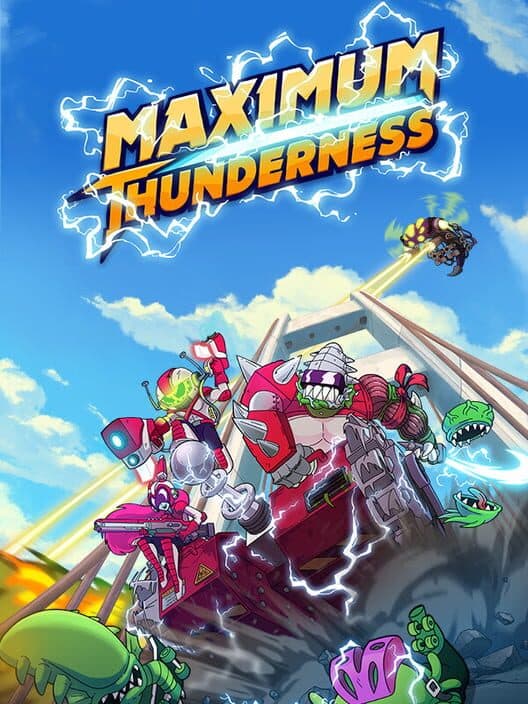
Maximum Thunderness cover art

Maximum Thunderness

Berzerk Studio • 2026 • PC (Microsoft Windows)

Satisfying to completePerfect for a weekendFast-paced

Is Maximum Thunderness Worth It?

Right now, Maximum Thunderness looks more like a strong wishlist game than a blind day-one buy, because this profile is still based on demo and pre-release material rather than a fully shipped version. If the final release keeps the demo's best parts and smooths out the roughest boss and readability problems, it should be easy to recommend to people who love short, loud action runs with friends. The big draw is simple: a goofy cartoon world, great music, fast 2D shooting, and the fun of building a temporarily busted loadout over a single run. What it asks from you is steady attention, decent reflexes, and a willingness to lose runs while learning patterns. It is also not especially friendly to mid-run interruptions. Buy at full price if launch reviews confirm the balance feels fair and you want energetic co-op chaos. Wait for a sale if screen clutter, boss spikes, or unclear mechanics tend to annoy you. Skip it if you mainly want story, quiet pacing, or something you can safely play while half-distracted.

What is Maximum Thunderness like?

Opinions of Maximum Thunderness

What Players Love

  • Players Love

    Soundtrack and cartoon style make a strong first impression

    Players quickly latch onto the loud music, goofy energy, and Saturday-morning-cartoon look. Even early demo feedback says the game's personality is easy to like.

  • Players Love

    Combat feels great when a run comes together

    Movement, shooting, and reload timing earn a lot of praise once upgrades start syncing. Many players describe the loop as instantly fun and easy to chase for one more run.

Common Concerns

  • Common Concern

    Late boss spikes can feel overtuned and messy

    A common complaint is that later fights lean too hard on shield regeneration and projectile clutter, creating a jump in difficulty that feels rougher than earlier stages.

  • Common Concern

    Hitbox and screen clarity issues hurt fairness

    Several players report shots that look like they should connect, crowded effects that hide threats, and small enemies that are harder to read than they should be.

  • Common Concern

    Demo quality-of-life options still feel a bit thin

    Players ask for clearer stats, controller rebinding, saner startup audio, and better readability options. None are deal-breakers alone, but they shape first impressions.

What does Maximum Thunderness demand from you?

Time

LOW

Time

Runs have clean built-in stopping points and the core loop is easy to revisit, but a live session is not especially friendly to sudden interruptions.

LOW

For a busy schedule, this looks better than many long campaign games. A session naturally breaks into runs, nodes, shops, boss attempts, and post-run spending, so the game itself gives you reasons to stop instead of asking you to invent your own. Most runs seem built for roughly 45 to 90 minutes, which makes it a solid weeknight option if you know you have a real block of time. The catch is that a live room still wants your full attention. There is little sign of flexible saving inside a run, and pause behavior is not well documented, so this is not ideal if you expect frequent family or work interruptions. The good news is that returning after a few days should be painless. The core verbs are simple, goals are clear, and run-based structure makes re-entry quick. You also do not need months to feel satisfied. One clear and a few extra runs with different characters or routes should be enough for many players to feel they got the point. Co-op adds fun, but it should not feel mandatory every time.

Tips
  • Treat one run as the default session. Starting late at night often turns into an unfinished push through the hardest, messiest part.
  • If interruptions are likely, stay near stage breaks or shop nodes before stepping away. Mid-room action looks short, but it is not forgiving.
  • Coming back after a week is easiest if you stick with one character for several runs. Constantly swapping heroes slows re-entry.

Focus

HIGH

Focus

Fast 2D gunfights keep your eyes glued to the screen, with most thinking happening through movement, timing, and split-second reads instead of long planning.

HIGH

Maximum Thunderness asks for full eyes-on-screen attention whenever a room goes live. Most of the thinking happens in motion: reading projectile lanes, staying in a useful spot, landing jumps and dashes, and threading in that active reload timing while enemies crowd the screen. Between fights, it gives you short breathers to pick a route, buy upgrades, and nudge a build in a direction, but those breaks are brief and clear rather than deep planning sessions. That trade feels fair. You give it sharp, active attention and it pays you back with quick bursts of momentum when a run starts flowing and your build finally clicks. This is not something you half-play while watching a show or replying to messages. Co-op can ease the burden a little because someone else can cover mistakes or share damage, but it also adds more noise, more effects, and one more body to track. If you like action that keeps your hands and eyes fully busy, this should feel energizing. If you want something that tolerates distraction, it probably will not.

Tips
  • Treat the active reload as part of your basic attack loop. Practicing it early lowers panic and keeps later rooms from feeling sloppy.
  • Stand where your shots actually connect, not where it only feels safe. Small enemies and busy effects punish passive screen-edge play.
  • In co-op, call out when you're low or repositioning. Simple voice cues reduce accidental overlap and make crowded rooms easier to read.

Challenge

MODERATE

Challenge

Easy to start, harder to cleanly read under pressure, with several runs needed before enemy patterns, upgrade value, and survival rhythm feel natural.

MODERATE

This looks approachable at the surface and trickier a few hours later. You will likely understand the basics fast: move, shoot, dash, jump, reload, pick a route, grab upgrades. The harder part is getting comfortable enough that the game stops feeling messy. Current feedback points to some under-explained rules, fuzzy stat meaning, and moments where hitboxes or screen clutter make learning rougher than it should be. So the game asks for repetition and patience more than study. You do not need a huge manual or dozens of hours before it becomes playable, but you probably will need several runs before you trust your spacing, know what a good upgrade actually does, and start recognizing boss behavior on sight. The reward is a satisfying skill climb. You feel yourself getting sharper, not just numerically stronger. Losses still sting because a run's build disappears, yet the permanent unlock layer should keep failure from feeling completely wasted. If you enjoy games where familiarity turns chaos into control, this should click. If you dislike learning through repeated failures, it may wear on you.

Tips
  • Use early runs to learn enemy patterns and reload rhythm, not to force a perfect build. Comfort first, optimization later.
  • When an upgrade description feels fuzzy, test one change at a time. You'll understand stronger combinations faster than by stacking random boosts.
  • Try a few solo runs even if you plan to play co-op. It teaches spacing and survival without leaning on a partner to recover mistakes.

Intensity

HIGH

Intensity

This feels more like a loud arcade rush than grim punishment, but late-run clutter and boss spikes can still push it into real pulse-raising territory.

HIGH

The emotional flavor here looks energetic first and stressful second. The cartoon look, jokes, and loud soundtrack keep the mood playful, so even when things go wrong it does not seem designed to make you feel miserable or afraid. Still, a run can get genuinely tense. Screens fill up, enemies stack pressure, and the later stretch appears much harsher than the opening rooms. That means the game asks you to handle rising chaos and occasional unfair-feeling moments, then rewards you with the kind of high you get from surviving by the skin of your teeth. The best version of that stress is exciting: your heart rate goes up, you clutch out a room, and the whole thing feels heroic and dumb in the best way. The weaker version is boss clutter, shield-heavy slog, or visual mess that makes failure feel noisy rather than clean. This makes it a better fit for nights when you want action and momentum. It is a worse fit when you are already tired, irritated, or looking for something soothing.

Tips
  • End a session after a clear or a frustrating boss loss. Late-run chaos punishes tired play more than the opening rooms do.
  • Bank on movement first, damage second. A stable run usually comes from staying readable and alive, not from chasing every risky boost.
  • If boss clutter frustrates you, cut outside distractions and use a character whose shots are easiest for you to track on screen.

Frequently Asked Questions

Maximum Thunderness looks moderately hard, with the real trouble showing up later in a run rather than in the first few minutes. The basic controls seem easy to grasp quickly. Move, shoot, dash, jump, reload, repeat. The challenge comes from doing all of that cleanly once the screen fills with bullets, enemies, and visual noise. Based on current demo feedback, it sits closer to Dead Cells-style run tension than to a relaxed story shooter, but it does not look like a brutal punishment machine either. It seems harder to play well than to understand. A busy player should be able to learn the core loop in an hour or two, but may need several runs before spacing, boss behavior, and upgrade value really click. Some complaints also point to hitbox clarity and overtuned boss moments, which can make the game feel rougher than intended. If you enjoy arcade action and don't mind losing runs while you improve, the challenge should feel motivating. If you hate chaotic screens or want a gentle first clear, it may feel sharper than the art style suggests.

Expect runs to land around 45 to 90 minutes, with shorter failed attempts and longer successful pushes. This is not a long story campaign so much as a run-based action loop. For most players, the point where you've really 'got it' will probably be one full clear plus a few extra runs with a different character or route. That puts the likely satisfaction range around 6 to 12 hours, with maybe 10 to 20 if you want to sample more builds and unlocks. Completionist time is much fuzzier because the full release scope was still unclear at analysis time, and roguelikes can stretch as long as you enjoy reruns. The good news is that sessions seem well structured for weeknights. Runs have natural ends, and the game clearly tells you when you've reached a good stopping point. The bad news is that a run itself does not appear very flexible. If you stop in the middle, there is little evidence of a generous suspend system. Plan around full runs when you can.

The main feeling here looks energized, not miserable. Maximum Thunderness seems built to give you that loud arcade buzz where the music is pumping, the screen is busy, and a strong run makes you feel unstoppable for a few minutes. That is the good kind of stress. The weaker kind shows up when bosses drag, shields regenerate, or visual clutter makes the fight harder to read than it should be. So this is not a calm wind-down game, but it also does not seem oppressive in the way horror or harsh survival games can be. The silly tone matters a lot. It keeps the pressure playful even when you are close to losing. Play it when you want momentum, noise, and a real shot of adrenaline. Avoid it when you are already fried, easily frustrated, or likely to be interrupted. If you usually enjoy roguelikes, action platformers, or co-op shooters, the pressure will probably read as exciting. If crowded screens and late-run spikes make you tense fast, this may tip from thrilling to tiring.

Yes, it appears fully soloable, but co-op is probably the best way to enjoy it if you have the option. Official materials support solo play, and nothing in the current evidence suggests single-player is a throwaway mode. The core loop still works alone because the main pleasures are movement, shooting, build shaping, and pushing through a run. In fact, solo may be the cleaner way to learn at first because the screen is less noisy and every mistake teaches you something directly. That said, the game's personality seems built for shared chaos. Revives, overlapping builds, near-disasters, and celebrating a ridiculous run together all sound like a big part of the appeal. If you mostly play by yourself, this still looks viable. Just expect the pressure to feel a bit sharper since nobody can cover for a bad moment. It is also only casually friendly with one important caveat: the run structure suits short gaming weeks, but the live action is not interruption-proof. Great for protected evening sessions, less great for constant stop-start play.

No, there is no sign that Maximum Thunderness is pay-to-win. Everything currently points to a normal one-time PC purchase with a separate free demo and no public sign of battle passes, paid power, energy systems, or stat boosts sold for money. The long-term progression that has been shown so far looks like standard in-game unlocks earned through play, not shortcuts bought through a store. That matters in a roguelike, because permanent upgrades can change the feel of future runs. Right now, those appear to be part of the regular loop rather than monetized advantages. The only caveat is that this analysis was done before a fully launched release page was available, so final monetization details could still change. Based on everything public at the time, though, there is no reason to expect paid competitive advantages or any pressure to spend beyond the purchase price. If the final release keeps that structure, this should be an easy, clean buy from a monetization standpoint.

You Might Also Like

Games with a similar rhythm and feel, even if they look different
Explore more→
Risk of Rain 2 game cover art
Satisfying to completePerfect for a weekend

Risk of Rain 2

Time
LOW
Focus
HIGH
Challenge
MODERATE
Intensity
HIGH
33 Immortals game cover art
Satisfying to completePerfect for a weekend

33 Immortals

Time
MODERATE
Focus
HIGH
Challenge
MODERATE
Intensity
HIGH
Cuphead: The Delicious Last Course game cover art
Satisfying to completePerfect for a weekend

Cuphead: The Delicious Last Course

Time
MODERATE
Focus
HIGH
Challenge
MODERATE
Intensity
VERY HIGH
Megabonk game cover art
Satisfying to completePerfect for a weekend

Megabonk

Time
LOW
Focus
HIGH
Challenge
MODERATE
Intensity
MODERATE
Cuphead game cover art
Satisfying to completePerfect for a weekend

Cuphead

Time
LOW
Focus
HIGH
Challenge
MODERATE
Intensity
VERY HIGH
Dead as Disco game cover art
Satisfying to completePerfect for a weekend

Dead as Disco

Time
LOW
Focus
HIGH
Challenge
MODERATE
Intensity
MODERATE
← Back to Home