Tripwire Interactive • 2027 • PC (Microsoft Windows), PlayStation 5
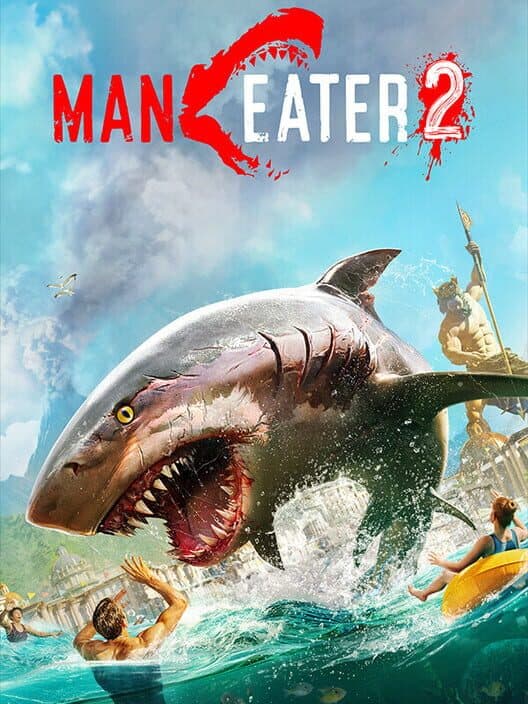
Maneater 2
Tripwire Interactive • 2027 • PC (Microsoft Windows), PlayStation 5
Is Maneater 2 Worth It?
As of this analysis, Maneater 2 looks worth wishlisting, not blindly preordering. If you loved the first game's goofy shark power fantasy or want a shorter, cleaner open-world game you can chip away at in weeknight sessions, this looks very promising. The hook is strong: a luxury sea park, a clear grow-stronger loop, and plenty of room for comic destruction. It also seems easier to fit into real life than a giant 80-hour adventure because the campaign appears finite and solo, with obvious goals and no social obligations. The catch is simple: it is still unreleased, so the real test is whether the sequel adds enough variety and polish to avoid the repetition some players felt in the first game. Buy at full price if launch reviews confirm better encounter variety, solid performance, and a satisfying 12-18 hour arc. Wait for a sale if you only liked the first game in short bursts. Skip it if the basic fantasy of eating everything in sight, or watching lots of gore, does nothing for you.
What is Maneater 2 like?
Opinions of Maneater 2
What Players Love
- Players Love
Fans are thrilled the sequel is finally happening
Most early discussion is simple excitement that the series is back at all. Reveal threads are full of celebration, replay plans for the first game, and eager wishlisting.
- Players Love
Theme park setting and bigger world sound promising
Players like the idea of Neptune’s Kingdom because it suggests more visual variety, stranger set pieces, new wildlife, and more room for absurd shark chaos.
Common Concerns
- Common Concern
There is still not enough concrete information yet
The biggest hesitation is how little firm detail exists so far. With no release date, hands-on impressions, or review pool, excitement is still running ahead of proof.
- Common Concern
Players want more variety and smoother overall polish
Even optimistic fans want the sequel to do more than repeat the first game's loop. More wildlife variety, cleaner pacing, and fewer rough edges are common hopes.
What does Maneater 2 demand from you?
Time
LOWTime
This looks built for weeknight sessions: a compact solo campaign, clear goals, full pause support, and enough structure that progress should feel tidy.
Focus
MODERATEFocus
You will stay busy steering through 3D water and quick fights, but the thinking looks light and readable instead of dense or exhausting.
Challenge
LOWChallenge
It seems easy to start and satisfying to improve, asking you to learn movement, dodges, and a few build choices without demanding elite precision.
Intensity
MODERATEIntensity
Most of the energy should come from pulpy chases and messy brawls, with brief danger spikes instead of the constant pressure of horror or soulslikes.
Frequently Asked Questions
You Might Also Like
Games with a similar rhythm and feel, even if they look different