Unknown Developer • 2026 • PC (Microsoft Windows)
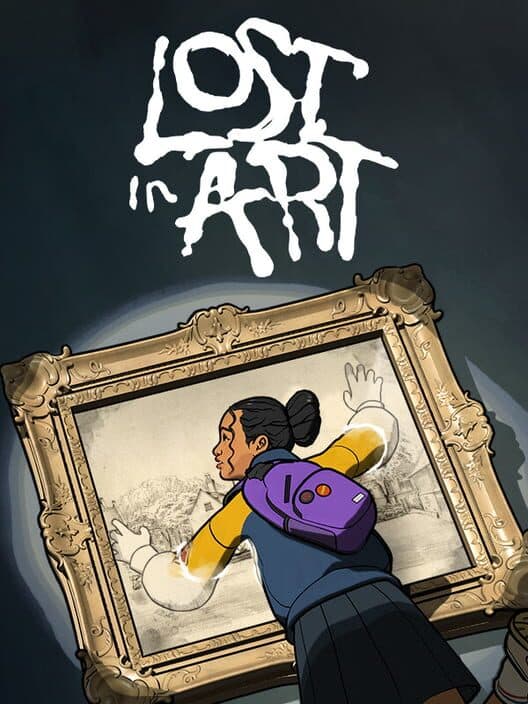
Lost in Art
Unknown Developer • 2026 • PC (Microsoft Windows)
Is Lost in Art Worth It?
Lost in Art looks worth it if you want a short, moody mystery where the place itself does most of the heavy lifting. Its strongest draw is the twisted museum setting. The art is not just wallpaper; it seems tied directly to clues, room logic, and the story, which gives the whole experience a distinct identity. Buy at full price if you love environmental puzzles, eerie atmosphere, and classic survival-horror framing without needing combat. Wait for a sale if you like the concept but are picky about save systems, since public information still leaves some uncertainty around how smooth stopping and resuming feels. You should also wait if you need proof that the full game sustains the demo's strong opening. Skip it if you dislike being stuck on room-based puzzles, hate being stalked even briefly, or prefer open-ended freedom over a tight authored arc. For the right player, this looks like a memorable few-evening trip through a genuinely interesting place.
What is Lost in Art like?
Opinions of Lost in Art
What Players Love
- Players Love
The haunted gallery setting feels fresh and memorable
Preview coverage keeps praising the surreal version of a real museum. The look, lighting, and art-forward atmosphere make the setting feel instantly different.
- Players Love
Puzzles feel built into the art and space
Early impressions like that clues, rooms, and Leah's power seem tied to the gallery itself, so solving a puzzle feels specific to the place instead of generic.
Common Concerns
- Common Concern
Saving and clean stopping points remain an open question
The clearest worry is session handling. Demo impressions mentioned no autosave, and public launch details still do not confirm how painless mid-session exits will be.
Divisive Aspects
- Divisive
The opening impresses, but full momentum is unproven
The first stretch appears stylish and tense, but there still is not enough broad full-release feedback to know if later puzzles and story beats keep that momentum.
What does Lost in Art demand from you?
Time
LOWTime
The overall run looks short enough for a few evenings, but it works best when you can give each session enough time to reorient and progress.
Focus
MODERATEFocus
You need steady eyes and active note-taking as you read rooms, connect art clues, and survive brief bursts of real-time danger.
Challenge
MODERATEChallenge
Getting comfortable is manageable, but progress depends on noticing smart environmental hints and thinking sideways when a room's answer is hiding in plain sight.
Intensity
MODERATEIntensity
This feels more like sustained unease than nonstop panic, with spooky pressure rising during chases and easing back into thoughtful puzzle-solving between scares.
Frequently Asked Questions
You Might Also Like
Games with a similar rhythm and feel, even if they look different