hello@slated.gg
Powered by IGDB•Privacy•Terms

© 2026 Slated.gg

Slated.gg
Popular GamesAboutDiscover Games
Hunter's Moon

Unknown Developer • 2026 • PlayStation 5
Satisfying to completeEasy to jump intoPerfect for a weekend
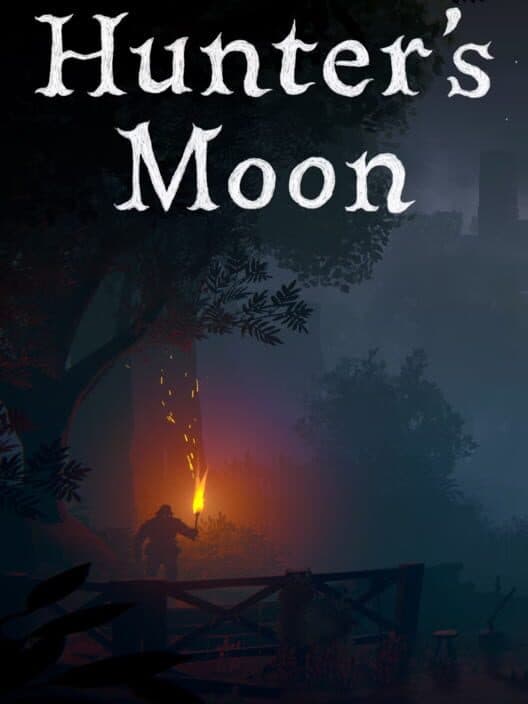
Hunter's Moon cover art

Hunter's Moon

Unknown Developer • 2026 • PlayStation 5

Satisfying to completeEasy to jump intoPerfect for a weekend

Is Hunter's Moon Worth It?

Probably yes if you want a short, tense horror story and don't need combat or endless replay value, but this is also a smart wait-for-reviews game because it was still unreleased at the time of analysis. Hunter's Moon looks strongest as a concentrated one- to three-night experience. The big draw is the setting: a fearful village, overheard lives, and the perspective of a woman being hunted under accusations of witchcraft. That's a rare setup, and the eavesdropping angle could make the world feel richer than a standard hide-and-run horror game. What it asks from you is patience, steady attention, and a willingness to sit with dread. What it seems to give back is atmosphere, story, and a memorable sense of place. Buy at full price if you already love stealthy folk horror and are happy with a roughly 4 to 8 hour story. Wait for a sale or reviews if you dislike checkpoint saves or slow stalking. Skip it if you want combat power fantasy, cozy play, or long-term systems.

What is Hunter's Moon like?

Opinions of Hunter's Moon

What Players Love

  • Players Love

    The witch-hunt setting feels fresh and immediately gripping

    Early reactions keep pointing to the 17th-century setting. Folk costumes, persecution, and village fear give the game a distinct hook that stands out fast.

  • Players Love

    The atmosphere and viewpoint spark strong curiosity right away

    People are responding to the mood before anything else. The eerie village, folk-horror tone, and accused-witch viewpoint make many want to see more.

Divisive Aspects

  • Divisive

    Historical accuracy is already part of the conversation

    The main debate so far is not quality but framing. Some early discussion focuses on how accurately the game presents English witch-hunt history and tone.

What does Hunter's Moon demand from you?

Time

LOW

Time

It looks like a short, solo story you can finish over a few nights, though checkpoints and memory of routes may matter more than in a pure walking sim.

LOW

This appears to be a compact, solo experience that fits better into a normal week than most long-form horror games. If current estimates hold, you are looking at a short story you can finish across a few evenings rather than a month-long project. That is the big appeal. It asks for a handful of focused sessions, then gets out of the way. The structure also sounds reasonably stop-friendly. Full pause is confirmed, and a guided night-long journey should create natural lulls after discoveries, escapes, or safer stretches. The main caveat is saving. Because it seems checkpoint-based, quitting whenever you feel like it may cost you a little progress. Returning after a week should be manageable, but you may need a few minutes to remember who you were following and which route felt safe. There are also no social obligations at all, which helps a lot. For someone who wants a memorable story without signing up for endless upkeep, that is a strong trade.

Tips
  • Plan for 60 to 90 minute sessions; that's long enough to make story progress without losing the thread.
  • Checkpoint saving likely means quitting at a safe lull feels better than stopping in the middle of a risky stretch.
  • Because it's solo and offline, it's a good fit for uneven schedules once you know how strict the saves are.

Focus

MODERATE

Focus

Most of the time you're creeping, listening, and reading danger, not juggling deep systems. It asks for steady attention, especially whenever torchlight or footsteps get close.

MODERATE

Hunter's Moon looks like a game that asks for steady, close attention without burying you in systems. Most of your brain space should go toward simple but important questions: where can I move safely, what did that conversation just tell me, and is this shortcut worth the risk? Because it is first-person and built around stalking danger, you probably will not want a podcast on in the background. Visual cues, footsteps, torchlight, and the location of doors or hedges all seem likely to matter. The good news is that the thinking appears readable rather than dense. You are not juggling skill trees, loot math, or party management. You are reading a place, a threat, and a social web. That trade feels fair for a short horror story. It asks for your eyes and ears in the moment, then pays you back with immersion and the satisfaction of piecing together a village through fragments instead of giant exposition dumps.

Tips
  • Use headphones if you can; footsteps and voices seem just as important as what you see.
  • Spend your first minute after loading reorienting yourself instead of rushing into exposed ground.
  • If you stop for a few days, leave yourself a quick note about your next destination before quitting.

Challenge

LOW

Challenge

You can learn the basics quickly, but reading patrols and moving with confidence will take a little practice, especially if stealth games usually make you tense.

LOW

Getting comfortable here should be more about patience than raw skill. Based on current info, the basics look easy to understand: move carefully, stay out of sight, listen for useful information, and recover after mistakes. That makes the opening hours approachable, especially if you already play story-driven stealth or horror games. The harder part is emotional control. Many players know what to do in stealth games and still rush because tension makes them sloppy. Hunter's Moon seems likely to reward calm movement, route memory, and learning which risks are truly worth taking. That is a gentler curve than games built on combos, tough bosses, or deep system mastery. It also helps that failure appears to send you back a short distance rather than punishing you with major losses. So the exchange looks pretty clean: it asks you to learn a small set of rules and trust them, then gives you the pleasure of turning early fear into quiet confidence by the end of the night.

Tips
  • Learn one safe route at a time instead of trying to map the whole village in your head.
  • Prioritize easy-to-reach conversations early so you understand how the listening mechanic feeds progress.
  • If stealth games stress you out, wait for reviews on checkpoint spacing and accessibility options.

Intensity

MODERATE

Intensity

This is anxious, slow-burn horror built on being hunted by people. The fear comes from exposure and pursuit more than hard mechanics or nonstop jump scares.

MODERATE

This looks emotionally heavy, but not because it is mechanically brutal. The strain should come from vulnerability: being watched, being accused, and knowing that open ground can turn into panic fast. That creates a slow squeeze rather than constant chaos. Quiet stretches may still feel tense because the whole village seems hostile, and the horror is rooted in human fear and cruelty instead of flashy monsters or action spectacle. For many players, that is the appealing part. The game seems to trade power fantasy for dread with meaning. When it works, the reward is a more personal kind of horror, where overheard voices and social suspicion hit as hard as chase scenes. The flip side is obvious. If you dislike being hunted, hiding under pressure, or carrying that nervous feeling through a whole session, this may feel draining even if you are doing well. Full pause should make it easier to manage, but the mood itself will still be the point.

Tips
  • Play when you want dread, not comfort; this looks best in quiet sessions where you can lean into the mood.
  • Use the pause button during chase spikes to reset your breathing and plan the next move.
  • Treat getting spotted as information, not failure; quick retries should be part of the rhythm.

Frequently Asked Questions

Hunter's Moon looks medium at most, with most of the pressure coming from being seen rather than from hard controls. It does not look like Alien: Isolation or Outlast at their harshest, and it definitely does not look like a combat-heavy action game. The challenge should come from reading patrols, choosing safe routes, and knowing when to risk one more conversation. That means the hard part is staying calm under pressure, not mastering deep systems. If you play a lot of stealth or narrative horror, you'll probably settle in quickly. If being hunted makes you panic, it may feel harder than the raw mechanics suggest. Based on current info, the basics should click within the first hour or two, especially because the game seems focused on a small set of verbs: move, hide, listen, escape. The open question is how readable the stealth rules will be. If checkpoints are generous, most players should find it tense but manageable. If they are sparse, frustration could climb fast.

Expect about 4 to 8 hours for a normal first playthrough, based on current pre-release information. If you like poking into extra corners, listening to more conversations, and chasing secrets, a fuller run could land closer to 6 to 10 hours. This looks like the kind of game you can finish over a long weekend or across three to five weeknight sessions. The structure also seems friendly to 60 to 90 minute blocks because the whole story takes place over one night and should have regular lulls after discoveries or narrow escapes. The main caveat is saving. Full pause is confirmed, which is great, but saving appears to be checkpoint-based rather than fully manual. That means you can stop in real life when needed, yet you may want to quit at a safe pocket instead of in the middle of a risky stretch. Replay value looks modest. Most people will likely be done after one run, with a second pass mainly for missed conversations and alternate routes.

Yes, likely in a slow-burn way rather than a nonstop scream-at-the-screen way. Hunter's Moon looks built on dread, exposure, and the fear of being discovered, so the tension should stay high even when you are simply walking, listening, and waiting for a safe moment to move. The good version of that stress is atmosphere: the village feels hostile, the voices matter, and every risky crossing carries weight. The bad version is that stealth pursuit can be tiring if you hate hiding, stalking enemies, or retrying after being seen. This does not look like a gore-soaked shock ride, at least from current material. It looks more like the kind of game that keeps your shoulders tight and your ears tuned for footsteps. If you enjoy horror that gets under your skin, that's a plus. If you want something relaxing after work, this is probably the wrong mood. The full pause feature helps a lot, so it should still be playable in short bursts when you want a concentrated, nervous evening.

Yes. Hunter's Moon is built first and foremost as a solo experience, and that is probably the best way to play it. Everything public points to a one-player, offline structure with no co-op, no matchmaking, no group coordination, and no pressure to keep up with friends. That makes it appealing if your schedule is uneven or you only have an hour at a time. The whole design also sounds personal in a way that works best alone: listening closely to voices through walls, soaking in the village mood, and deciding when to risk moving through dangerous spaces. The only real caveat is emotional, not social. Even though it's easy to play on your own, it may not feel casual in the moment because the premise is stressful and the atmosphere looks heavy. If you want a solo game that lets you zone out, this probably is not it. If you want a contained, story-rich night of stealth and dread that asks nothing from anyone else, it looks like a very good fit.

No, Hunter's Moon does not look pay-to-win at all. Based on everything public so far, it is being sold as a normal one-time purchase with a solo, offline structure and no competitive systems. That matters because there is nothing here for paid advantages to distort. No rankings, no player-versus-player balance, no gear race, and no social pressure to spend more just to keep up. At most, the only monetization question left before launch is whether the final store page adds extras like a soundtrack, art book, or cosmetic pack. Even if that happens, those would not change the core experience of sneaking, listening, and surviving the night. So if your concern is whether the game hides boosts, skips, or paid power behind the scenes, the answer appears to be no. The bigger buying question is not monetization. It is whether the stealth, pacing, and checkpoint setup feel good enough at release to justify the asking price.

You Might Also Like

Games with a similar rhythm and feel, even if they look different

Explore more→
Directive 8020 game cover art
Satisfying to completePerfect for a weekend

Directive 8020

Time
LOW
Focus
MODERATE
Challenge
LOW
Intensity
MODERATE
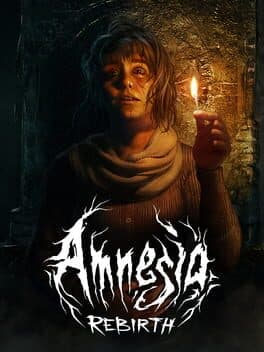
Amnesia: Rebirth game cover art
Satisfying to completePerfect for a weekend

Amnesia: Rebirth

Time
MODERATE
Focus
MODERATE
Challenge
LOW
Intensity
MODERATE
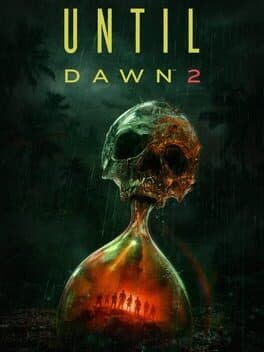
Until Dawn 2 game cover art
Satisfying to completePerfect for a weekend

Until Dawn 2

Time
LOW
Focus
MODERATE
Challenge
LOW
Intensity
MODERATE
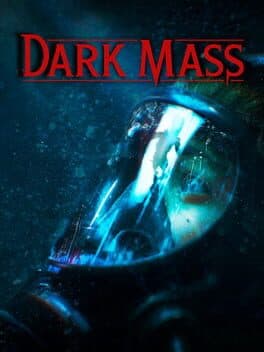
Dark Mass game cover art
Satisfying to completePerfect for a weekend

Dark Mass

Time
LOW
Focus
MODERATE
Challenge
LOW
Intensity
HIGH
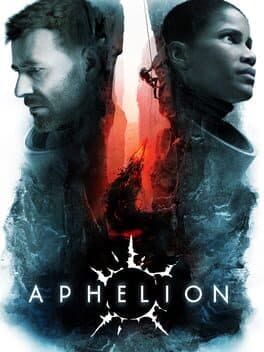
Aphelion game cover art
Satisfying to completePerfect for a weekend

Aphelion

Time
LOW
Focus
MODERATE
Challenge
LOW
Intensity
MODERATE
Alan Wake II game cover art
Satisfying to completeEmotionally heavy

Alan Wake II

Time
MODERATE
Focus
MODERATE
Challenge
MODERATE
Intensity
HIGH
← Back to Home