DON'T NOD • 2026 • PC (Microsoft Windows), PlayStation 5, Xbox Series X|S

DON'T NOD • 2026 • PC (Microsoft Windows), PlayStation 5, Xbox Series X|S
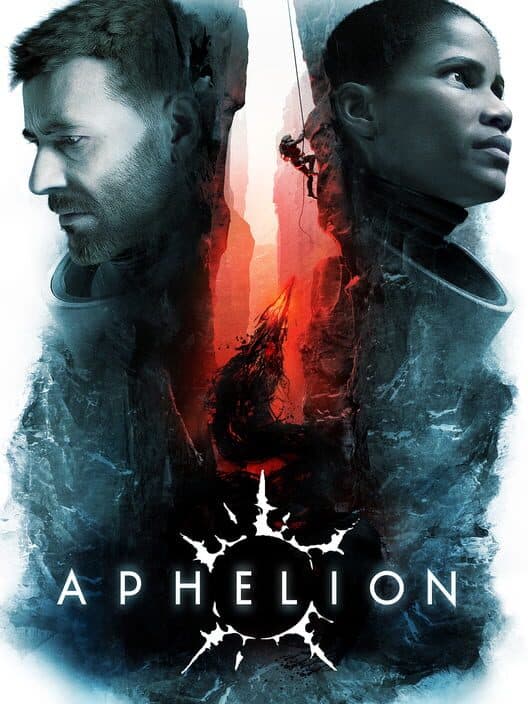
Aphelion is worth it if you want a short, story-first sci-fi trip and can forgive some mechanical rough edges. Its best moments come from the frozen planet itself: huge ice fields, quiet facility ruins, radio chatter between Ariane and Thomas, and a steady feeling of isolation that keeps the journey emotionally grounded. You are buying mood, pacing, and a focused ending, not a deep action sandbox. What it asks from you is pretty reasonable. The campaign usually lands around 8 to 12 hours, chapters break cleanly, and you can pause freely. The catch is that a lot of the play is climbing and stealth, and both can feel stiff. Missed ledge grabs, awkward retries, and thin stealth sequences are the main reasons people bounce off. Buy at full price if atmosphere and character-driven sci-fi are exactly your thing, or if it is included in a subscription you already use. Wait for a sale if you like these games but hate finicky movement. Skip it if you want polished combat, wide-open exploration, or a replayable systems-heavy game.
Even mixed reviews praise the frozen vistas, facility ruins, and restrained soundscape. The planet feels convincing enough that many players stay engaged despite mechanical issues.
Players who connect with the central pair say their radio exchanges and shared mission give the trip warmth and purpose, helping the story land even when gameplay stays simple.
Missed grabs, stiff climbing, and unreliable ledge reads show up across critic and user feedback. Because traversal fills so much of the campaign, this issue hits hard.
Many players like the idea of stalking and investigation, but say the Nemesis encounters and Thomas chapters do not gain enough depth to stay exciting all game.
Reports mention bugs, collision oddities, and reload points that can place you farther back than expected. In a short linear game, those hiccups stand out more.
People wanting a short, atmospheric story are often satisfied. Those expecting polished action set pieces or deeper systems tend to come away much colder.
A compact chapter-based trip that fits weeknights well, though checkpoint saving works best when you finish a scene before stepping away.
Aphelion is generous with your calendar, even if it is not perfect for every interruption. The main journey looks to land around 8 to 12 hours, which means you can reasonably finish it over a couple of weeks of normal evening play. Chapters, clear objectives, and regular story beats give you natural stopping points, so a 60 to 90 minute session usually feels productive. In return for that modest time ask, you get a complete, authored trip rather than a game that expects months of upkeep. It is also fully single-player, offline, and fully pausable, so there are no group schedules or live events tugging at you. The main caveat is saving. Evidence points to checkpoint and autosave progress rather than true save-anywhere freedom, so quitting at a random moment can mean replaying a section later. Coming back after a week should be manageable because goals stay clear and the toolset is small, but you may need a few minutes to remember where you were in the story. This is a good fit if you want something focused, finite, and easy to finish.
Mostly guided and readable, but it wants steady eyes on every climb, stealth path, and storm stretch if you want to avoid annoying checkpoint repeats.
Aphelion asks for steady, screen-on attention, but not the kind of deep planning that leaves you mentally fried. Most of your time is spent reading the space in front of you: spotting the next handhold on an ice wall, judging when to move through a stealth section, or figuring out where a storm or damaged corridor wants to funnel you next. Ariane's chapters are the busiest because climbing, grappling, and escape beats punish sloppy inputs. Thomas's sections ease off the physical pressure and trade it for slower observation, light route problems, and story context. In return, you get a clear, guided rhythm that rarely buries you in systems or menus. This is more about staying present than solving layered problems. You usually know the goal, but the game still wants your eyes on it, especially during movement-heavy stretches. If you are hoping to half-watch TV while playing, this is a poor match. If you want a focused, cinematic evening, it fits nicely.
You can learn the basics quickly, but awkward movement means the hardest part is often trusting the controls rather than understanding the game.
Aphelion is easy to understand and a little harder to feel comfortable in. The core actions come online fast: move, climb, grapple, sneak, inspect, manage oxygen in a few slower sections, and follow clear story goals. A typical player should grasp the basics within the first hour or two. What the game asks after that is patience with timing, route reading, and a movement model that several players find stiffer than the presentation suggests. In return, it gives you a short campaign that does not demand big homework, long practice sessions, or memorizing layered systems. The roughest part is not learning complex rules. It is handling occasional ledge misses, restart points, and stealth sections that can feel more fiddly than deep. The good news is that assist options appear meaningful, with features like auto-catch, ledge highlighting, and oxygen-related help taking the edge off. If you like story games with light mechanical demands, you will settle in quickly. If small control frustrations ruin your mood, the learning process may feel rougher than the actual design intends.
More lonely and tense than brutal, with stalking sequences and harsh weather creating pressure without pushing all the way into full survival horror.
Aphelion asks for emotional buy-in more than raw nerve. The pressure comes from isolation, harsh weather, low-visibility movement, and stealth sections where the Nemesis turns simple spaces into tense ones. There is also the pull of the Ariane and Thomas relationship, which gives even quieter scenes a worried, melancholy edge. In return, the game delivers suspense that is steady and moody rather than crushing. It is not built like a punishing horror game, and it usually does not keep your pulse spiking for long stretches. Most failures feel annoying before they feel terrifying, especially when a missed ledge grab or awkward checkpoint causes the setback. That matters, because the strongest emotional moments come from atmosphere and concern for the characters, not from being overwhelmed. It is a solid fit for nights when you want tension and story without signing up for full survival-horror stress. It is a weaker fit if stalking enemies, injury imagery, or body-horror touches make even moderate pressure a bad time.
Games with a similar rhythm and feel, even if they look different