hello@slated.gg
Powered by IGDB•Privacy•Terms

© 2026 Slated.gg

Slated.gg
Popular GamesAboutDiscover Games
Until Dawn 2

Sony Interactive Entertainment • 2027 • PlayStation 5
Satisfying to completePerfect for a weekendEmotionally heavy
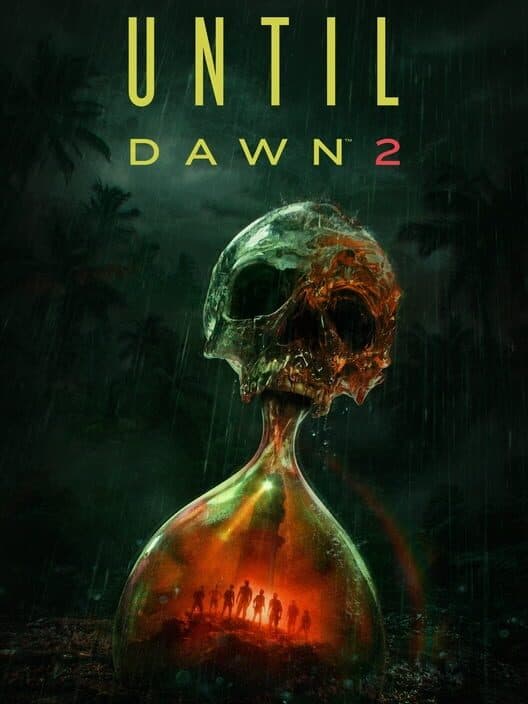
Until Dawn 2 cover art

Until Dawn 2

Sony Interactive Entertainment • 2027 • PlayStation 5

Satisfying to completePerfect for a weekendEmotionally heavy

Is Until Dawn 2 Worth It?

Probably worth it if you want a short, choice-driven horror story and you loved the first game's "everyone can live or die" hook, but right now this is still a wait-for-reviews purchase. Based on the reveal material, Until Dawn 2 looks built around tense conversations, clue hunting, chapter-end cliffhangers, and ugly decisions that shape who survives. That should make it a great fit for people who want a cinematic horror binge over a few weeknights, not a months-long hobby. What it seems to ask from you is attention and emotional energy, not elite mechanical skill. You'll likely spend more time reading faces and making snap moral calls than mastering combat. The tradeoff is a stronger feeling that your choices matter. Buy at full price if strong performances, branching drama, and replaying alternate outcomes are exactly what you want. Wait for reviews or a sale if you're mainly worried about the new studio matching the original's tone. Skip it if you dislike jump scares, gore, or games that punish bad choices by locking in character deaths.

What is Until Dawn 2 like?

Opinions of Until Dawn 2

What Players Love

  • Players Love

    Fans are thrilled a true numbered sequel exists

    Reveal reactions often sound relieved as much as excited. After years of rumors and spinoffs, many fans are simply happy the series is getting a proper follow-up.

  • Players Love

    The butterfly-effect horror formula still looks intact here

    Choice-driven deaths, multiple endings, and small moments snowballing into bigger outcomes reassure players that the series' core identity may still be in place.

Common Concerns

  • Common Concern

    The studio change makes players cautiously optimistic so far

    A big share of early discussion centers on trust. People like what they've seen, but many are waiting to see whether Firesprite can match the original's tone and branching drama.

Divisive Aspects

  • Divisive

    Fresh cast and sequel branding split longtime fans

    Some people like a standalone story because it avoids making one old ending canon. Others think the numbered title promises closer ties to the original cast.

  • Divisive

    The campier island tone lands unevenly so far

    The influencer setup and sunny tropical setting give it B-movie flavor for some viewers, while others worry the brighter tone may weaken the dread.

What does Until Dawn 2 demand from you?

Time

LOW

Time

It looks like a compact solo horror binge with clean chapter stops, but likely less flexible about saving whenever you want.

LOW

For time-starved players, this is shaping up as a pretty friendly commitment overall. The likely sweet spot is a single campaign spread across several nights, not a game that expects months of routine play. If the sequel stays close to the first game's scale, one full run should land somewhere around a long weekend or a week of short sessions. The chapter-based structure is the big advantage. Horror games like this usually end scenes on clear cliffhangers, which makes it easy to stop after 45 to 90 minutes and still feel like you made meaningful progress. The bigger caveat is flexibility inside those chapters. Public materials have not confirmed manual saves, and the series tradition suggests autosaves with choices that stick. That means the game should be easy to schedule, but not always easy to interrupt at any random second. It also looks firmly solo, which helps a lot. No raid calendar, no multiplayer pressure, no fear of falling behind. Replay seems optional and curiosity-driven, not a required long-term grind.

Tips
  • Plan for about an hour at a time; that should fit the likely cliffhanger rhythm without turning every night into a marathon.
  • Try not to stop right before a big choice or chase, since autosaves may lock in consequences before you've fully reoriented.
  • If you step away for a week, spend two minutes reviewing who trusts whom and what clues you found before loading back in.

Focus

MODERATE

Focus

Most of the time you're watching closely, reading people, and waiting for the next bad decision, with short bursts of fast input instead of constant action.

MODERATE

This looks like a game that asks for steady attention rather than deep system mastery. During calm stretches you'll probably be searching rooms, listening to tense conversations, and catching small clues in faces, tone, and environmental details. That means you can understand the controls quickly, but you likely cannot half-watch TV or scroll your phone and still feel in control of the story. The real workload is social: who is hiding something, who is panicking, and which tiny comment might come back later. Short chase scenes and button prompts should spike the demand for a few seconds at a time, but they do not appear to be the main loop. For a weeknight player, the trade is simple. It asks you to stay present and emotionally plugged in, then pays that back with stronger suspense and a better sense that your choices actually matter. If you enjoy interactive dramas and horror movies, that kind of attention will probably feel rewarding rather than mentally draining.

Tips
  • Play with headphones and put your phone down; dialogue tone and sudden audio cues will likely matter more than raw combat skill.
  • Stop at chapter breaks when possible, because jumping back in during a panic scene makes it much harder to remember recent relationship shifts.
  • If prompt-assist options return, turn them on without guilt; the fun here is steering the story, not proving your thumb speed.

Challenge

LOW

Challenge

Easy to pick up, harder to feel confident in, because the controls should be simple while the real challenge is judging people under pressure.

LOW

Based on the current reveal, this does not look hard to learn in the usual sense. You will likely grasp the basic verbs fast: move around, inspect objects, choose dialogue, and respond to occasional quick prompts. Most players should feel functionally comfortable within an hour or two. What stays slippery is confidence. These games often hide their most important lesson in hindsight, where a choice that seemed harmless turns out to matter much later. So the skill growth is less about getting faster hands and more about reading situations, trusting your instincts, and accepting that you cannot fully game the script on a first run. Compared with action-heavy horror, that is much kinder mechanically. Compared with a laid-back story game, it may feel sharper and less forgiving because it can lock in bad outcomes. The exchange is a good one if you like authored drama: it asks for judgment more than practice, and it delivers the kind of "I should have known" moments that make replaying a branch tempting.

Tips
  • Expect to learn the controls fast, then spend the rest of the game second-guessing your choices instead of practicing advanced mechanics.
  • Use any accessibility settings for timed inputs; they lower frustration without undercutting the real appeal, which is seeing your decisions play out.
  • A clean first run matters less than an honest one; these games are usually better when you commit to your calls and live with them.

Intensity

MODERATE

Intensity

The pressure seems high even when the controls stay simple, because the fear comes from dread, surprise, and the feeling that one mistake could cost a life.

MODERATE

This appears set to be tense in the same way a strong horror miniseries is tense. The strain should come less from losing hard fights and more from anticipation, jump scares, ugly tradeoffs, and the constant idea that someone might die because of what you just did. That makes the experience emotionally loud even if the actual inputs stay fairly approachable. Expect slower scenes to build dread instead of offering true relaxation. Walking through a quiet hallway, hearing a fight break out between characters, or choosing whether to investigate one more clue can all feel loaded when the game keeps reminding you that consequences stick. The good news is that this kind of pressure usually has a clean payoff. If the performances and branching drama land, the stress turns into strong momentum, memorable cliffhangers, and post-session discussion about what you should have done differently. If you want comfort gaming, this probably will not be it. If you want nervous, high-stakes horror energy in a manageable runtime, that is exactly the appeal.

Tips
  • Play earlier in the evening if horror sticks with you; the suspense looks designed to linger after a chapter ends.
  • Treat character deaths as part of your story on a first run; save-scumming would likely drain a lot of the intended tension.
  • If you're easily rattled, alternate this with a lighter game; the stress seems emotional, not mechanically exhausting, but it can still wear on you.

Frequently Asked Questions

It does not look mechanically hard, but it probably will feel stressful. If it follows the first Until Dawn and games like The Quarry, the controls should be simple: walk, explore, pick dialogue, and handle occasional quick prompts during chase scenes or panic moments. Most people should understand how to play within the first hour or two. The harder part is decision pressure. You may need to react quickly once in a while, but the bigger challenge is choosing under uncertainty and accepting that a bad call can cost a character or close off a better outcome. That can feel punishing even if the game is not technically demanding. Compared with something like Resident Evil 2 or God of War, this should ask far less of your aim, timing, and combat skill. Compared with Life is Strange or The Quarry, it will likely feel tenser and a bit less forgiving. If recent Sony accessibility options carry over, prompt assists could soften the busiest scenes a lot. People who hate pressure may find it rough; horror fans should be fine.

Expect roughly 8 to 12 hours for one full playthrough, with 14 to 20 or more if you replay major branches. That estimate is not confirmed yet; it mainly comes from the first game's length and from how Sony is describing this as a compact, standalone story instead of an endless progression game. It looks well suited to 45-to-90-minute sessions. Games in this style usually move in clear chapters, with built-in cliffhangers that make it easy to say "one more scene" and also easy enough to stop when a chapter ends. The bigger question is saving. Current public materials do not confirm manual saves, and the series tradition points to autosaves and locked-in consequences. That usually means you can stop between scenes, but you may not want to quit right before a big choice or chase. If you only want credits once, the time ask should be modest. If you enjoy testing alternate outcomes, saving everyone, or seeing different deaths, the hours can easily double.

Yes, it looks stressful, but in a very specific way. The pressure should come from dread, jump scares, arguments between characters, and the fear that one bad call could get someone killed. That is good horror stress for people who like scary movies and branching drama. It is not the same as the exhausting stress of a brutally hard action game where every fight demands perfect execution. Based on what has been shown, Until Dawn 2 seems more emotionally intense than mechanically punishing. You'll probably spend more time bracing for consequences than sweating over combat. That also means the game may hit differently depending on when you play. It looks great for a dedicated evening when you want suspense and cliffhangers. It looks much worse as a late-night wind-down if you want something calm before bed. If you enjoy tension with a strong story payoff, this could be a great fit. If gore, panic, and jump-scare energy wear you out fast, it may be more draining than fun.

Yes. This appears to be built first and foremost as a solo game. One person makes the calls, handles the prompts, and owns the consequences, so you should not need co-op partners, matchmaking, or any kind of regular group commitment. That makes it much easier to fit into a busy week than games that depend on scheduling other people. It also seems likely to work well in short solo sessions because chapter breaks naturally create stopping points. The one caveat is that solo does not automatically mean relaxed. You will still need to pay attention to dialogue, clue placement, and quick decisions, and returning after a week may take a few minutes of reorientation. Even so, the overall structure should be friendly to playing alone on your own time. It is also the kind of game that can be fun with a second person on the couch giving opinions, but that is a bonus, not a requirement. If you mainly want a contained, story-led experience for weeknights, solo play looks like the intended way to go.

No, nothing public suggests any pay-to-win elements. Until Dawn 2 is being presented as a standard premium single-player release, which usually means you buy the game once and play the full story without stat boosts, card packs, energy timers, or cash shortcuts. That matters here because the whole appeal is narrative consequence. Selling better outcomes or safer choices would undercut the design. There is one important caveat: this is still a pre-release read. Sony has not fully detailed post-launch extras, and publishers can always sell cosmetics, soundtrack packs, or bonus scenes later. Even so, pay-to-win would be very unusual for a story-first PlayStation release of this type. So the practical answer is simple: you almost certainly will not need to spend more money to keep characters alive, unlock the real ending, or stay competitive. If extra purchases appear at all, they are far more likely to be optional add-ons than power advantages.

You Might Also Like

Games with a similar rhythm and feel, even if they look different
Explore more→
Hunter's Moon game cover art
Satisfying to completePerfect for a weekend

Hunter's Moon

Time
LOW
Focus
MODERATE
Challenge
LOW
Intensity
MODERATE
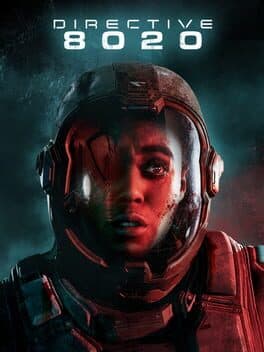
Directive 8020 game cover art
Satisfying to completePerfect for a weekend

Directive 8020

Time
LOW
Focus
MODERATE
Challenge
LOW
Intensity
MODERATE
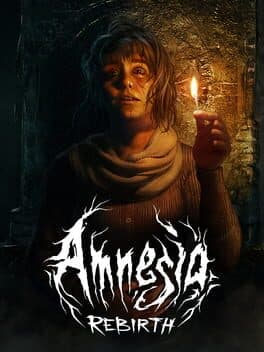
Amnesia: Rebirth game cover art
Satisfying to completePerfect for a weekend

Amnesia: Rebirth

Time
MODERATE
Focus
MODERATE
Challenge
LOW
Intensity
MODERATE
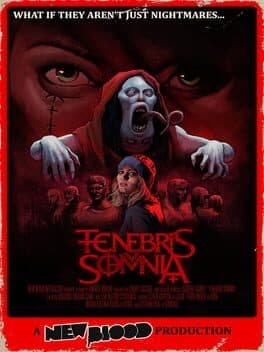
Tenebris Somnia game cover art
Satisfying to completePerfect for a weekend

Tenebris Somnia

Time
LOW
Focus
MODERATE
Challenge
MODERATE
Intensity
HIGH
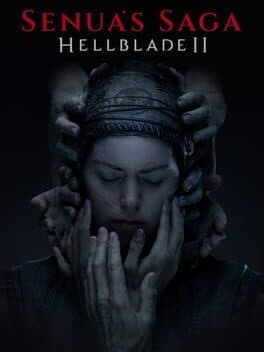
Hellblade II: Senua's Saga game cover art
Satisfying to completePerfect for a weekend

Hellblade II: Senua's Saga

Time
LOW
Focus
MODERATE
Challenge
LOW
Intensity
MODERATE
Dark Mass game cover art
Satisfying to completePerfect for a weekend

Dark Mass

Time
LOW
Focus
MODERATE
Challenge
LOW
Intensity
HIGH
← Back to Home