hello@slated.gg
Powered by IGDB•Privacy•Terms

© 2026 Slated.gg

Slated.gg
Popular GamesAboutDiscover Games
Over the Hill

Funselektor Labs • 2026 • Xbox Series X|S, Nintendo Switch 2, PC (Microsoft Windows), PlayStation 5
Satisfying to completeGreat for winding downPerfect for a weekend
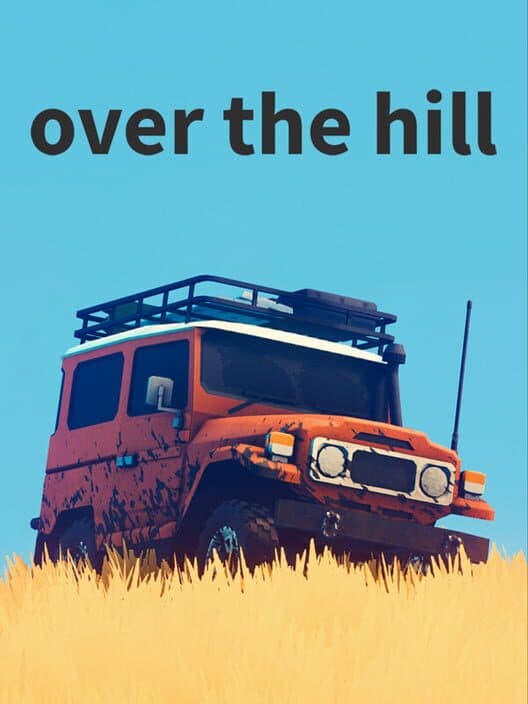
Over the Hill cover art

Over the Hill

Funselektor Labs • 2026 • Xbox Series X|S, Nintendo Switch 2, PC (Microsoft Windows), PlayStation 5

Satisfying to completeGreat for winding downPerfect for a weekend

Is Over the Hill Worth It?

Yes for the right player, with one big caveat: make sure performance is solid on your platform. Over the Hill looks like a great fit if you want a calm evening game built around scenic drives, older trucks, and the slow satisfaction of solving a nasty patch of mud or a rocky climb. What makes it stand out is its balance. It gives you real terrain reading, vehicle recovery, and route choice, but it avoids the heavier overhead of full sim-style off-roading. That makes it easier to enjoy in weeknight sessions. What it asks from you is patience more than speed. A bad decision can cost time, supplies, and pride, and a quick drive can turn into a stubborn rescue. Buy at full price if the mellow off-road loop sounds like your kind of relaxation and early technical reports on your platform look good. Wait for a sale if you're curious but unsure. Skip it if you want competition, story drama, or serious wheel-and-pedal depth.

What is Over the Hill like?

Opinions of Over the Hill

What Players Love

  • Players Love

    Beautiful scenery and calm pacing make it easy to unwind

    Players keep highlighting the warm art style, quiet wilderness, and soothing rhythm. Even long drives or failed climbs often feel peaceful rather than draining.

  • Players Love

    Off-road driving feels welcoming without losing real trail challenge

    Many players like that terrain, gears, weather, and recovery tools matter, but the game stops short of overwhelming sim complexity. It feels technical without feeling hostile.

Common Concerns

  • Common Concern

    Performance issues are the clearest complaint in early feedback

    Frame rate drops and rough optimization show up often in demo impressions, especially on weaker PCs and handhelds. This is the biggest caution flag right now.

  • Common Concern

    Controls and missing wheel support bother some driving enthusiasts

    A smaller but repeated concern centers on winch controls, keyboard feel, and the lack of wheel support at launch. Most players can adapt, but sim fans notice it.

Divisive Aspects

  • Divisive

    Streamlined handling splits relaxed players and sim purists

    Some love the lighter, easier-to-read vehicle model, while others want deeper realism, heavier physics, and more sim detail. Your expectations will matter a lot.

What does Over the Hill demand from you?

Time

LOW

Time

Best in 60 to 90 minute chunks, with cabins and objectives creating clean stopping points. It fits weeknights better than marathon weekends.

LOW

For a busy schedule, this looks more flexible than most open-ended driving games. The maps are broad and inviting, but the structure gives you anchors: cabins, objective markers, merchants, challenge routes, and clear regional progress. That means you can usually end a session feeling like you finished something, even if all you did was reach a safe stop, clear one task, or scout a new path. Solo play seems especially manageable because the pace is slow and pausing mid-drive should be workable. The bigger caveat is quitting, not pausing. Current info suggests progress is tied more to resting places than true save-anywhere freedom, so the cleanest sessions are still planned ones, usually around an hour or more. The good news is that returning after a break should be easy. There is little plot to remember, the vehicle model is streamlined, and your next goal is usually visible on the map. Expect a satisfying run to land around a few weeks of casual play, with co-op adding fun but never feeling mandatory.

Tips
  • Aim to end sessions at cabins, merchants, or lookout points so your next return starts with progress instead of confusion.
  • Plan tricky trails only when you have extra time. Recovery chains can easily turn a short drive into a long one.
  • Solo is easiest to fit around life. Save co-op for nights when everyone can commit to a full expedition.

Focus

MODERATE

Focus

You're usually calmly reading mud, rocks, and slopes instead of reacting fast. It asks for steady attention, but the slow pace leaves room to breathe.

MODERATE

Over the Hill asks for active attention, but not frantic attention. Most of the time you're scanning the trail ahead, judging mud depth, rock placement, slope angle, and whether your current line is about to tip the truck or bury it. The thinking is practical and physical. You are not memorizing combo strings or juggling ten systems at once. You are making small calls about momentum, gear choice, recovery tools, and whether to push forward or back out before a bad situation gets worse. That makes it a solid fit for players who enjoy slow problem solving and a poor fit for true second-screen play. While the pace is calm, you still need your eyes on the road when the vehicle is moving. The payoff is that the game turns attention into presence. Instead of demanding constant stress, it gives you a satisfying sense of reading the land well and feeling more in tune with the vehicle each session. Harder trails, bad weather, and night driving raise the load quickly, but scenic cruising stays comfortably moderate.

Tips
  • Use low gear earlier on mud, rocks, and steep climbs; forcing speed usually creates more steering corrections and longer recoveries.
  • Treat night and bad weather like difficulty modifiers. Save trickier routes for daylight when you want a calmer session.
  • Zoom out and read the trail before committing. A ten-second pause often saves a ten-minute rescue.

Challenge

LOW

Challenge

Easy to start, satisfying to improve at. You learn by feeling how mud, weather, gears, and recovery tools really behave.

LOW

The skill curve here seems friendly at the start and quietly rewarding over time. You can understand the basics without a huge manual: pick a vehicle, read the trail, use the right gear, and recover when a plan goes bad. That makes it much easier to enter than heavier off-road sims. The real learning comes from feel. You gradually notice which mud patches steal all momentum, when a hill wants a different angle, how weather changes grip, and when stubbornness is costing more than a clean reset. In other words, the game asks for practical judgment, not elite speed or encyclopedic system knowledge. It also seems reasonably kind about mistakes. A bad decision may cost time, repair items, or progress toward the next safe point, but it usually teaches something useful instead of wiping out your evening. That balance is a big part of the appeal. You get the pleasure of improving and driving smarter without needing to make the game your whole hobby. If you enjoy figuring things out through repetition, it should feel welcoming. If you want instant success with no setbacks, it may feel fussier than its cozy look suggests.

Tips
  • Try a few trucks on the same route; learning what vehicle weight and tires change is faster than grinding one stubborn setup.
  • Use resets as feedback, not failure. They reveal which line, gear, or approach angle the trail actually wanted.
  • When you get stuck repeatedly, slow down and watch tire placement. Clean positioning matters more than brute throttle.

Intensity

LOW

Intensity

This is gentle frustration, not white-knuckle panic. Bad lines cost time and repair items, but the mood stays mellow far more often than stressful.

LOW

This looks like a low-stress game with flashes of stubborn tension. Most sessions should feel peaceful: quiet scenery, steady engine noise, and the slow satisfaction of making progress toward a cabin or objective. When pressure appears, it comes from your own mistakes and the terrain pushing back. You choose a risky angle, sink into mud, clip a rock, or take on water, and suddenly you have to decide whether to spend supplies, try a careful recovery, or accept a reset. That can be frustrating in the moment, but it is a grounded, mechanical kind of pressure rather than panic. There are no enemies hunting you, no constant timers, and no jump scares. For many people, that trade is ideal. The game asks for patience and a willingness to laugh off small disasters, then pays you back with a calm mood and the slow-burn joy of solving a messy situation. It is best when you want to unwind while still doing something a little thoughtful, not when you are already tired and impatient.

Tips
  • If a trail stops feeling relaxing, switch objectives or head for a cabin before frustration turns one mistake into a chain reaction.
  • Don't be shy about reversing out early. Pride costs more repair kits than caution in this kind of game.
  • Co-op is great for tense recoveries since another player can tow or scout instead of leaving you alone with a reset.

Frequently Asked Questions

Over the Hill looks medium, not brutal. It seems easier to learn than SnowRunner or MudRunner, but more demanding than an arcade-style cruise in something like Forza Horizon. The hard part is not fast reflexes. It is reading terrain, choosing the right line, knowing when to use low gear, and accepting when you should back out instead of forcing a bad climb. Most players should understand the basics in a few hours. Real comfort will take longer, because mud, water, slopes, weather, and vehicle weight start to click through repetition. If you are patient and like solving practical little problems, it should feel satisfying rather than punishing. If you rush, dislike getting stuck, or want to hold the accelerator and go, it may feel harder than its relaxed mood suggests. Mistakes seem to cost time and repair items more than huge chunks of progress, so the game teaches without crushing you. It should feel approachable for newcomers while still giving experienced vehicle players room to drive cleaner and smarter.

Expect roughly 12 to 20 hours to see the main regions and feel like you got the core experience, with 20 to 30+ hours if you want to clear most objectives, unlock more vehicles, and explore more thoroughly. This is not a one-night game, but it also does not look like a months-long lifestyle commitment. It seems built for 60 to 90 minute sessions. Cabins, objective markers, challenge trails, and merchant stops give you natural places to call it a night. The one catch is that progress does not appear to be fully save-anywhere. You can likely pause fine in solo play, but quitting at the perfect second may not always be ideal if you are halfway through a messy recovery. Replay value looks moderate. Different trucks, alternate routes, co-op expeditions, photography, and free exploration should keep it enjoyable after the main push, but the maps are hand-crafted, not endlessly procedural. Once you have seen most regions, the reason to keep playing will be mood and mastery, not constant surprise.

Mostly calm, with short bursts of stubborn frustration. Over the Hill looks much more like a soothing evening drive than a heart-racing challenge game. The usual feeling is quiet concentration while you read the trail, enjoy the scenery, and slowly work through mud, rocks, water, and weather. The stress here is the good kind when you are in the right mood. You pick a risky line, the truck starts to tip, and you have to decide whether to winch, reverse, spend a repair item, or accept a reset. That can be tense for a minute, but it is tension built around problem solving, not panic. There are no enemies, jump scares, or constant timer pressure. The bad version of the stress shows up when you are tired or impatient. If you wanted a quick, thoughtless drive and instead spend twenty minutes undoing one bad decision, the game can feel prickly. Best time to play it is when you want to sink into the scenery and don't mind a bit of slow, mechanical stubbornness.

Yes. It looks fully built to work well solo, and that is probably how many people will play it most of the time. Co-op adds fun rescue moments and shared sightseeing, but nothing in the core structure suggests you need friends online to enjoy or finish the game. It also looks fairly friendly to casual weeknight play. Objectives, cabins, merchants, and scenic stopping points give you clean session breaks, and the overall pace is slow enough that pausing in solo play should not be stressful. The main limitation is saving. Current info points to cabin or resting-place progress rather than perfect save-anywhere freedom, so it is better for planned 60 to 90 minute sessions than five-minute bursts. Coming back after a week should be painless. There is little story to remember, no huge skill reset, and the loop is easy to re-read: pick a truck, check nearby goals, and drive. If you want a solo game you can enjoy in chunks without social obligations, this looks like a strong fit.

No. Everything currently shown points to a simple one-time purchase with no pay-to-win layer. Vehicles, upgrades, and cosmetics are described as things you earn in the game through exploration, objectives, and currency, not as power sold through a cash shop. That matters here because the whole appeal is the slow satisfaction of learning trails and improving your setup. Selling better tires, stronger vehicles, or easier recovery tools would cut against the design, and there is no sign the studio is going that route. Early official messaging places the price around the same range as art of rally and frames this as a premium release. The only caveat is that this profile is still somewhat provisional because the broader full launch picture has been uneven across storefronts. Plans can change. But based on current store pages, the FAQ, and early public info, there is no indication of microtransactions, no competitive advantage to buy, and no monetized grind pressure. Right now, it looks clean.

You Might Also Like

Games with a similar rhythm and feel, even if they look different

Explore more→
Donkey Kong Bananza game cover art
Satisfying to completeGreat for winding down

Donkey Kong Bananza

Time
LOW
Focus
MODERATE
Challenge
LOW
Intensity
LOW
Revenge of the Savage Planet game cover art
Satisfying to completeGreat for winding down

Revenge of the Savage Planet

Time
MODERATE
Focus
MODERATE
Challenge
LOW
Intensity
LOW
Hela: Of Mice & Magic game cover art
Great for winding downSatisfying to complete

Hela: Of Mice & Magic

Time
LOW
Focus
MODERATE
Challenge
LOW
Intensity
VERY LOW
Forza Horizon 6 game cover art
Great for winding downSatisfying to complete

Forza Horizon 6

Time
LOW
Focus
MODERATE
Challenge
LOW
Intensity
LOW
Yoshi and the Mysterious Book game cover art
Great for winding downSatisfying to complete

Yoshi and the Mysterious Book

Time
LOW
Focus
MODERATE
Challenge
LOW
Intensity
VERY LOW
Astroneer game cover art
Great for winding downSatisfying to complete

Astroneer

Time
MODERATE
Focus
MODERATE
Challenge
MODERATE
Intensity
LOW
← Back to Home