Celeste

Maddy Makes Games2018Google Stadia, PlayStation 4, Linux, PC (Microsoft Windows), Mac, Xbox One, Nintendo Switch
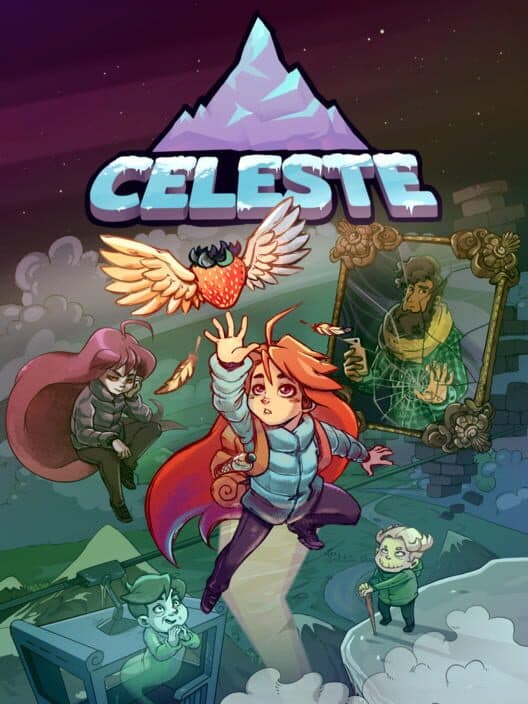
Challenging precision platforming, constant retries

Short rooms, easy stop-and-resume

Personal, uplifting story about anxiety

Is Celeste Worth It?

Celeste is absolutely worth it if you enjoy challenging platformers and don’t mind dying a lot to learn. It combines tight, responsive controls with a surprisingly heartfelt story about anxiety and self-acceptance, all wrapped in a compact package that fits into adult schedules. The game asks for focused attention, patience with repeated failure, and a willingness to keep trying even when a room feels impossible. In return, it delivers some of the most satisfying “I did it” moments in modern games, along with an emotionally honest narrative that often sticks with players long after the credits. If you’re mainly into open-world wandering, power fantasies, or low-stress relaxation, this probably isn’t the best fit at full price; you might still enjoy the story on sale using Assist Mode. But if you like the idea of a tough, fair, finite challenge that respects your time and pays off perseverance, Celeste is an easy recommendation at any reasonable price point.

When is Celeste at its best?

When you have 45–90 minutes in the evening, want to focus fully, and crave a tough but fair challenge that leaves you feeling genuinely accomplished afterward.

On a quieter night when you have the emotional space for a story about anxiety and self-doubt, and you’re okay with failing a lot on the way to something uplifting.

During a busy week when you can only grab short pockets of time but still want a game that remembers your exact spot and makes every few attempts feel meaningful.

What is Celeste like?

In terms of time and lifestyle fit, Celeste is very friendly to busy adults. The full climb to the summit usually lands around 8–12 hours for most players, maybe a bit more if you explore optional strawberries or dabble in harder sides. That’s substantial but nowhere near “new hobby” territory. Sessions don’t need to be long; 30–90 minutes is enough to beat a few rooms, hit a story beat, or finish a chapter. The game autosaves at almost every screen, so if kids wake up or your phone rings, you can pause or quit with virtually no progress lost. Coming back after a week is painless: there are few systems to remember, and you reload at the exact room you left. It’s purely solo, so there’s no scheduling with friends or fear of falling behind a group. Overall, it respects your calendar while still feeling like a meaningful, complete adventure rather than an endless time sink.

Tips

  • Aim to finish a sub-section or reach a new campsite each session; that gives a satisfying sense of closure in 45–60 minutes.
  • Don’t feel pressured to clear all optional strawberries or hardest sides; for most adults, finishing the main story is a perfectly complete experience.
  • Use Celeste as a “project game” for a few weeks, then let it go once you reach the summit instead of forcing every last challenge.

In terms of focus and attention, Celeste asks a lot from you moment-to-moment but in small, digestible chunks. Each room is a compact little puzzle that demands you study its layout, plan a route, and then execute precise inputs without looking away. If you glance at your phone during a jump sequence, you’re probably landing in spikes. At the same time, those rooms are tiny and attempts are seconds long, so the game gives you natural micro-breaks as you reset and rethink. Dialog scenes and campfire moments offer longer breathers where you can relax and absorb the story. This makes Celeste a poor choice for “second-screen” play but a great fit when you’ve got 30–90 minutes to really lock in. It’s perfect for nights when you want to be fully engaged by a single task, not half-watching a show or chatting on your phone while you play.

Tips

  • Play when you can give it your full attention; trying tough rooms while distracted usually leads to frustration instead of satisfying progress.
  • Use story and campsite scenes as natural mental breaks to stretch, breathe, and reset before tackling the next demanding section.
  • If you feel your focus slipping, stop after clearing a room you were stuck on instead of forcing through the next one tired.

On the learning and skill side, Celeste is very approachable at the surface but has real teeth underneath. You only need to grasp movement, a dash, and climbing, and the first chapter eases you in gently. Within an hour or two you’ll understand how things work, but actually moving confidently through later chapters takes practice, timing, and pattern recognition. The game is excellent at showing your improvement: rooms that once took 30 attempts become warm-ups later, and you can feel your fingers learning tiny corrections. If you want to go deeper, optional B- and C-sides plus speedrun tools turn it into a long-term skill project. You don’t need that level of dedication to finish the story, though. For a busy adult, this means you can enjoy a strong sense of growth over a couple of weeks of normal play, with extra mastery available if you fall in love with the movement.

Tips

  • Spend a couple of warm-up attempts in an easier chapter at the start of a session to reacquaint your fingers with timing and wall climbs.
  • Focus on clearing the main story first; save B- and C-sides for later when you’re confident and actually craving a steeper challenge.
  • Watch a short clip or two of tricky rooms only after you’ve tried them yourself; seeing routes can unlock understanding without spoiling the whole game.

Celeste’s intensity sits in an interesting middle ground. The platforming can feel stressful in the moment—missing a jump by a pixel, dying dozens of times in one room, and feeling your shoulders tense as you push for that clean run. The subject matter adds another layer: panic attacks, self-doubt, and inner conflict are depicted honestly enough that some scenes may hit close to home. However, the game balances this with extremely low penalties for failure and a kind, ultimately hopeful tone. Every death is a split-second rewind, not a big loss of progress, so the pressure is more “can I do this?” than “I can’t afford to fail.” Quiet campfires, conversations, and gentle music give you emotional recovery points between hard stretches. For most adults, this will feel like “good stress” that energizes rather than overwhelms, but if repeated failure really spikes your frustration, you’ll want to take breaks or lean on Assist Mode.

Tips

  • If a room is raising your blood pressure, take a short walk or swap to an easier earlier chapter for a warm-down before stopping.
  • Remember you can adjust Assist Mode to lower intensity without trivializing everything; small tweaks to speed or stamina can dramatically reduce stress.
  • Play story-heavy segments when you’re emotionally fresh; save the hardest optional challenges for nights when you actively want a tough test.

Frequently Asked Questions