hello@slated.gg
Powered by IGDB•Privacy•Terms

© 2026 Slated.gg

Slated.gg
Popular GamesAboutDiscover Games
God of War Laufey

Sony Interactive Entertainment • 2027 • PlayStation 5
Quick sessionsSatisfying to completePerfect for a weekend
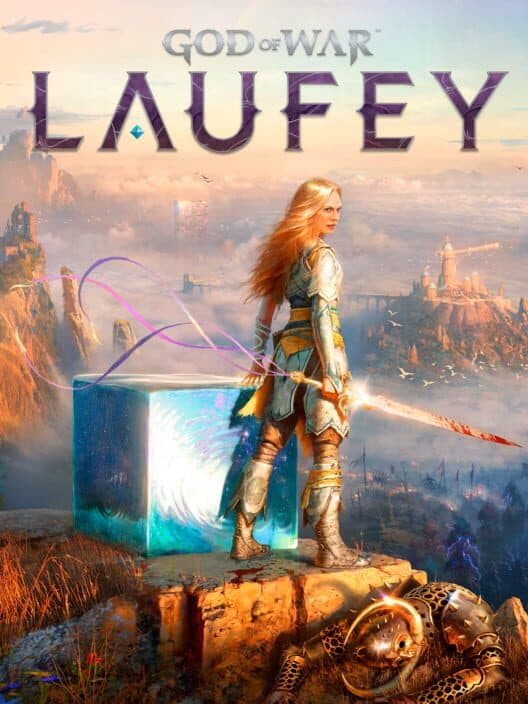
God of War Laufey cover art

God of War Laufey

Sony Interactive Entertainment • 2027 • PlayStation 5

Quick sessionsSatisfying to completePerfect for a weekend

Is God of War Laufey Worth It?

Based on pre-release footage, God of War Laufey looks worth watching closely if you like story-heavy action games and do not need Kratos to be the center of every moment. The big hook is easy to see: faster sword combat, air combos, soul-flavored magic, and a strange afterlife setting that feels different from the last two games without throwing away the series' cinematic pull. What it seems to ask from you is steady attention during fights and a few weeks of regular sessions to finish the campaign. What it seems to give back is a self-contained mythic adventure with strong production values, satisfying combat growth, and a fresh point of view inside this world. My practical verdict is simple. Buy at full price only if the Faye-led shift already appeals to you and you trust Santa Monica to land it. Wait for reviews or a sale if you are unsure about the brighter tone or want proof the story works without Kratos in front. Skip it if that premise alone is a deal-breaker.

What is God of War Laufey like?

Opinions of God of War Laufey

What Players Love

  • Players Love

    Faye’s faster combat is driving most early excitement

    Reveal footage has people excited about quicker movement, air combos, and soul-based magic, with many expecting a sharper and more expressive feel than Kratos' recent games.

  • Players Love

    The Everywhen setting feels fresh, strange, and intriguing

    Players are curious about the afterlife realm, new gods, and seeing this world through Faye's eyes, which helps the game feel like more than a routine follow-up.

Common Concerns

  • Common Concern

    No Kratos lead is the biggest early sticking point

    The strongest pushback is simple: some fans do not want a series entry without Kratos as the playable lead, regardless of how promising the footage looks.

Divisive Aspects

  • Divisive

    Brighter magic and odd companions split the audience

    Some viewers like the cube companion, ribbon guardian, and bolder fantasy color, while others feel those touches clash with the series' heavier tone.

What does God of War Laufey demand from you?

Time

MODERATE

Time

This looks like a several-week solo campaign with strong stopping points, likely easy pausing, and little social obligation beyond staying attached to the story.

MODERATE

This looks like a solid several-week solo campaign, not an endless lifestyle game. A reasonable expectation is around 18 to 25 hours for the main story and closer to 25 to 40 if you follow side paths, chase extra upgrades, and linger over lore. That makes it substantial without demanding months of upkeep. It also seems well suited to normal schedules. Story-driven action games in this mold usually create clean stopping points after fights, cutscenes, puzzles, and shop or upgrade moments, so you can end a session feeling like you actually finished something. Because it is single-player, there should be no pressure to coordinate with friends or keep up with a live community. The main catch is memory. If you step away for a week or two, you may need a short warm-up to remember the plot, current objective, and Faye's faster move set. Even so, the likely trade is friendly: it asks for regular but manageable attention over a few weeks, then gives you a full, self-contained adventure instead of an endless grind.

Tips
  • Plan most sessions around 60 to 90 minutes. That is long enough for story, exploration, and at least one meaningful combat spike.
  • After a break, spend five minutes checking objectives, gear, and button memory before starting a boss or major side path.
  • Save and quit after upgrade benches or chapter-like story beats whenever possible. Those are the cleanest re-entry points.

Focus

HIGH

Focus

Fights should keep your eyes locked on enemy tells and spacing, while exploration and story scenes give you short pockets to breathe and reset.

HIGH

Based on reveal footage, this looks like a game of strong bursts of attention rather than nonstop brain burn. When combat starts, you will probably need to stay locked in. Faye seems built around quicker movement, air launches, magic timing, and crowd control, so the busy moments should ask you to read enemy tells, track spacing, and pick the right target while staying mobile. You likely cannot treat fights as background noise or glance away for ten seconds. The upside is that it should feel sharp and satisfying when a messy arena finally clicks. Outside combat, the load likely drops. Traversal, side paths, lore pickups, and upgrade menus should give you room to breathe and reset before the next spike. So the trade is clear: it asks for real attention in short, repeatable bursts, then pays you back with clean action flow and cinematic momentum. If you enjoy authored adventure games that make you focus during fights but relax between them, this looks like a good match.

Tips
  • Treat the first few hours like a rhythm lesson. Learn dodge timing and enemy tells before worrying about longer air combos.
  • When fights get crowded, pick one target and one escape route instead of chasing stylish strings on every enemy.
  • Stop after a shop, solved gate, or story scene so your next session starts with a clear objective instead of mid-fight confusion.

Challenge

MODERATE

Challenge

Basic play should come quickly, but clean air combos, soul tools, and boss reads will likely take several evenings before the combat starts feeling natural.

MODERATE

It should be fairly approachable to start, but harder to play well than it is to simply survive. Most players will likely understand the basics within the first few sessions: attack, dodge, juggle a little, cast magic, and move on. The deeper learning is where the game may separate itself from older Kratos entries. Faye's faster rhythm seems to ask for smoother movement, better spacing, cleaner air follow-ups, and smarter use of soul tools to open enemies or control crowds. That means the first hours may feel a little busier than a standard story-action game, even if the overall campaign still aims at a broad audience. The good news is that this kind of growth usually feels rewarding fast. You do not need perfect execution to enjoy the story, but you may notice a real jump in satisfaction once you stop button-mashing and start reading fights on purpose. The trade is simple: it asks for a few evenings of practice, then pays you back with combat that should feel better and better as your confidence grows.

Tips
  • Build around a small core kit first: one launcher, one crowd-control option, and one reliable finisher will carry you further than flashy experimentation.
  • Spend time on weaker enemies practicing ground-to-air transitions so tougher fights feel familiar instead of chaotic.
  • Upgrade tools you use every fight before niche abilities. Early consistency matters more than having a huge move list.

Intensity

MODERATE

Intensity

Expect lively action pressure instead of dread. Bosses and crowded arenas should raise your pulse, but calmer travel and story beats keep it from feeling exhausting.

MODERATE

This looks more exciting than exhausting. The pressure should come from arena fights, mini-bosses, and big story battles where dodges, spacing, and meter use matter, not from horror, stealth panic, or punishing survival systems. In other words, expect your pulse to rise during the action, then settle again while exploring or listening to companion dialogue. That rhythm matters. A game can be hard on the hands without feeling emotionally heavy all the time, and this seems closer to that lane. The tone also appears serious and mythic rather than bleak for hours on end. There is death, afterlife imagery, and violent spectacle, but the brighter magic and stranger companions suggest moments of personality between the darker beats. If it follows recent Santa Monica pacing, failure will probably sting in the moment without wrecking your whole evening, since setbacks should come from restarting an encounter rather than losing hours of progress. So the exchange here is bursts of pressure for strong payoff: tense fights, boss releases, and that satisfying calm that comes after you finally clear a crowded room.

Tips
  • Enter suspicious arena spaces with healing and magic ready. Big doors and quiet prep rooms often signal a tougher fight next.
  • If a boss spikes your stress, take one retry to watch patterns only, then start pushing damage on the following run.
  • Use calmer exploration stretches to reset your hands and attention instead of forcing one more big encounter when tired.

Frequently Asked Questions

God of War Laufey will likely land in the medium to medium-hard range on normal, not in Soulslike territory. The challenge should come from faster movement, heavier enemy tracking, and boss fights that ask you to read attack tells and react cleanly, not from deliberately cruel punishment. Learning it looks very manageable. If you have played God of War 2018 or Ragnarök, you will probably recognize the overall structure quickly, but Faye's more aerial style may take a few evenings to feel natural. Mastering it is a different story. Clean air strings, smart magic use, and better crowd control will probably separate “I can beat this” from “I feel good at this.” That means the game may feel a touch busier than recent Kratos combat without becoming Devil May Cry-level demanding. Difficulty options are very likely if it follows recent Santa Monica games, but final tuning and accessibility details are not confirmed yet. If you want a story game with some bite, this should fit well. If you dislike repeated boss attempts or fast enemy pressure, wait for launch impressions.

Expect about 18 to 25 hours for the main story and roughly 25 to 40 hours if you do a healthy amount of side exploration. Those numbers are still projections, not verified retail times, because the game is not out yet. If it follows the recent God of War structure, most sessions will feel best at 60 to 90 minutes. That gives enough time for a story beat, a few fights, some exploration, and an upgrade stop before quitting. Shorter 20 to 30 minute check-ins should still work for a quick encounter or cleanup, but they may feel less satisfying if you stop in the middle of a bigger area. The good news is that this does not look like an endless hobby game. For most people, reaching credits and seeing a reasonable amount of optional content should feel like a complete experience. Replay time, if it lands, will likely come from combat mastery, higher difficulties, or second-run exploration rather than massive postgame systems.

It looks moderately stressful in a good way. The main pressure should come from fast fights, crowded arenas, and boss sequences that make you pay attention, not from horror, stealth failure, or losing huge chunks of progress. That means most tension will likely be short and focused. You gear up, enter a bigger fight, your pulse climbs, and then the game lets you breathe again through exploration, dialogue, or upgrade time. For many players, that is the sweet spot: exciting without feeling draining for an entire evening. The tone matters too. Even with death and afterlife themes, this does not seem built around fear or misery. It looks serious, but not oppressive. The biggest caveat is that faster combat can feel more stressful when you are tired or rusty, especially after a week away. If you want something peaceful before bed, this may not always be the right pick. If you want active, cinematic excitement with recovery breaks between spikes, it looks promising.

Yes. This is being built as a solo game first, and that also makes it look fairly friendly to casual weeknight play. There should be no party scheduling, no competitive pressure, and no social grind keeping you logged in. If it follows the recent God of War structure, you will likely get full pause, frequent checkpoints, and clear places to stop after fights, puzzles, or story scenes. That is a strong fit for people who play in 60 to 90 minute blocks. The main caution is not time pressure but mental re-entry. Because this looks story-driven and combat-heavy, taking a week or two off may mean spending a few minutes remembering the plot, controls, and current objective before you feel sharp again. That is still a lot easier than jumping back into a dense strategy game or online meta. So the short answer is yes, with a small caveat: it should be easy to fit into real life, but you will enjoy it most if you play regularly enough to keep Faye's move set fresh in your hands.

No. Everything public points to a normal one-time purchase with no pay-to-win design. Sony is presenting God of War Laufey as a premium single-player adventure, not a live-service game, and nothing announced suggests paid power boosts, battle passes, or systems that let you buy your way past hard fights. That matters here because the appeal seems built around learning Faye's combat style, seeing the story through, and enjoying the handcrafted set pieces. Selling raw power would cut against that whole structure. Of course, it is still worth checking the final store page near launch in case there are deluxe bonuses, cosmetics, or early-unlock extras. Even then, those would not automatically make the game pay-to-win unless they meaningfully change progression or combat balance. Based on everything available now, this looks about as far from pay-to-win as a modern big-budget action game gets. You buy the game once, play it offline if you want, and progress through skill and normal upgrades inside the campaign.

You Might Also Like

Games with a similar rhythm and feel, even if they look different
Explore more→
God of War Ragnarök game cover art
Story-driven

God of War Ragnarök

Time
MODERATE
Focus
MODERATE
Challenge
MODERATE
Intensity
MODERATE
Ghost of Yotei game cover art

Ghost of Yotei

Time
MODERATE
Focus
MODERATE
Challenge
MODERATE
Intensity
MODERATE
Stellar Blade game cover art
Satisfying to complete

Stellar Blade

Time
MODERATE
Focus
HIGH
Challenge
MODERATE
Intensity
MODERATE
Dragon Age: The Veilguard game cover art
Story-driven

Dragon Age: The Veilguard

Time
MODERATE
Focus
MODERATE
Challenge
MODERATE
Intensity
MODERATE
Echoes of Aincrad game cover art

Echoes of Aincrad

Time
MODERATE
Focus
MODERATE
Challenge
MODERATE
Intensity
MODERATE
Marvel's Wolverine game cover art
Quick sessionsSatisfying to complete

Marvel's Wolverine

Time
LOW
Focus
MODERATE
Challenge
MODERATE
Intensity
HIGH
← Back to Home