hello@slated.gg
Powered by IGDB•Privacy•Terms

© 2026 Slated.gg

Slated.gg
Popular GamesAboutDiscover Games
Fable

Xbox Game Studios • 2027 • Xbox Series X|S, PC (Microsoft Windows), PlayStation 5
Satisfying to completeLighthearted & fun
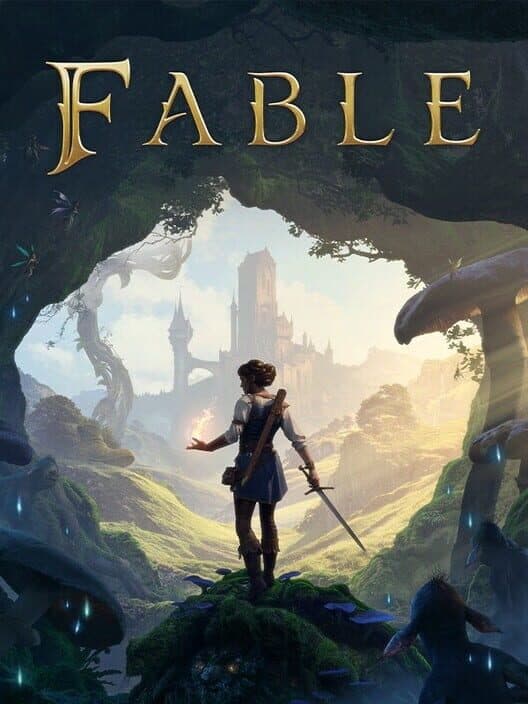
Fable cover art

Fable

Xbox Game Studios • 2027 • Xbox Series X|S, PC (Microsoft Windows), PlayStation 5

Satisfying to completeLighthearted & fun

Is Fable Worth It?

Probably yes, but Fable looks more like a smart wait-for-reviews game than a blind preorder. The big draw is not just saving Albion. It is shaping a Hero the world remembers through reputation, money, romance, property, and moral choices. If you love open worlds that let one session be a story quest and the next be buying a pub or fixing a bad reputation, this looks unusually flexible. It also seems friendly to real life because it is solo, pauseable, and built to give progress through smaller activities. The caution is that the best parts are still promises, not proven results. Preview excitement is strongest around the living-world systems, while the main worries are stiff facial animation and combat that looked too soft in showcase footage. Buy at full price if launch reviews say those social systems really land and the normal difficulty has more bite than the demo showed. Wait for a sale or use Game Pass if you mainly want polished action. Skip it if you want a tightly paced adventure with minimal side drift.

What is Fable like?

Opinions of Fable

What Players Love

  • Players Love

    Reactive social systems drive most of the excitement

    Preview coverage keeps circling back to romance, jobs, businesses, local reputation, and NPC memory. That mix makes Albion feel more reactive than a standard quest world.

  • Players Love

    The long demo restored confidence in Fable's tone

    The extended gameplay reveal eased a lot of skepticism. Many viewers came away saying the humor, chaos, and choice-driven identity finally felt recognizably Fable again.

Common Concerns

  • Common Concern

    Facial animation still worries many prospective players today

    Even people excited by the world often call out stiff faces and uneven lip-sync. If character scenes do heavy lifting, that presentation issue could matter more than it sounds.

  • Common Concern

    Combat looked soft in the public showcase footage

    A common hesitation is that combat looked too polite in the demo, with enemies lacking bite. Story difficulty context helped, but many still want normal-mode proof.

Divisive Aspects

  • Divisive

    Fans still split on whether it feels right

    Some fans see the reboot as a strong return to the series' odd charm, while others still feel something is missing. That question of authenticity remains a real split.

What does Fable demand from you?

Time

MODERATE

Time

It looks friendly to weeknight play thanks to solo structure, full pause, and likely clear quest leads, even if the world invites side detours.

MODERATE

Fable looks surprisingly workable for a stop-and-start schedule. It asks for a moderate overall commitment, probably a few dozen hours rather than a whole season of your life, and the solo structure makes a big difference. You can pause, save, and leave without worrying about other players. Just as important, the world seems built to reward smaller wins. A session does not need to be a giant story mission to feel worthwhile. You might earn money from a job, buy a property, repair a relationship, or settle on your next town goal and still log off feeling like the night counted. In return for that flexibility, the game asks you to remember your own personal web of choices. If you take a week or two off, the main plot will probably be easy enough to find again, but the details of who likes you, what you own, and what kind of person you were trying to become may take a few minutes to rebuild. Ending sessions in towns and leaving yourself one clear next step should help a lot.

Tips
  • End sessions in towns
  • Leave one clear next step
  • Note relationship plans

Focus

MODERATE

Focus

Most sessions bounce between easygoing town tinkering and alert real-time fights, so you can relax for stretches but still need to stay present when things turn messy.

MODERATE

Fable looks like a game of shifting gears. One part asks you to stay alert in real-time fights, swap between weapons and magic, read enemy groups, and watch where you are standing. The other part is much softer: chatting with townsfolk, checking who likes your current look or reputation, deciding how to spend gold, and picking what kind of Hero you want to be. That means it usually won't pin you to the edge of your seat every minute, but it also isn't something you half-watch while doing three other things. It asks for steady attention rather than nonstop strain, and in return it gives you a world where your choices feel more personal than a simple quest checklist. For a busy player, the nice part is that quieter town stretches should let you breathe between heavier moments. The catch is that if you dive into romance, property, and reputation systems all at once, the mental load climbs fast. Pick one short-term goal per session and the game should feel much easier to hold in your head.

Tips
  • Pick one goal nightly
  • Handle errands in towns
  • Swap tools, don't mash

Challenge

MODERATE

Challenge

The basics should click fast, but the fun comes from learning how combat, money, reputation, romance, and property feed into one another over time.

MODERATE

The basics should be approachable. Moving through the world, taking quests, and fighting with melee, ranged, and magic do not look hard to understand if you already play modern action adventures. Where it asks for more patience is in the overlap between systems. Albion seems built so that money, clothes, romance, property, local reputation, and combat style all feed back into the kind of life you are building. You likely can ignore some of that and still finish the main story, but the game looks richer if you learn how those pieces connect. In return for that extra curiosity, it promises something more personal than a straight combat-and-cutscene ride. You are not just getting stronger. You are shaping how towns react to you and what paths feel open. Mistakes also seem survivable. This does not look like the sort of game where one wrong call ruins a run. For most people, the best approach will be to learn in layers: get comfortable fighting first, then slowly pull in the social and economic systems. That should keep the fun feeling experimental instead of overwhelming.

Tips
  • Learn one combat style
  • Test systems in side content
  • Let mistakes shape roleplay

Intensity

MODERATE

Intensity

This is more breezy adventure than nerve-shredder, with bursts of real danger during fights and sharper emotional hits when your choices sour a relationship or town.

MODERATE

Fable appears to sit in the sweet spot between cozy wandering and real action. It asks you to handle bursts of danger in combat and live with some social fallout when you act selfishly, but it does not seem built to grind you down with constant pressure. There is no big countdown hanging over every hour, and the series tone still leans playful, cheeky, and a little absurd. That matters, because the same bad choice that might feel grim in another game can feel more like mischievous roleplay here. In return for those moderate stakes, you get a world that seems reactive without becoming exhausting. Most nights should feel energized rather than drained. If the final combat lands close to the preview footage, the stressful parts will come in pockets: a messy fight, a reputation hit, or a choice that closes off a social angle you wanted. That makes it a better fit for regular evenings than for players who only want either pure relaxation or brutally punishing tension.

Tips
  • Use towns to decompress
  • Save before big choices
  • Avoid marathon quest chains

Frequently Asked Questions

Fable looks mid-range rather than punishing. Based on the footage and developer breakdowns, the main challenge seems to come from juggling melee, ranged, and magic while reading mixed enemy groups, not from split-second perfection or brutal death penalties. Think closer to Horizon Zero Dawn or God of War on normal than Elden Ring or Sekiro. The bigger learning step may be outside combat: money, reputation, romance, jobs, and property all seem to connect, so understanding how Albion reacts to your choices may take a few evenings. That said, current footage was shown on Story difficulty, so the public demo probably understated the default challenge. If you usually handle mainstream action adventures on normal, you should likely be fine after a short adjustment period. If you want relentless boss-wall difficulty, this may feel too soft. If you dislike real-time action or get overwhelmed when several systems overlap, it may feel busier than its lighthearted tone suggests. Because the game is still unreleased, treat this as a strong estimate, not a final verdict.

Expect roughly 25 to 35 hours to roll credits while actually engaging with Albion, and around 45 to 60 hours if you also spend real time on property, romance, jobs, and side stories. A completionist run could easily push past 70 hours, but most people do not need that to feel satisfied. The key thing is that progress does not seem tied only to long story missions. A shorter night can still feel productive if you buy a house, improve a relationship, earn gold, or clean up your reputation in one town. That matters if you only play a few nights a week. The game also looks friendly to stop-and-start play thanks to full pause and save-anywhere support, so 45 to 90 minute sessions should work well. The tradeoff is remembering your personal web of goals. If you step away for two weeks, you may need a few minutes to recall who likes you, what property you own, and which version of your Hero you were building. Since the game is unreleased, these hour estimates remain provisional.

Fable looks more lively than stressful. Most of the time, the tone seems playful, odd, and a little mischievous rather than exhausting. You can wander, take a job, flirt with villagers, or chase side goals without a constant doomsday timer pushing you forward, which keeps the background pressure fairly low. The stress spikes should come in short bursts: real-time fights, getting surrounded by enemies, or seeing a selfish choice hurt your standing with a town or relationship. That is the good kind of tension for many players because it creates drama without making every minute feel punishing. It does not look like a horror game, a hardcore survival game, or a boss gauntlet. If anything, the bigger emotional pull may come from caring about how Albion remembers you. This seems like a solid fit for nights when you want an active adventure with room to breathe. It may be a poor fit right before bed if you are deep in a combat-heavy quest chain or sensitive to messy moral choices. Since this is based on previews, the final combat feel could raise or lower the stress level a bit at launch.

Yes. Fable is built as a one-player game from the ground up, and that also makes it look friendly to casual, weeknight play. There are no raid schedules, no co-op obligations, and no need to keep up with other people's progress. If life interrupts you, full pause and save-anywhere support should make it much easier to step away than most large adventures. That matters more than genre labels do when you're trying to fit a game around work, family, or an unpredictable evening. The world itself may still pull you into side activities, though. Because the game mixes story quests with money, romance, property, jobs, and local reputation, it is easy to spend a session drifting instead of moving the main plot forward. That is a strength if you like flexible goals, but it also means you may want to leave yourself a note before logging off. In short, yes, you can absolutely play this on your own and in shorter sessions. The biggest caveat is not other players. It is remembering your own web of choices after a long break.

No. Fable does not show any sign of pay-to-win design. It is a premium single-player purchase, and the extra editions listed so far are built around early access, cosmetic items, digital bonuses, gifts, and a later expansion rather than competitive power. Since there is no PvP or ranked ladder here, the usual pay-to-win problem is already much less relevant than it is in multiplayer games. The bigger question for most people is simple value. If you buy the standard edition, are you getting the full main game experience without spending more? Based on current store pages, the answer appears to be yes. A post-launch expansion may add more content later, but that is normal expansion support, not a system that pressures you to pay just to keep up. Game Pass availability also lowers the risk if you prefer to sample it first. The only caution is that this is a pre-release read, so store plans can still change before launch. Still, nothing currently shown points to cash-shop power boosts, locked progression, or other red flags.

You Might Also Like

Games with a similar rhythm and feel, even if they look different
Explore more→
The Elder Scrolls IV: Oblivion Remastered game cover art

The Elder Scrolls IV: Oblivion Remastered

Time
MODERATE
Focus
MODERATE
Challenge
MODERATE
Intensity
LOW
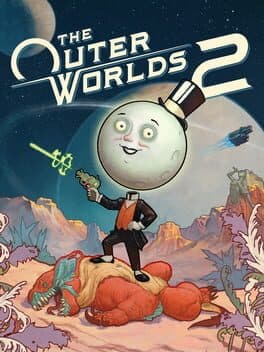
The Outer Worlds 2 game cover art

The Outer Worlds 2

Time
MODERATE
Focus
MODERATE
Challenge
MODERATE
Intensity
LOW
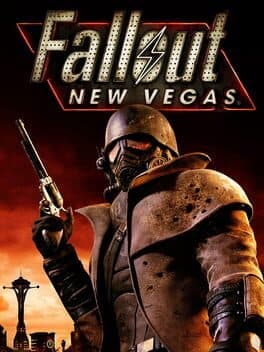
Fallout: New Vegas game cover art

Fallout: New Vegas

Time
MODERATE
Focus
MODERATE
Challenge
MODERATE
Intensity
MODERATE
Fallout 4 game cover art

Fallout 4

Time
MODERATE
Focus
MODERATE
Challenge
MODERATE
Intensity
MODERATE
The Elder Scrolls IV: Oblivion game cover art

The Elder Scrolls IV: Oblivion

Time
HIGH
Focus
MODERATE
Challenge
MODERATE
Intensity
LOW
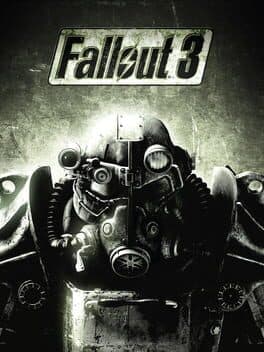
Fallout 3 game cover art

Fallout 3

Time
MODERATE
Focus
MODERATE
Challenge
MODERATE
Intensity
MODERATE
← Back to Home