hello@slated.gg
Powered by IGDB•Privacy•Terms

© 2026 Slated.gg

Slated.gg
Popular GamesAbout

Rune Factory: Guardians of Azuma

Marvelous • 2025 • PC (Microsoft Windows), PlayStation 5, Nintendo Switch, Nintendo Switch 2

Relaxing & low-pressureGreat for winding downSatisfying to complete

Is Rune Factory: Guardians of Azuma Worth It?

Yes. Rune Factory: Guardians of Azuma is worth it if you want a cozy game that still gives you swords, dungeons, and a steady sense of progress. Its best trick is how much one session can accomplish. In 60 to 90 minutes, you can harvest crops, move a village project forward, craft something useful, push the story, and maybe see a character scene too. That makes it a strong fit if you like feeling productive every time you play. Buy at full price if you already enjoy the Rune Factory mix of relationships, routine, and light action, or if Azuma's stronger setting and presentation are the big draw. Wait for a sale if you mainly want one side of the blend, especially deep farming or more demanding combat, or if you plan to play on weaker hardware where performance complaints are more common. Skip it if you dislike menu-heavy openings, daily chores, or games that ask you to bounce between several systems. For the right player, though, it looks like a warm, flexible, weeknight-friendly adventure.

Rune Factory: Guardians of Azuma cover art

Rune Factory: Guardians of Azuma

Marvelous • 2025 • PC (Microsoft Windows), PlayStation 5, Nintendo Switch, Nintendo Switch 2

Relaxing & low-pressureGreat for winding downSatisfying to complete

Is Rune Factory: Guardians of Azuma Worth It?

Yes. Rune Factory: Guardians of Azuma is worth it if you want a cozy game that still gives you swords, dungeons, and a steady sense of progress. Its best trick is how much one session can accomplish. In 60 to 90 minutes, you can harvest crops, move a village project forward, craft something useful, push the story, and maybe see a character scene too. That makes it a strong fit if you like feeling productive every time you play. Buy at full price if you already enjoy the Rune Factory mix of relationships, routine, and light action, or if Azuma's stronger setting and presentation are the big draw. Wait for a sale if you mainly want one side of the blend, especially deep farming or more demanding combat, or if you plan to play on weaker hardware where performance complaints are more common. Skip it if you dislike menu-heavy openings, daily chores, or games that ask you to bounce between several systems. For the right player, though, it looks like a warm, flexible, weeknight-friendly adventure.

What is Rune Factory: Guardians of Azuma like?

Opinions of Rune Factory: Guardians of Azuma

What Players Love

Common Concerns

Divisive Aspects

Players Love

Short sessions still move several systems forward

Players often praise how one evening can cover harvesting, quest progress, crafting, and relationship scenes, making even 60 to 90 minutes feel worthwhile.

Common Concern

Performance dips matter more on lower-powered systems

Early feedback says frame rate and overall polish can slip on weaker hardware, which makes combat and town exploration feel less smooth than intended.

Divisive

Streamlined direction splits new players and series veterans

Some enjoy the cleaner, faster hybrid loop, while others miss deeper older-style farming and management layers from past entries.

Players Love

Azuma's setting gives the game stronger personality

The eastern-inspired setting, art direction, and character presentation are repeatedly called out as a big reason this entry feels fresh instead of generic.

Common Concern

Early hours can feel busy with systems and chores

Some players say the opening throws several menus, tutorials, and daily tasks at you before the routine settles into a more comfortable rhythm.

Players Love

Village repair and bonds give the journey purpose

Many players like that dungeon runs feed directly into rebuilding towns and deepening character ties, so progress feels personal rather than just numerical.

Players Love

Short sessions still move several systems forward

Players often praise how one evening can cover harvesting, quest progress, crafting, and relationship scenes, making even 60 to 90 minutes feel worthwhile.

Players Love

Azuma's setting gives the game stronger personality

The eastern-inspired setting, art direction, and character presentation are repeatedly called out as a big reason this entry feels fresh instead of generic.

Players Love

Village repair and bonds give the journey purpose

Many players like that dungeon runs feed directly into rebuilding towns and deepening character ties, so progress feels personal rather than just numerical.

Common Concern

Performance dips matter more on lower-powered systems

Early feedback says frame rate and overall polish can slip on weaker hardware, which makes combat and town exploration feel less smooth than intended.

Common Concern

Early hours can feel busy with systems and chores

Some players say the opening throws several menus, tutorials, and daily tasks at you before the routine settles into a more comfortable rhythm.

Divisive

Streamlined direction splits new players and series veterans

Some enjoy the cleaner, faster hybrid loop, while others miss deeper older-style farming and management layers from past entries.

What does Rune Factory: Guardians of Azuma demand from you?

Time

MODERATE

Time

Built for 60 to 90 minute sessions with great pause and save support, but a satisfying full run still asks for several weeks of steady play.

MODERATE

This game is flexible night to night, even though the full journey is still sizable. A satisfying run looks like roughly 35 to 45 hours for the main story plus meaningful village repair and relationship progress, with much more available if you love polishing every system. The good news is that the structure works well in pieces. Daily chores, short material hunts, character events, and one dungeon push create natural stopping points, so a 60 to 90 minute session can feel complete instead of cut off. Full pause and save-anywhere support make it unusually friendly when real life interrupts. You are never managing other players, raid times, or online obligations, which lowers the scheduling burden a lot. The one catch is return friction after a week or two away. You may need a few minutes to remember which village project, crop cycle, weapon upgrade, and relationship goal mattered most. Even so, the game usually gives enough guidance that you can get back on track without restarting.

Tips

  • Great for 60-90 minutes
  • Save anywhere helps
  • Week-away returns need recap

Focus

MODERATE

Focus

Most nights mix relaxed chores with light action, so you can settle in comfortably but still need real attention once a dungeon run or boss starts.

MODERATE

Most nights ask for steady attention, not laser-beam concentration. You will usually start with low-stress chores like harvesting, crafting, checking requests, and talking to villagers, then shift into a combat outing where enemy tells and positioning matter more. That means the game asks you to switch gears inside one session rather than stay in one mode the whole time. The thinking is more about light planning than split-second execution: deciding what deserves tonight's stamina, which materials to chase, whether to push farther into a blighted area, and when to head home to convert drops into upgrades. The cozy half of the loop is fairly forgiving if your attention drifts for a moment, but dungeon runs and bosses are not great background-TV play. In return for that moderate attention, the game delivers a satisfying sense that one night moved several parts of your world forward at once. It feels pleasantly busy, not mentally crushing.

Tips

  • Chores first, combat second
  • Menus matter more than reflexes
  • Bosses demand full attention

Challenge

MODERATE

Challenge

Easy to start, slower to fully juggle farming, crafting, village repair, and relationships in one smooth routine that feels natural night after night.

MODERATE

This is not a brutal game, but it is a layered one. Hitting things with a weapon, planting crops, and following the main path should feel understandable fairly quickly. The trick is learning how the different parts support each other: when to upgrade gear, what materials to keep, how village repair feeds your progress, and how much time to spend on relationships versus story pushing. The opening hours are likely the busiest because new systems arrive in waves, and that can make the game feel more complicated than it really is. Once the loop clicks, most of the friction comes from organization and routine building, not from impossible fights or hidden rules. The nice trade is that it gives you room to grow without punishing you hard for early mistakes. You can play imperfectly and still move forward. If you enjoy gradually becoming more efficient over several evenings, the learning curve feels rewarding. If you want instant simplicity, the front-loaded menu and tutorial load may feel heavy.

Tips

  • Early systems feel crowded
  • Routine clicks after hours
  • Optimization stays optional

Intensity

LOW

Intensity

Mostly cozy and low-pressure, with short boss spikes that add excitement without turning the whole game into a draining stress machine.

LOW

The emotional ride is mostly calm, hopeful, and gently motivating. Even when the story talks about restoring damaged land, the moment-to-moment feel is far closer to cozy routine than survival pressure. Combat adds brief spikes, especially during bosses or if you wander into a tougher area with weak gear, but those moments seem designed to wake you up rather than wear you down. Mistakes usually cost a small chunk of time, a retry, or a reminder to upgrade, not a night-ending disaster. That matters because the game asks you to keep a lot of plates spinning, and a harsher tone would make the whole loop exhausting. Instead, it delivers tension in short bursts and relief almost immediately afterward when you return to town, harvest crops, or trigger a character scene. This is a good fit for nights when you want a sense of adventure without the drained feeling that harder action games or horror games often leave behind.

Tips

  • Mostly cozy, brief spikes
  • Upgrade before tougher pushes
  • Failure costs little progress

Frequently Asked Questions

You Might Also Like

Games with a similar rhythm and feel, even if they look different

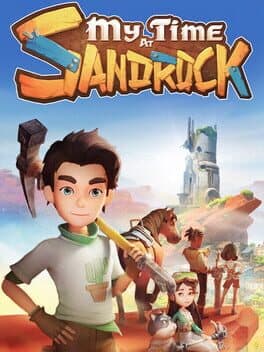
My Time at Sandrock game cover art
Relaxing & low-pressureGreat for winding down

My Time at Sandrock

Time
HIGH
Focus
MODERATE
Challenge
MODERATE
Intensity
VERY LOW
Hogwarts Legacy game cover art

Hogwarts Legacy

Time
MODERATE
Focus
MODERATE
Challenge
MODERATE
Intensity
MODERATE
Dragon Quest Builders 2 game cover art
Relaxing & low-pressureGreat for winding down

Dragon Quest Builders 2

Time
MODERATE
Focus
MODERATE
Challenge
MODERATE
Intensity
LOW
Pokémon Legends: Arceus game cover art
Satisfying to completeLighthearted & fun

Pokémon Legends: Arceus

Time
MODERATE
Focus
MODERATE
Challenge
MODERATE
Intensity
LOW
Spiritfarer game cover art
Relaxing & low-pressureSatisfying to complete

Spiritfarer

Time
MODERATE
Focus
LOW
Challenge
LOW
Intensity
VERY LOW
Starfield game cover art
Relaxing & low-pressureGreat for winding down

Starfield

Time
MODERATE
Focus
MODERATE
Challenge
MODERATE
Intensity
LOW
← Back to Home