Bethesda Softworks • 2012 • PC (Microsoft Windows), PlayStation 3, Xbox 360
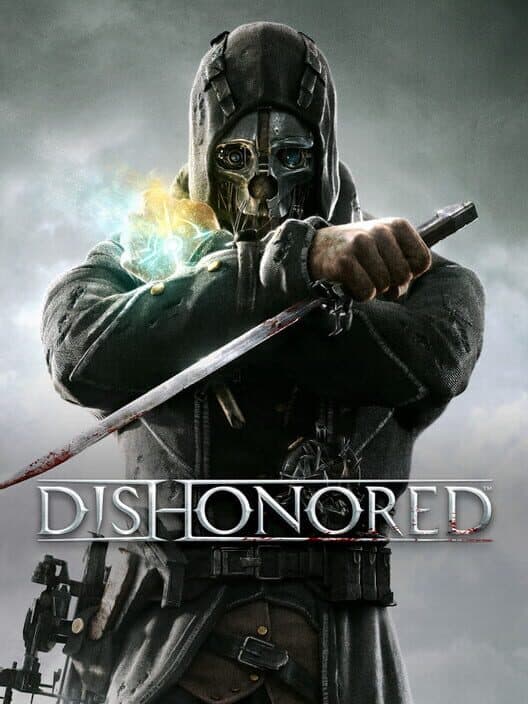
Yes, Dishonored is still worth it if you love sneaking through hostile spaces, finding clever routes, and solving problems with powers instead of brute force. Its best quality is how each mission feels like a small sandbox: you can slip across rooftops, possess a rat, choke out guards, or turn a bad plan into a stylish recovery. That freedom, plus Dunwall’s grim art direction, gives the game a personality that still stands out. What it asks from you is patience and attention. This is not a lean-back story ride, and the story itself is more solid than amazing. Some AI behavior also feels a little old now, especially if you notice odd stealth detection. But the game is friendly to a busy schedule because you can pause anytime, save almost anywhere, and finish the main campaign in a reasonable 10 to 15 hours. Buy at full price if a replayable stealth sandbox sounds exciting. Wait for a sale if you mainly want a strong story. Skip it if dated stealth systems or a grim tone are instant deal-breakers.

Bethesda Softworks • 2012 • PC (Microsoft Windows), PlayStation 3, Xbox 360
Yes, Dishonored is still worth it if you love sneaking through hostile spaces, finding clever routes, and solving problems with powers instead of brute force. Its best quality is how each mission feels like a small sandbox: you can slip across rooftops, possess a rat, choke out guards, or turn a bad plan into a stylish recovery. That freedom, plus Dunwall’s grim art direction, gives the game a personality that still stands out. What it asks from you is patience and attention. This is not a lean-back story ride, and the story itself is more solid than amazing. Some AI behavior also feels a little old now, especially if you notice odd stealth detection. But the game is friendly to a busy schedule because you can pause anytime, save almost anywhere, and finish the main campaign in a reasonable 10 to 15 hours. Buy at full price if a replayable stealth sandbox sounds exciting. Wait for a sale if you mainly want a strong story. Skip it if dated stealth systems or a grim tone are instant deal-breakers.
Players consistently praise how each mission supports multiple routes, tools, and solutions, letting you sneak, improvise, or strike hard without feeling forced into one style.
A common complaint is that enemy awareness can jump too fast or act oddly, especially during stealth-to-combat transitions. It rarely ruins the game, but it shows its age.
Some players love that lethal choices reshape the world and ending tone. Others feel it nudges them away from using the game’s most exciting combat tools.
The plague-ridden streets, whale-oil tech, and painterly visuals make the world feel distinct. Even players lukewarm on the story often remember the setting vividly.
Players often like the setup and mission framing, yet find some characters and later emotional beats less memorable than the places you explore and the ways you play.
Blink, Dark Vision, Possession, and gadgets turn basic sneaking into playful experimentation. Many players say the toolkit is what keeps repeat runs fresh.
Players consistently praise how each mission supports multiple routes, tools, and solutions, letting you sneak, improvise, or strike hard without feeling forced into one style.
The plague-ridden streets, whale-oil tech, and painterly visuals make the world feel distinct. Even players lukewarm on the story often remember the setting vividly.
Blink, Dark Vision, Possession, and gadgets turn basic sneaking into playful experimentation. Many players say the toolkit is what keeps repeat runs fresh.
A common complaint is that enemy awareness can jump too fast or act oddly, especially during stealth-to-combat transitions. It rarely ruins the game, but it shows its age.
Players often like the setup and mission framing, yet find some characters and later emotional beats less memorable than the places you explore and the ways you play.
Some players love that lethal choices reshape the world and ending tone. Others feel it nudges them away from using the game’s most exciting combat tools.
A full run is manageable over a few weeks, and mission-based structure plus save-anywhere support make it unusually easy to fit around real life.
Dishonored is a compact game with a generous schedule fit. A full first playthrough usually lands around 10 to 15 hours, which makes it easy to finish over a couple of weeks of normal evening play. The structure helps a lot: missions have clear starts, goals, and exits, so you often get natural stopping points. Better yet, you can save almost anywhere, which means you do not need to finish a whole mission in one sitting. The game also asks very little from your calendar outside of play. It is fully solo, fully offline, and never pushes daily tasks, social coordination, or endless upkeep. Coming back after a week takes a little refreshing because you may need to remember your current powers, bindings, and local route, but the objective log usually gets you settled quickly. Replay runs exist if you want them, yet one campaign already feels complete. That balance is the real win: it gives you deep, expressive levels without turning itself into a long-term obligation.
You spend most missions reading patrols, rooftops, and sightlines, then choosing when to sneak, blink, choke, or fight. It rewards attention far more than speed.
Dishonored asks for active, eyes-on attention, but not nonstop twitch speed. Most of a session is spent studying guard routes, sightlines, windows, rooftops, and escape options before you commit. The thinking is usually spatial and tactical: where can you Blink, who can see this body, which door opens a safer path, and how much chaos are you willing to create? That makes it a poor background game. You can pause anytime, but while you are moving through a live space, your brain stays busy. The payoff for that attention is a great feeling of ownership. Instead of solving one fixed stealth problem, you get to build your own answer from powers, gadgets, and level knowledge. Even when plans go wrong, the game often turns mistakes into improvisation rather than total failure. If you enjoy reading spaces and making small smart calls every few seconds, it feels sharp and satisfying. If you want something you can half-watch while talking or multitasking, this is not that kind of game.
It clicks within a few missions: learn guard behavior, use Blink well, and the game shifts from cautious trial and error to confident improvisation.
Dishonored is easier to learn than it first appears. The opening hours can feel a little stiff because you are still learning sightlines, patrol behavior, noise rules, power shortcuts, and when to hide bodies. Once Blink becomes second nature and you understand how guards react, the game opens up fast. Most players can reach solid competence within a few missions, even if they never master every system or challenge-run style. What the game asks for is curiosity more than raw endurance. You learn by trying routes, testing powers, and seeing how spaces connect, not by grinding levels or memorizing long combo strings. It also gives you room to fail safely. Frequent saves, clear mission goals, and strong escape tools mean mistakes usually teach you something instead of sending you far backward. Higher-level play comes from cleaner execution and more inventive solutions, not from surviving brutal punishment. That makes it approachable for first-time stealth players while still leaving plenty of depth for veterans.
The mood stays tense because plans can unravel fast, but frequent saves and strong powers stop most mistakes from feeling crushing or exhausting.
Dishonored feels tense more often than punishing. The pressure comes from being somewhere you should not be, knowing a missed step can trigger alarms, sword fights, or a messier outcome than you planned. That creates steady suspense, especially on first visits to a mission, but it rarely becomes overwhelming. This is not a horror game, and on normal difficulty it is not built to crush you with repeated failure. What keeps the experience comfortable is control. You can save almost anywhere, pause fully, scout from rooftops, and retreat when a room looks too risky. That turns a lot of bad stress into good stress: the fun kind where you feel alert, creative, and slightly nervous in the best way. The grim plague-ridden world adds weight, but the strong powers also make you feel capable. If you chase perfect stealth or a fully nonlethal run, the pressure rises a lot. If you play more flexibly, the game stays suspenseful without becoming draining.
Games with a similar rhythm and feel, even if they look different