Bethesda Softworks • 2016 • PlayStation 4, PC (Microsoft Windows), Xbox One
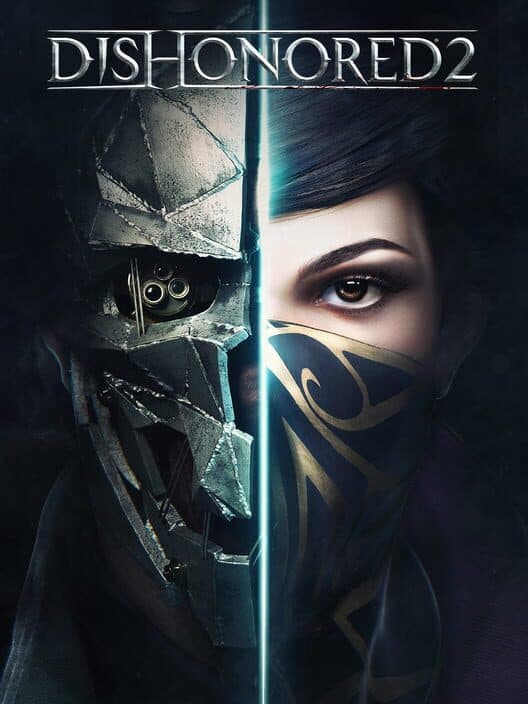
Yes, Dishonored 2 is worth it if you enjoy sneaking through intricate spaces and solving problems your own way. Its real magic is not the story alone. It is the feeling of studying a mansion, street, or clockwork stronghold, then slipping through by rooftop, possession, swordplay, or a trick you invented on the spot. For people who love stealth sandboxes, it is easy to recommend at full price. If you mostly want a strong plot, nonstop action, or the safest possible PC performance on older hardware, wait for a sale. Skip it if you dislike violence, hate reloading after small mistakes, or want something you can half-watch while distracted. What it asks from you is patient attention and a willingness to experiment. What it gives back is superb level design, strong player freedom, and a campaign that feels complete in one run while still leaving room for a great second pass.

Bethesda Softworks • 2016 • PlayStation 4, PC (Microsoft Windows), Xbox One
Yes, Dishonored 2 is worth it if you enjoy sneaking through intricate spaces and solving problems your own way. Its real magic is not the story alone. It is the feeling of studying a mansion, street, or clockwork stronghold, then slipping through by rooftop, possession, swordplay, or a trick you invented on the spot. For people who love stealth sandboxes, it is easy to recommend at full price. If you mostly want a strong plot, nonstop action, or the safest possible PC performance on older hardware, wait for a sale. Skip it if you dislike violence, hate reloading after small mistakes, or want something you can half-watch while distracted. What it asks from you is patient attention and a willingness to experiment. What it gives back is superb level design, strong player freedom, and a campaign that feels complete in one run while still leaving room for a great second pass.
Players love how each area packs rooftops, apartments, windows, and hidden entries into compact spaces, making exploration feel smart and constantly rewarding.
Even though the game improved over time, many discussions still mention frame rate issues, stutter, or rough mouse feel when talking about the PC version.
Some players enjoy the moral weight of lethal choices, while others feel the cleanest systems and outcomes gently push them toward restraint.
Reviews often praise how stealth, swordplay, gadgets, movement powers, and non-lethal options can be mixed freely, so missions feel authored by you.
Players often find the plot serviceable and the villains less memorable than the spaces themselves, with world detail doing more of the heavy lifting.
A few standout levels are repeatedly cited as career-best work, using shifting layouts and bold ideas that make them memorable years after release.
Players love how each area packs rooftops, apartments, windows, and hidden entries into compact spaces, making exploration feel smart and constantly rewarding.
Reviews often praise how stealth, swordplay, gadgets, movement powers, and non-lethal options can be mixed freely, so missions feel authored by you.
A few standout levels are repeatedly cited as career-best work, using shifting layouts and bold ideas that make them memorable years after release.
Even though the game improved over time, many discussions still mention frame rate issues, stutter, or rough mouse feel when talking about the PC version.
Players often find the plot serviceable and the villains less memorable than the spaces themselves, with world detail doing more of the heavy lifting.
Some players enjoy the moral weight of lethal choices, while others feel the cleanest systems and outcomes gently push them toward restraint.
A full run asks for a couple of weeks of regular play, but mission breaks and generous saving make it unusually easy to fit around life.
Dishonored 2 asks for a solid but reasonable campaign-sized commitment, then gives you a full, satisfying experience without asking for months of upkeep. One playthrough with either Emily or Corvo is enough to feel like you truly saw what makes the game special. For most players, that means roughly 12 to 18 hours if you move with purpose, or closer to 18 to 25 if you explore carefully and reload often. The schedule fit is excellent. Missions are large, but they are clearly divided, and the game lets you pause fully and save manually almost anywhere. That means you can make progress in shorter bursts, even if the levels feel best when you have an hour or more to settle in. There are no online chores, no social obligations, and no live-service pressure. The only real catch is coming back after a long break, since you may need a few minutes to remember your tools and the current layout. Even so, it is far easier to manage than most sprawling worlds.
Most of the work is reading spaces, patrols, and escape options before you move, then staying alert when a quiet plan suddenly falls apart.
Dishonored 2 asks for patient attention and steady observation, then pays that back with the pleasure of feeling clever inside beautifully built spaces. Most of your time is spent reading patrol paths, windows, rooftops, doors, line of sight, and escape routes before you commit to a move. That makes it more thoughtful than twitchy. You do not need lightning reflexes most of the time, but you do need to stay mentally present. This is not a podcast game when you are actively sneaking through a mansion or checkpoint. The good news is that the game often lets you create your own breathing room. A hidden ledge, a locked room, or a rooftop perch gives you time to stop, scan, and make a plan. Choices come constantly, but they are readable choices, not chaos for its own sake. If you enjoy noticing details and turning a space into your own route, the attention it asks for feels rewarding rather than draining.
You can understand the basics in a few hours, but the real fun comes from slowly learning how powers, tools, and level layouts combine.
Dishonored 2 asks you to learn a language of spaces, powers, and small systems, then rewards you by making each new mission feel more readable and more playful. Getting started is not too hard. Within a few hours, most players understand the basic rhythm: scout first, pick an entry point, keep an eye on patrols, and use powers or gadgets to stay in control. The harder part is not understanding the rules. It is learning how flexible those rules really are. A room that first looks locked down often has three other entrances. A power that seems built for movement might solve a stealth problem instead. That growing sense of possibility is where the real satisfaction lives. The game is also kinder than its reputation because saving is so generous. You can test an idea, fail quickly, and try again without losing much time. It is approachable for first-timers, but it still has enough depth to support a much sharper second run once the layouts and systems start clicking.
Tension comes in waves: calm scouting, sudden panic when spotted, then relief when a reload or escape lets you reset the situation.
Dishonored 2 asks for alertness more than raw nerves, and it pays that back with tense, satisfying escapes instead of constant punishment. The mood usually moves in waves. You spend a stretch quietly scouting, then one mistake can send the whole scene into a burst of panic as guards shout, blades come out, and your clean plan suddenly becomes messy. That sounds harsher than it feels because the game gives you several safety valves. You can hide, use a power to reset the situation, or reload a recent save if you want a cleaner result. So the pressure is real, but it rarely becomes overwhelming. The darker part comes from the tone: assassination, blood, strange occult details, and a generally grim world. It is not horror, but it is serious and sometimes creepy. This lands in a sweet spot for many players: enough danger to stay exciting, not so much that a weeknight session becomes exhausting.
Games with a similar rhythm and feel, even if they look different